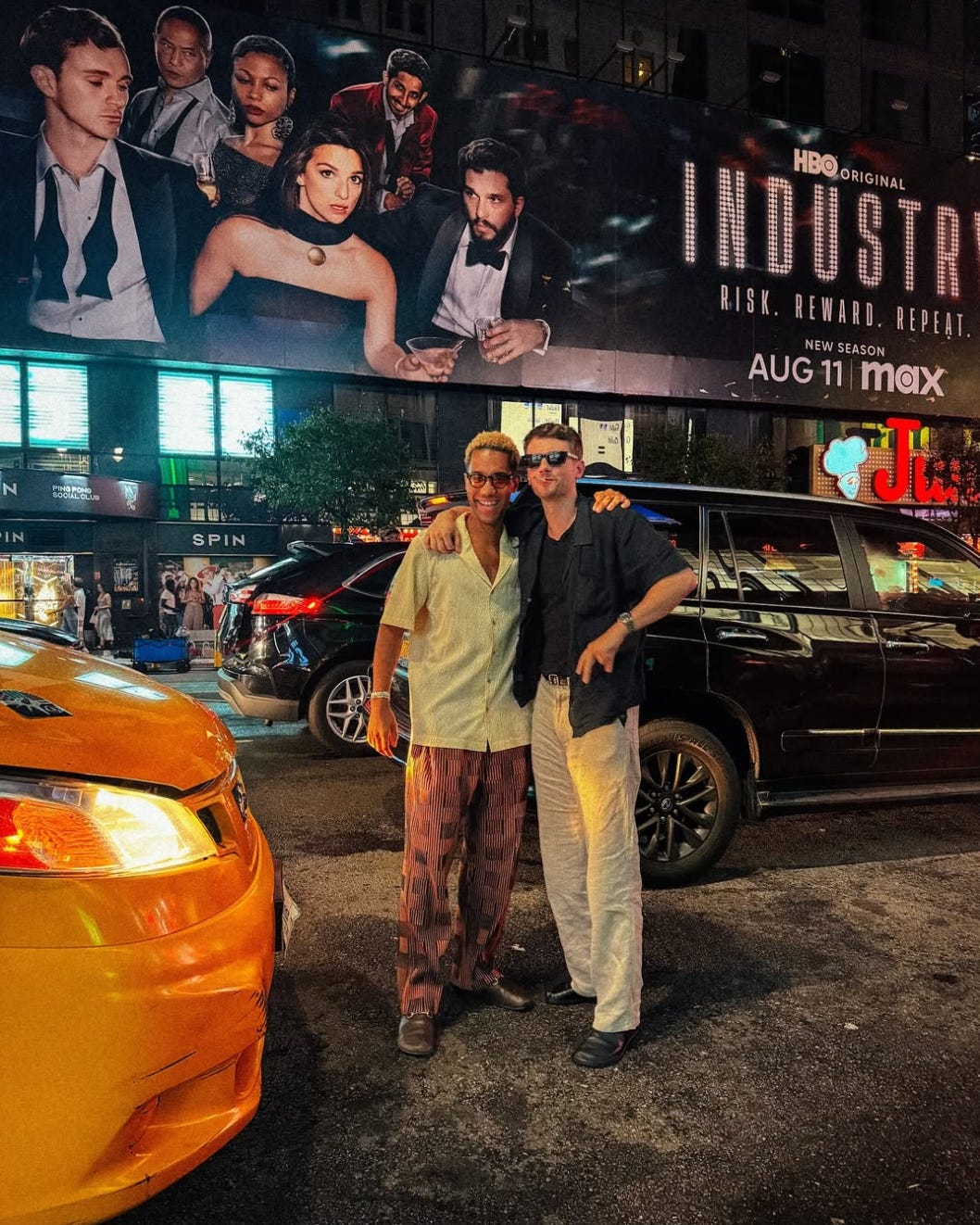
From January 11th - March 1st, I was locked in every Sunday at 9 p.m., and not for the slow-drip NFL games. I was tuned into the best show on TV: Industry.
The series runs the full financial-spectrum gauntlet: fresh grads clawing for permanent roles at the fictional bank Pierpoint, a buzzy green tech company racing toward an IPO, and a fintech startup that begins as a payment processor for adult content before pivoting into a full-blown fraudulent banking app.
It’s full of ambition, ego, and bad decisions in very expensive suits.
I’ve been an early adopter since it first aired on Monday nights back in 2020, which makes its well-received flowers feel especially satisfying.
From Lena Dunham executive producing and directing the pilot to the show pulling in just ~70,000 viewers early on (one of HBO’s lowest-rated debuts), the “best show on TV” label wasn’t handed out overnight—it was earned the hard way.
“Screenwriting, especially, is not like long-form writing,” says co-creator Konrad Kay. “I love novels and all that, and my favourite novels, like my favourite film and TV shows, are ultimately about voice, but on TV the demand to hold attention is much faster and more unsparing.”
And that he and co-creator Mickey Down have absolutely done.
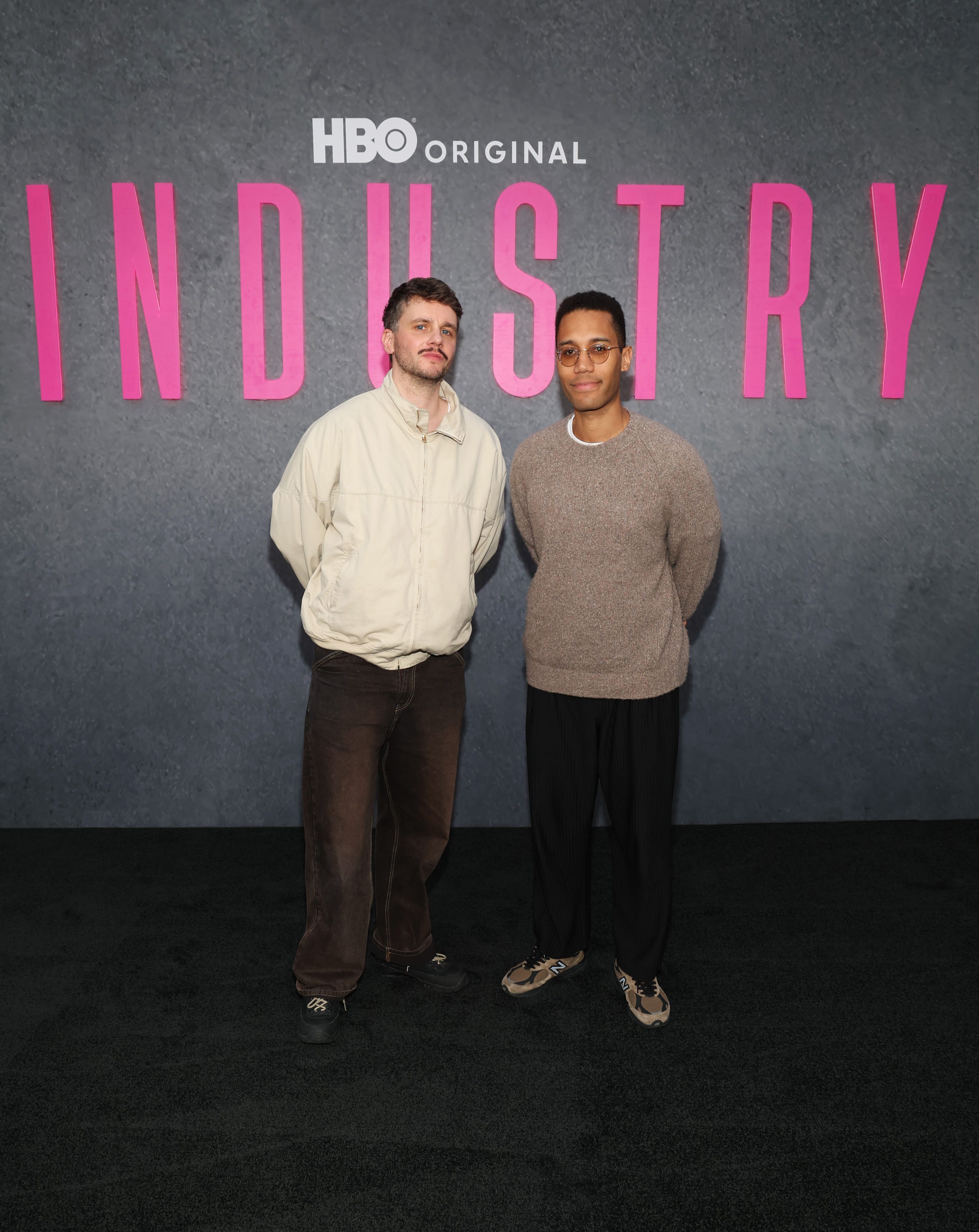
Whether it’s the “oh shit” moment of a character launching themselves off a building to evade police or the chaos of Stern-Tao, or where you’re bracing for whatever deeply unhinged scenario Whitney Halberstram is about to rope Sir Henry Muck into—the show never really lets you exhale.
The writing and character development are razor-sharp. As Kay puts it: “It won’t be for everyone.” There’s no middle ground. No polite “it’s pretty good.” It’s more like, I hate that shit, or I love that shit. And honestly, that’s the point.
Beyond the acting, there’s the soundtrack—frenetic, moody, and somehow always exactly right, blending British synth-pop with artists like Jimmy Whoo, Beach House, and Okay Kaya.
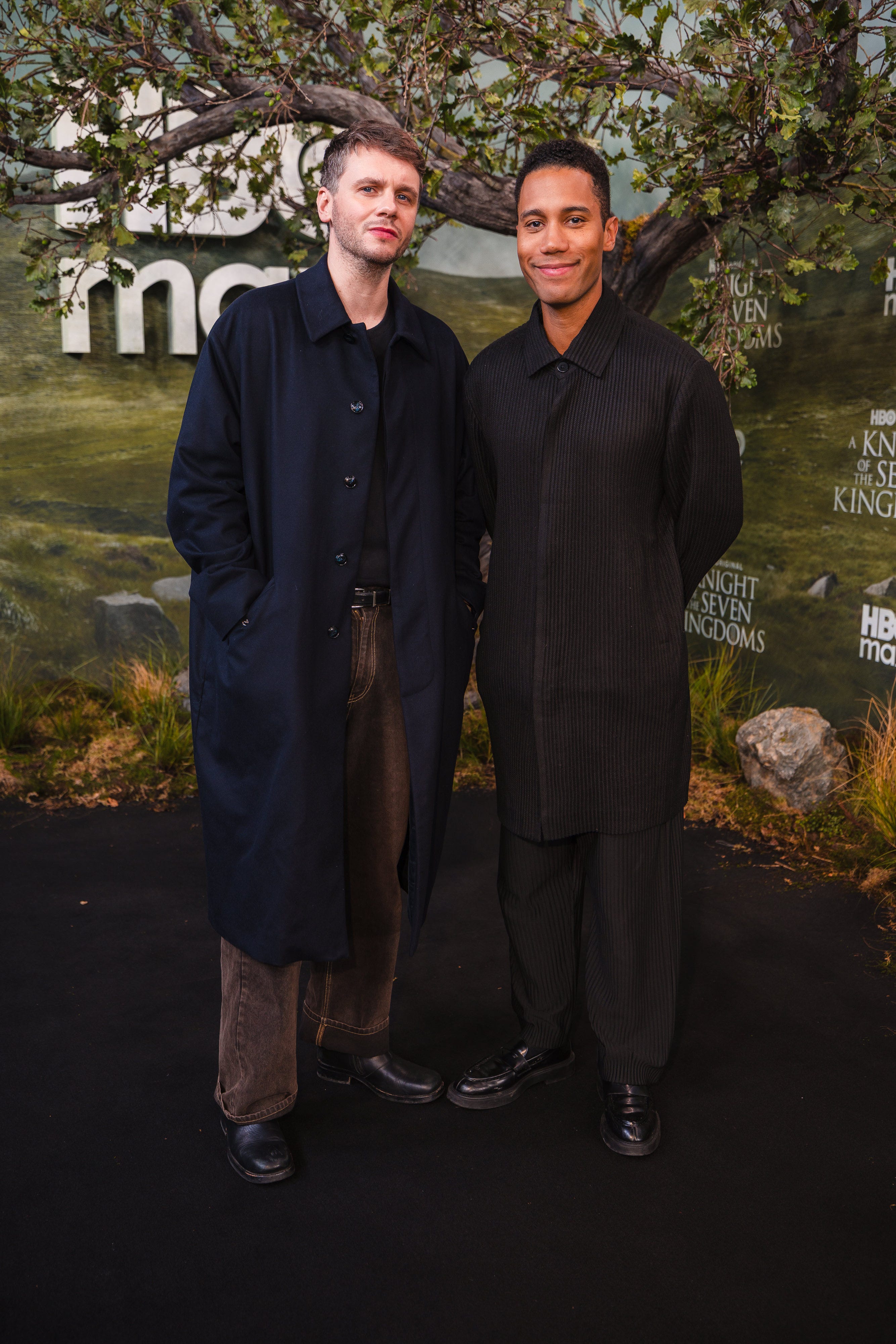
And Kay is also a low-key menswear guy—often wearing vintage Ralph Lauren on set and stepping out in Giorgio Armani for press.
He’s currently co-writing the show’s fifth and final season, which shoots in August. Kay was kind enough to chat with us about HBO serving as his unofficial film school, his real-life experience in banking, and what he’s planning on copping for the series wrap gift.
When the show first started, it felt like one of TV’s best-kept secrets. Now it’s regularly called “the best show on TV.” What’s it been like watching that shift happen in real time?
It’s been fun, man. I mean, I think one of the best-kept-secret aspects of it was that it was a UK-accented show. We made it in Cardiff, and it aired on Monday nights on HBO. There was a marketing push, but it wasn’t a big one.
The real shift happened in season three, when we moved to Sunday nights at nine. Because it became a Sunday-night show, HBO’s marketing arm really put more muscle behind it. And, obviously, we brought in Kit Harington, who was already a TV star, along wi
th Max Minghella.
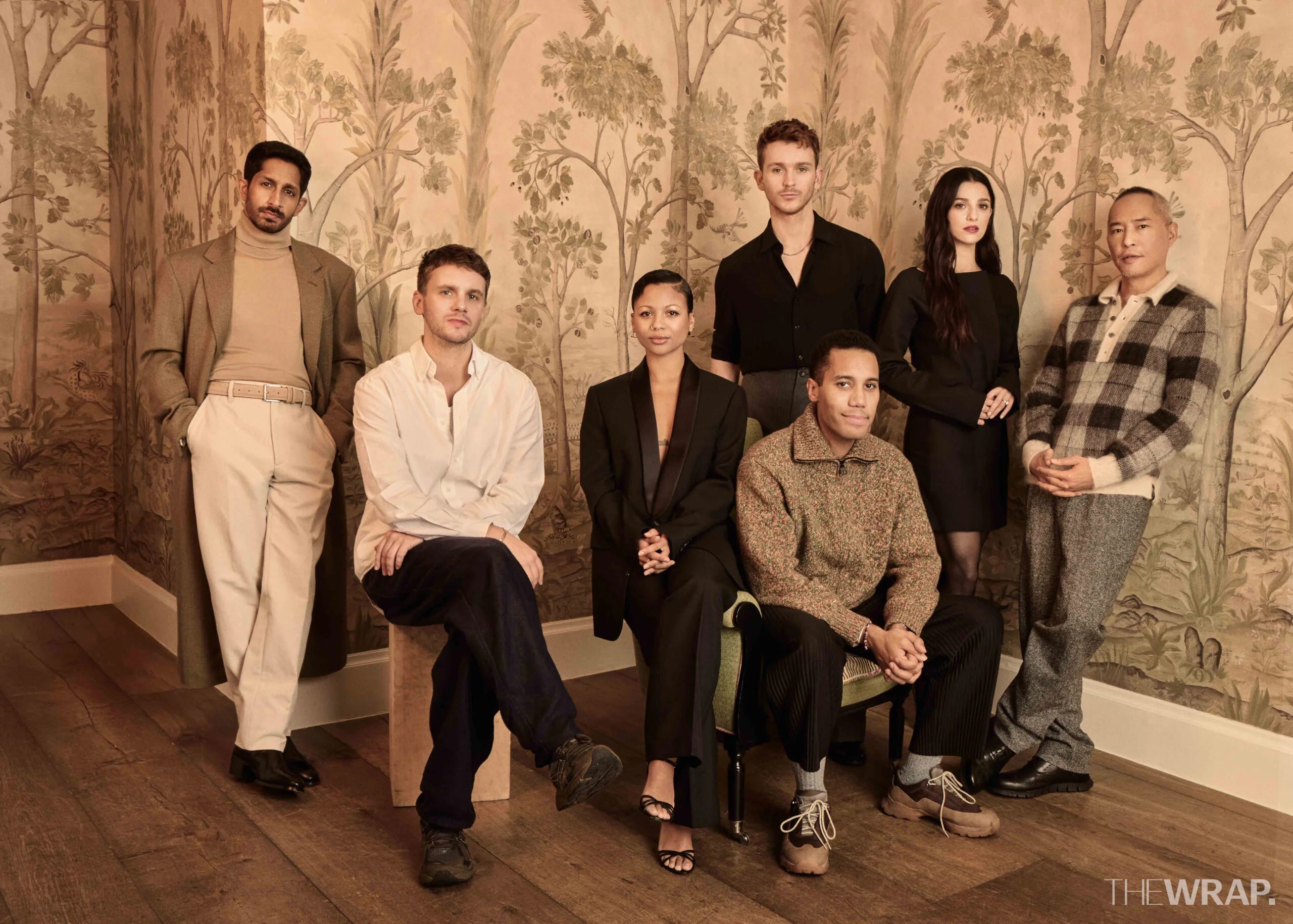
When the show started, we had no famous people behind the camera or in front of it. It was a tough sell—super jargon-heavy, very British-accented, really just mine and Mickey’s voice, with a huge amount of slang. To us, that felt like good writing—a well-realized ecosystem with a strong sense of voice, even if that voice was a bit daunting for audiences.
Over time, though, all of those elements evolved. And I think we just got better at writing the show. We were so green when we started. The great thing about TV is that it’s iterative—you can be diagnostic from season to season, figuring out what works and what doesn’t.
It’s almost like DJing: you recalibrate the levels between seasons. You might push emotionality one season, or lean into plot another—like we did in season four. Now, in season five, we can look back and ask: across these four seasons, what’s the best version of this show? What’s the through-line that represents it at its strongest?
People talk about the show in really flattering ways, saying it’s one of the best of the past few years, which is amazing. But Mickey and I came up during a golden age of TV, when shows like The Sopranos and Mad Men completely dominated the culture. Everything existed in their shadow.
Our show isn’t like that. It’s messy. It’s imperfect. Those shows feel almost flawless, even with the occasional lull—they’re incredibly close to perfect works of television.
Ours is more like a high-tone experiment in form and creativity that got to mature into a five-season HBO Sunday night event.
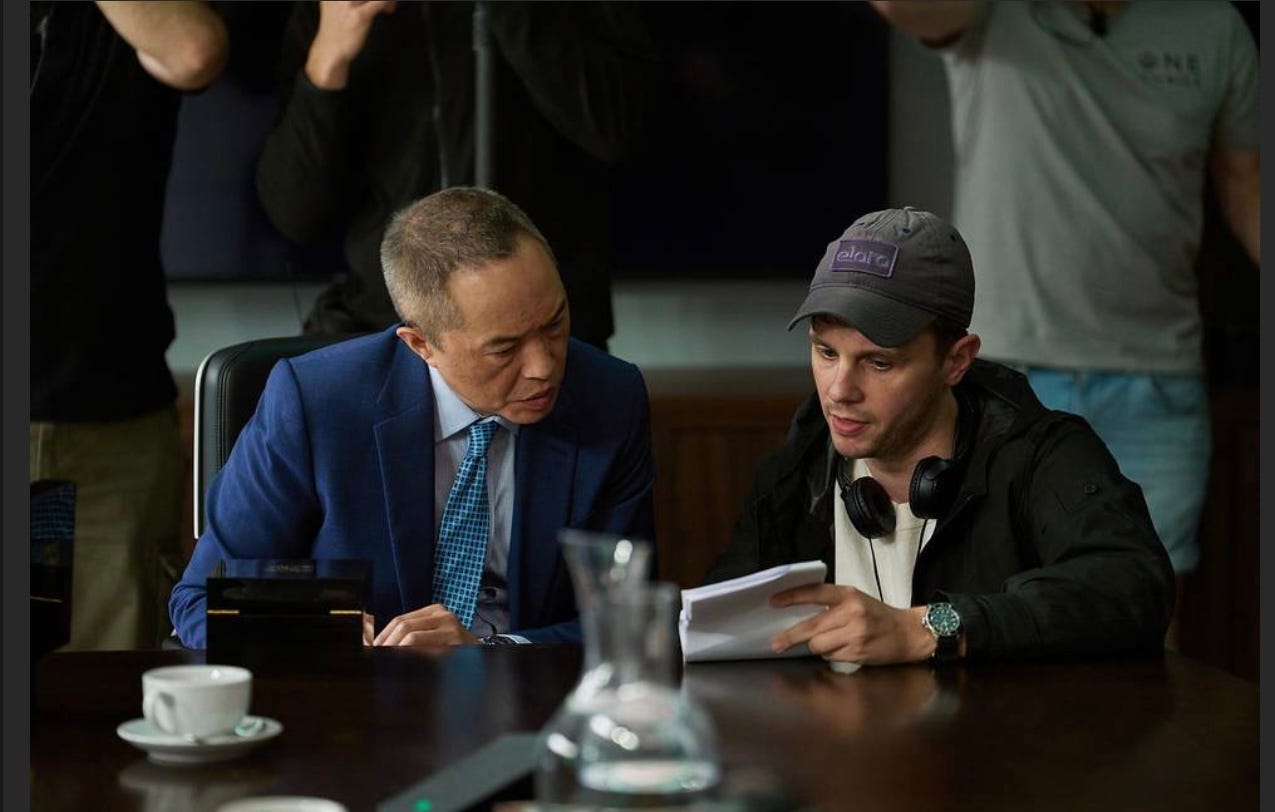
Before television, you spent some time working in investment banking after university. What exactly was your role, and what’s the wildest thing you saw during that time that later made its way into the show?
So I basically sold U.S. equities to Dutch pension funds and hedge funds. I worked at Morgan Stanley. When they published a note on, say, Apple stock, I’d call my Dutch clients and say, “We’ve just put this out on Apple. We’ve upgraded it to a buy. I know you have it in your portfolio—I think you should be buying more.”
That was literally my job.
But I didn’t really do it much, because I was scared of picking up the phone. So I just… didn’t.
In terms of the autobiographical elements of the show, season one is probably the closest to mine and Mickey’s lived experience—being graduates, coming into work hungover.
You know, everyone knows what that’s like: doing too many drugs, enjoying being young, abusing your body because it can take it.
As the seasons went on, it obviously became less autobiographical. But the DNA of a lot of the characters is still drawn from composites of people we’ve met or are friends of ours. It’s a pretty closely observed show, especially in terms of London subcultures and different types of people.
So, Rob from the show wouldn’t get on the phone. What was your real-life experience that kind of tied into his character?
With Rob, it’s tricky, because both Mickey and I are baked into these characters. I’d actually say Yasmin and Harper are a real mishmash of our personalities. It’s not a perfect analogy for our relationship; it’s not that toxic, but there’s a lot of us in them.
As for me personally, the closest comp is probably somewhere between Greg and Rob. Greg was writing his screenplays at work, and getting called out for it; that was me. Rob being scared to pick up the phone, that was me too. And that general, vertiginous terror of going into work, not really knowing your place, having a bit of an identity crisis, that was all me as well.
This most recent season opened with some literal bangs. What were the early conversations like around the strap-on scene in episode one?
They’re always pushing us in that direction. Which is great—they’re very supportive of our vision. Now that we’re five seasons in, there’s a level of trust. They give amazing notes and stay incredibly engaged, but it’s usually framed as: if you want to do this, walk us through the thinking.
Once they understand it, they’re on board. Or they might say, maybe push it 20% more this way or that way. And honestly, they’re often right—what feels clear in your head isn’t always clear on the page.
At the end of the day, all of this is a huge act of faith. No one can see inside my head or Mickey’s, and even realizing what’s in our own mind’s eye is inherently flawed—you’re never going to fully get it there.
So trying to communicate that to executives and actors becomes an act of will: trusting that what ends up on screen is going to work. But at this point, there’s enough proof of concept with the show that they believe we know what works.
Season one, though—that’s brutal. It’s a constant existential crisis about what the fuck you’ve made. No one knows what it’s supposed to feel like. And I’ve realized so much of this is just about communicating emotion.
This season also draws some interesting real-world parallels, especially with Yasmin Kara-Hanani (Marisa Abela) and the comparisons people have made to Ghislaine Maxwell. How did you approach writing around that kind of real-life scandal?
Good question. I mean, to be honest, the Ghislaine thing was never a conscious decision. What we’d do is notice there was some analogy there. For example, the boat storyline in season three, the “Lady Yasmin”, came from wanting Yasmin’s dad to die on a boat.
That’s why there’s a Maxwell echo. It wasn’t like we were trying to tell the Ghislaine Maxwell story; it was more like, “This could be a fun Easter egg.” We’d name it “Lady Yasmin” as a nod, but that was it.
We never set out to write her as a direct parallel. She’s her own character, written by us and embodied by Marisa. There isn’t a clean, biographical one-to-one, like a Wikipedia entry.
She moves through the world because the story requires it, and because the performance shapes it. To say we were always writing her as Ghislaine Maxwell would flatten both the character and the performance.
That said, it would be disingenuous to pretend the connection never crossed our minds. Of course it did, and we made choices that might make that analogy obvious. But it’s too simple to say it’s a one-to-one retelling—because how could it be?
It gets at something more complicated. You could sit down with someone like Ghislaine Maxwell in prison, and she would probably have a compelling narrative about her own victimhood, even though she’s also an abuser. People construct stories about their lives that make sense to them.
It’s not as simple as, “I did something evil, I’m entirely to blame, lock me up.” That’s not how people experience themselves.
It’s nurture, nature, the system someone exists in, and the random events that shape a life. That’s part of the tragedy of it. But there’s still agency. You can’t absolve someone of their choices.
You can’t just say, “My past explains everything, so I get a pass.” That’s something the show wrestles with—like when characters call Yasmin out on it. You can choose how to be in the world.
Your life is the accumulation of those choices, and you can’t always point backward and say, “I was hurt, so now I get to hurt someone else.”
One thing fans always point out is the show’s soundtrack. The song choices feel incredibly specific. Why is music such an important part of storytelling for you?
It comes down to a few things. Mickey is obsessed with that side of it—honestly, more than I am. That’s really him, Ollie White (our music supervisor), and Nathan; they’re the secret sauce behind all of that.
It goes back to my earlier point: emotionality. Music is, ultimately, an emotional cue for what a scene is about.
Sometimes we’ll even think of the music before we write the scene, and it shapes how the scene plays—how much dialogue there is, or how little. It can sort of “lead the witness,” guiding how the audience experiences what they’re watching.
In season one, a lot of the success—even what helped paper over some of the cracks in the filmmaking or storytelling—came down to having a really strong composer who could energize the scenes. For me, it’s really about mood.
You and Mickey have known each other since you were 17 and have been working together on the show for about 10 years. How has your relationship and writing process evolved over that time?
I think it’s been pretty similar to the day we first started writing together. We ideate a lot. We’ll sit there with a Google Doc open and just talk our way through the scenes we need to hit.
When we break an episode, we map out what’s going to happen, then drill into each scene: what the characters actually need to say to each other, and the story points we have to land.
From there, I might write a scene, or he’ll write one, and we’ll overwrite each other’s work. Our writer’s room and its consistently diverse skew of voices and POVs has been invaluable in breaking story, while our team of consultants helps keep the show sounding authentic.
That same collaboration carries through to set, into directing, and into editing. Our process is very aligned.
Honestly, if our taste levels and our gut instincts weren’t 90–99% in sync, it would be a much trickier process. But because what he thinks is good, I usually think is good too, creative differences are pretty rare.
It’s not like he wants to be Michael Bay, and I want to be something completely different—that would probably be an issue. We just want to make good entertainment. I’m not as interested in navel-gazing, overly artistic cinema.
It has a place for me in my overall cultural diet, but it has to be entertaining.
You’re competing with people’s phones now, right? So when people sit down on a Sunday night, I want them to be blown away.
Switching gears a bit—what does your typical on-set fit look like these days? Any brands you’re particularly into at the moment?
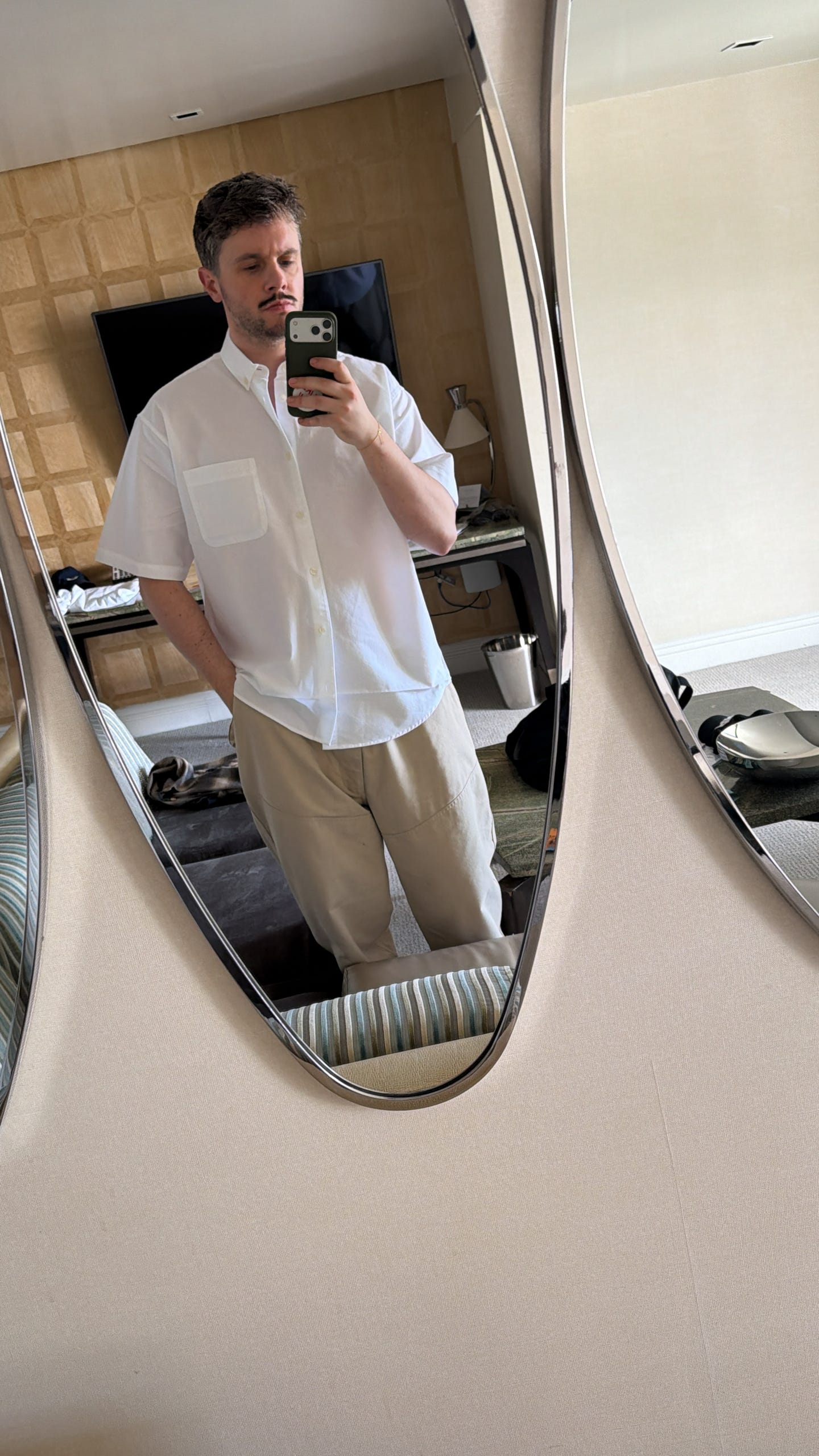
I wear pretty utilitarian clothes on set. At the moment, I’m really into vintage Ralph Lauren, especially Polo Sport stuff. I also wear a lot of Arc’teryx and other mountaineering gear on set—just really comfortable, practical pieces.
I’ve been obsessed with these shoes from a brand called Reese Cooper. They’re kind of like hiking trainers, and I wear them all the time. For comfort when I’m writing, I like Palace—their tracksuits are really nice.
Day to day, I mostly keep it pretty simple. The most represented brand in my closet is probably Our Legacy. Also, mfpen and Auralee, if I’m feeling like treating myself. I think their stuff is phenomenally good.
One of my favorite brands right now is Carter Young. Carter and Adam are fucking lovely guys. They make this thing called the Patti T-shirt, which is incredibly nice, along with really strong Western shirts. Just really excellent across the board.
And when you’re doing press, does the tailoring get dialed up, or is it more like an elevated version of your usual go-to style?
I can tell you what I wore when I was in Berlin. I wore Carter Young denim with Reese Cooper boots and Shiro socks.
I also wore Lemaire jeans, which I loved; they were green, along with a Giorgio Armani cashmere jumper and a Stone Island leather jacket.
After you got the call for your first renewal, did you treat yourself to anything? And for the upcoming final season, what are you eyeing?
I bought myself a 1988 Rolex Submariner.
I’ve been in the same flat for 13 years, so maybe I should stop buying clothes and move to a new place. That’s a decent wrap gift.