

This piece is in partnership with G.H.BASS EU.
Look, you know by now that I’ve talked at length about our collective obsession with idolizing guys like Steve McQueen, Harrison Ford, and Robert Redford.
Specifically, how we idolized their personal style for its simplicity, functionality, and lived-in feel.
And I think that fixation says less about nostalgia and more about fatigue. These days, we are overwhelmed by choice. There are more brands, more drops, more collaborations, more “limited” releases that feel anything but limited.
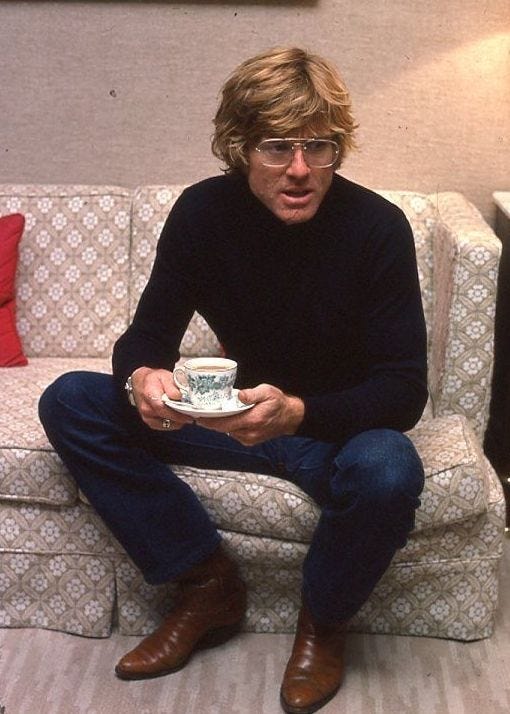
So, in moments like this, it’s natural to look to the past in search of clarity. To find products that existed before fashion became a feedback loop.
Because lord knows, when you zoom out, you’re reminded that damn near everything we wear was for utility, not as a fashion statement.
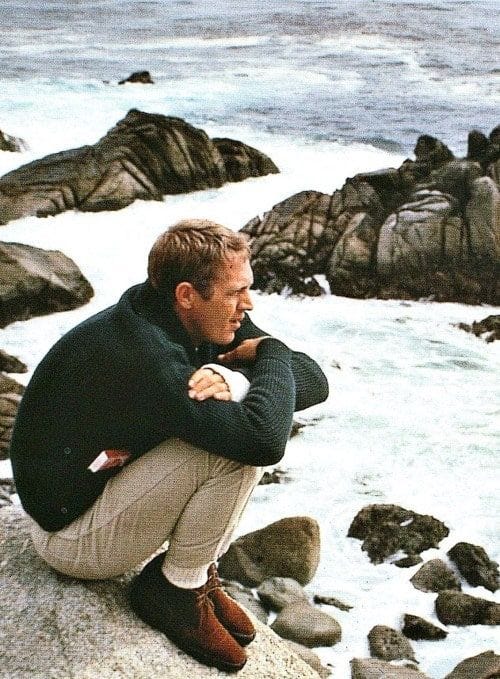
When our shoes were tools
Take a look at the footwear most people rotate through without thinking too much about it.
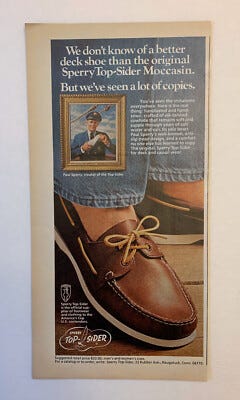
Boat shoes were designed to provide grip on wet decks.
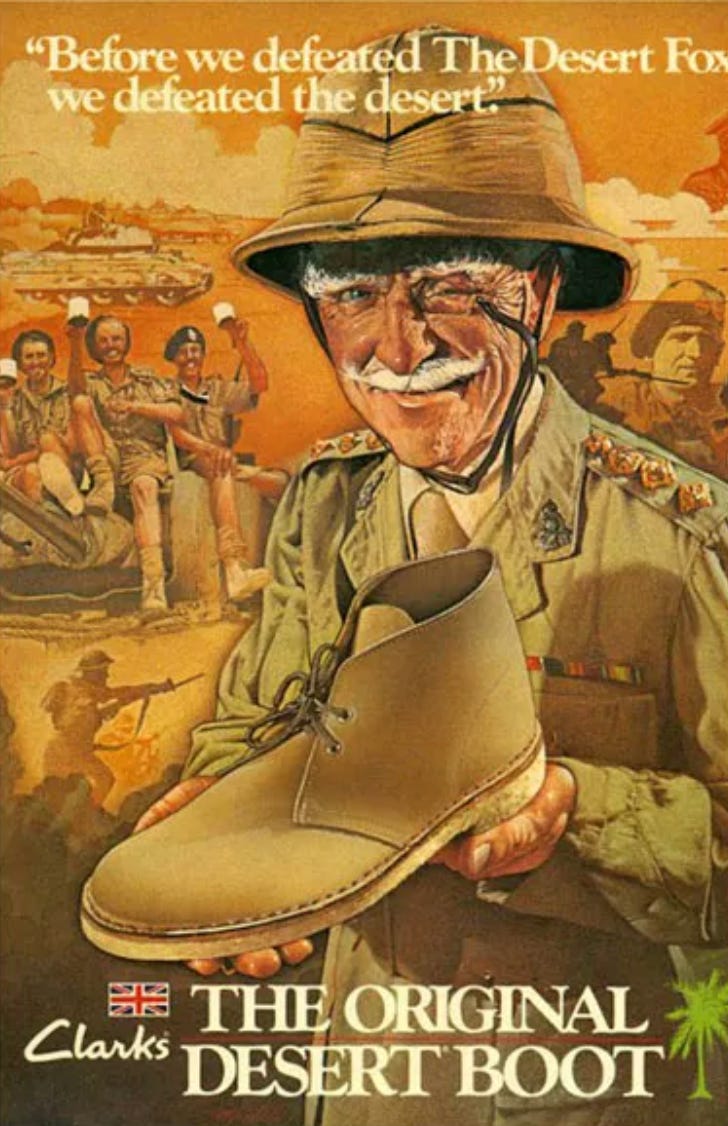
Desert boots were created for British soldiers in North Africa.
Hiking boots, engineered for long distances, uneven terrain, and endurance.
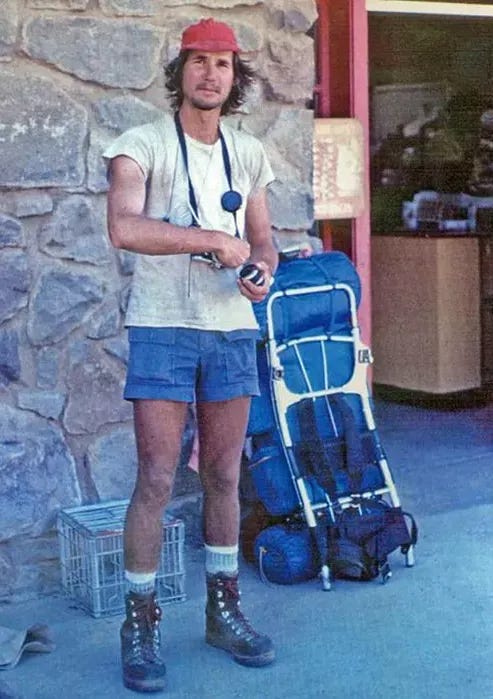
These shoes were designed to solve problems. And the style conversation came much later.
And few heritage brands understood this better than G.H.BASS.
Why G.H.BASS matters
G.H.BASS was founded in 1876 in Maine, originally making footwear for fishermen, outdoorsmen, and people who spent long days on their feet.
Long before the idea of lifestyle branding, BASS built its reputation on function. Shoes that worked in harsh conditions and held up over time.

Their most famous contribution, the Weejun loafer, came in the 1930s and was inspired by Norwegian fishermen’s slip-on shoes. It eventually became a cornerstone of Ivy style, worn by students, professors, and eventually anyone who wanted something dependable and understated.

But BASS was never just a loafer brand. At its core, it has always been about practical footwear that quietly earns its place in your life.
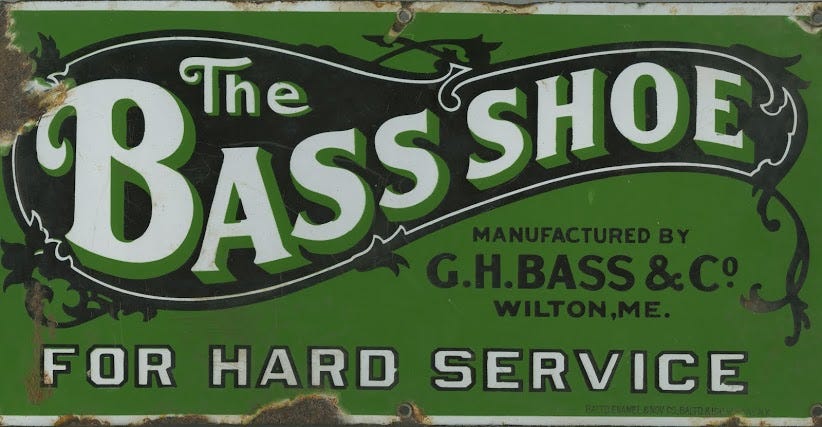
That philosophy is evident in two of their most enduring styles:
The Ranger Camp Moc and the alpine boot.
The Ranger Camp Moc
The Ranger Camp Moc is rooted in moccasin construction, one of the oldest footwear traditions in North America.
The development of the moccaisin is complicated, originating from indigenous communities that used the shoe for mobility, sensitivity to terrain, and long-term comfort. Soft leather uppers, flexible soles, minimal structure. They allowed the wearer to feel the ground without being punished by it.
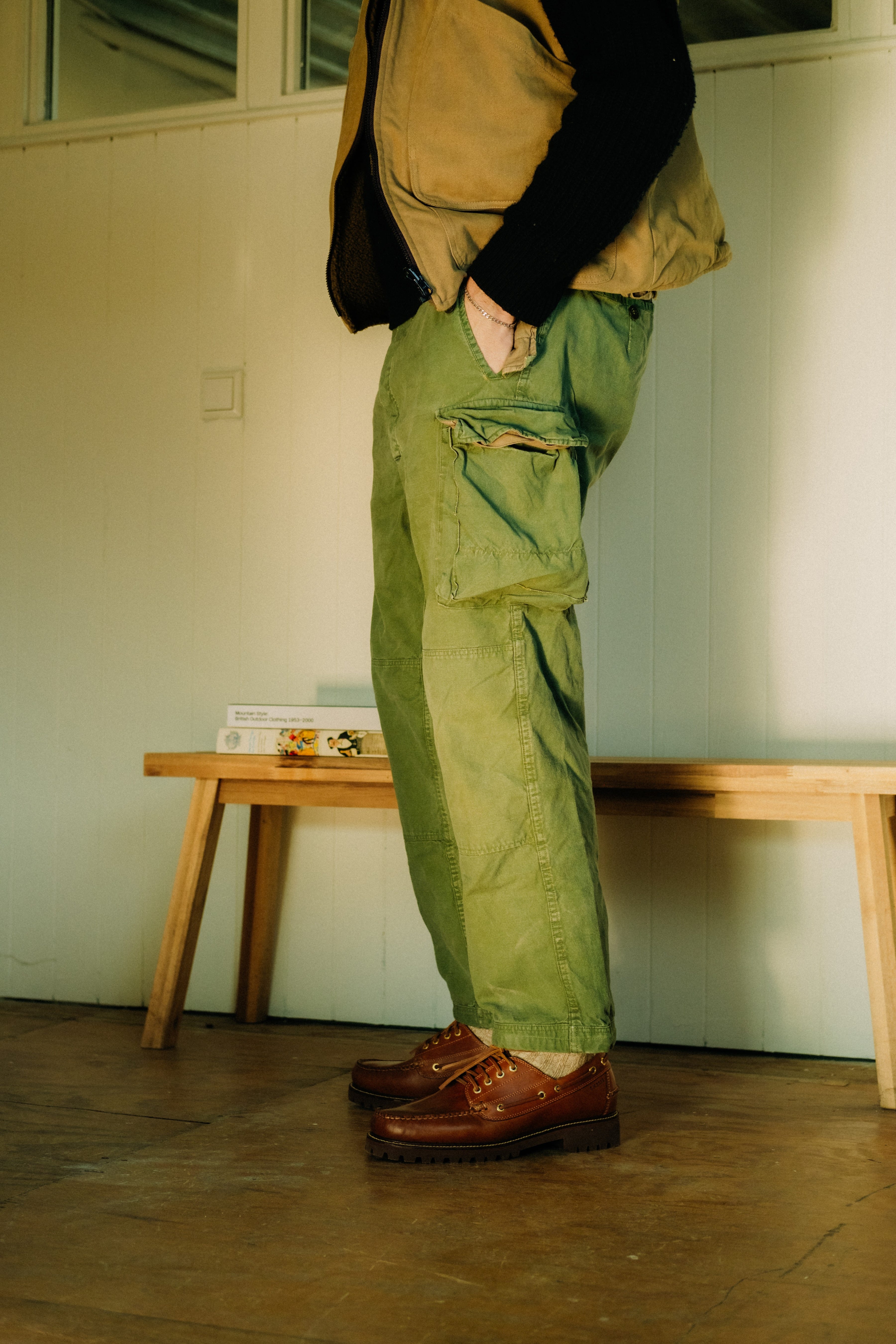
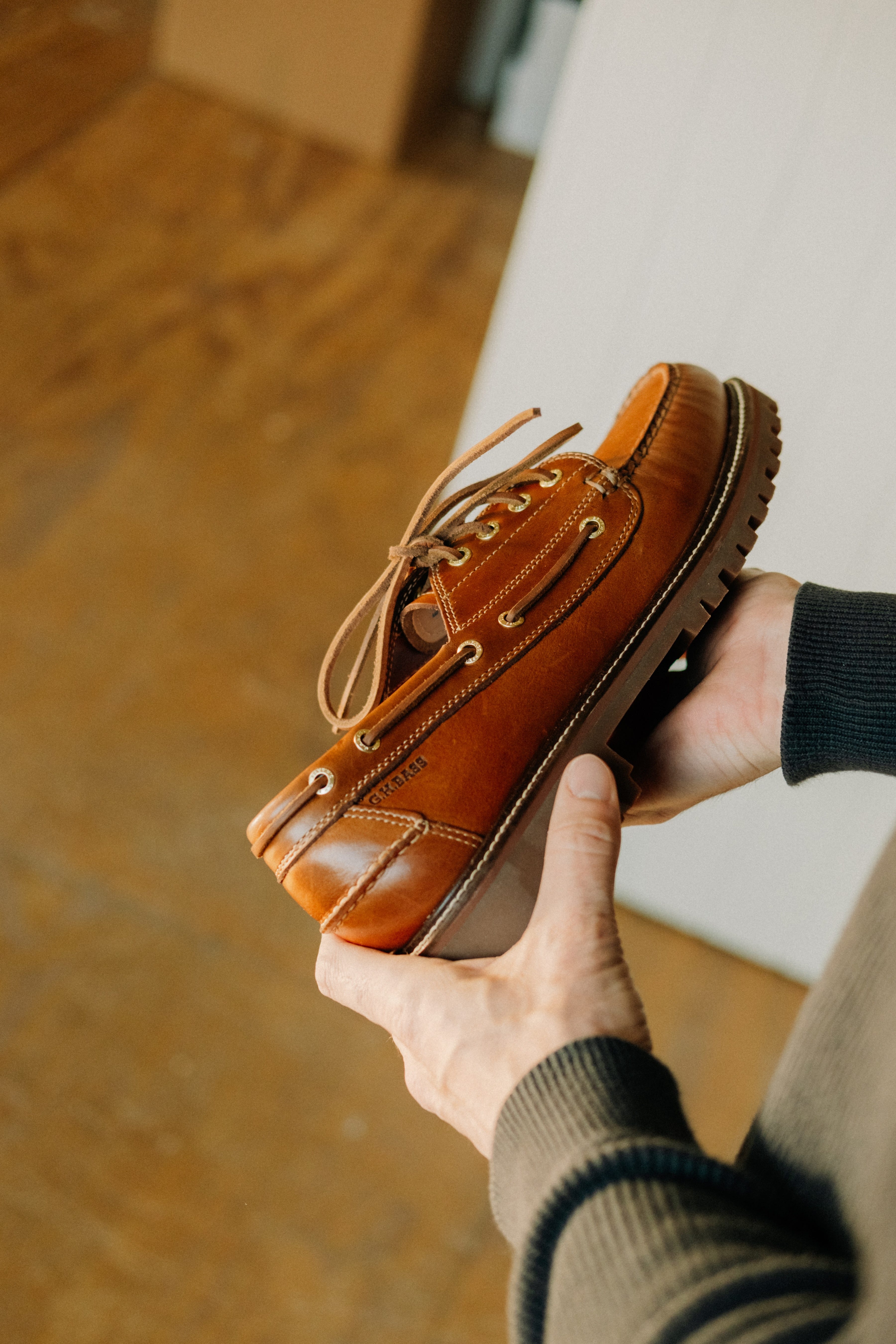
BASS adapted that idea for outdoor leisure and work, and the Ranger Camp Moc takes that same logic and reinforces it. Thicker leather, more structure, a durable sole. Still flexible, still comfortable, but built for daily wear rather than ceremony or travel alone.
This is the kind of shoe that makes sense the longer you own it.
The Alpine boot
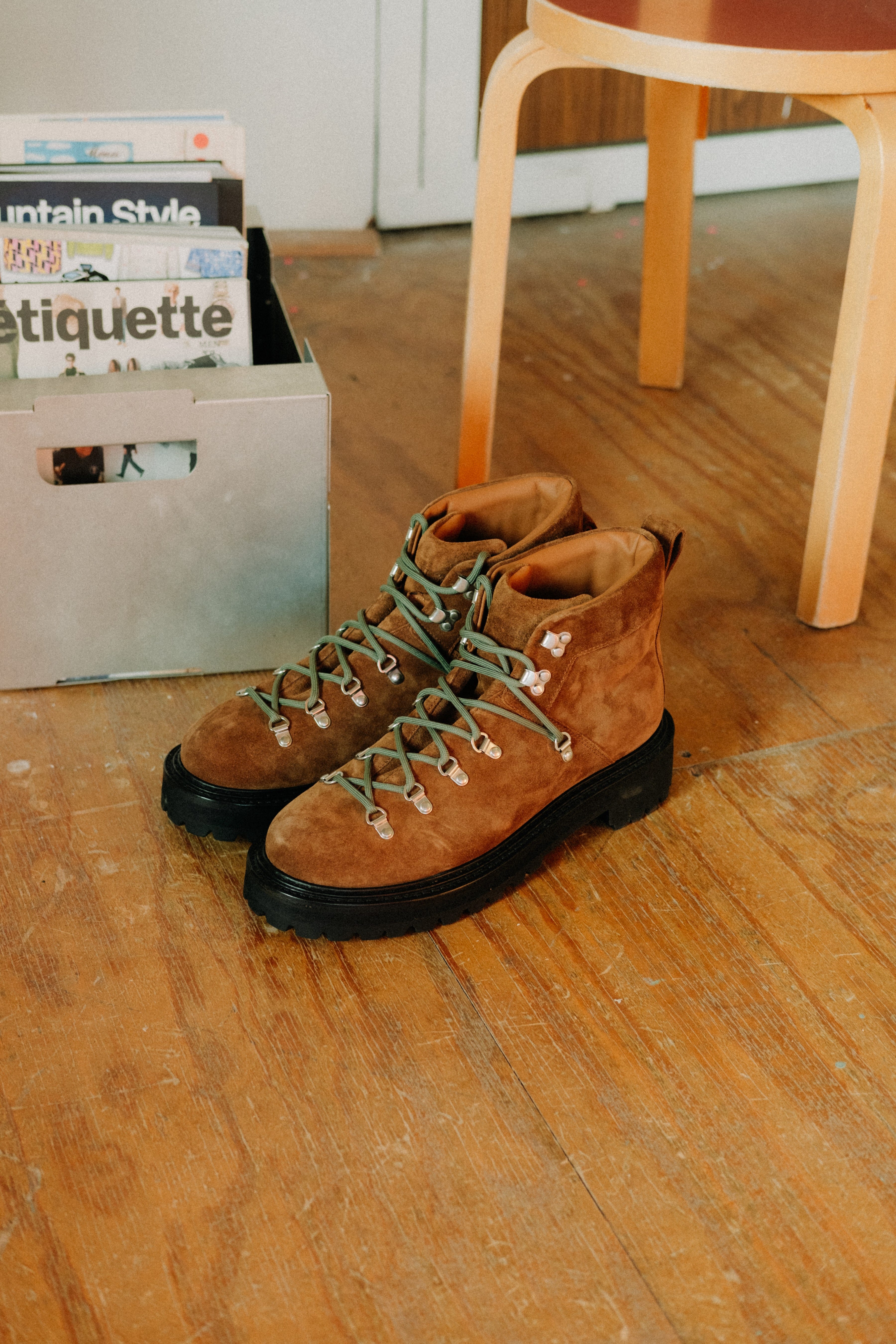
Then we have the Alpine boot, an outdoor-style boot originally developed for mountainous terrain. Climbers and outdoorsmen needed to have ankle support, grip, and protection over long distances, often in unpredictable weather.
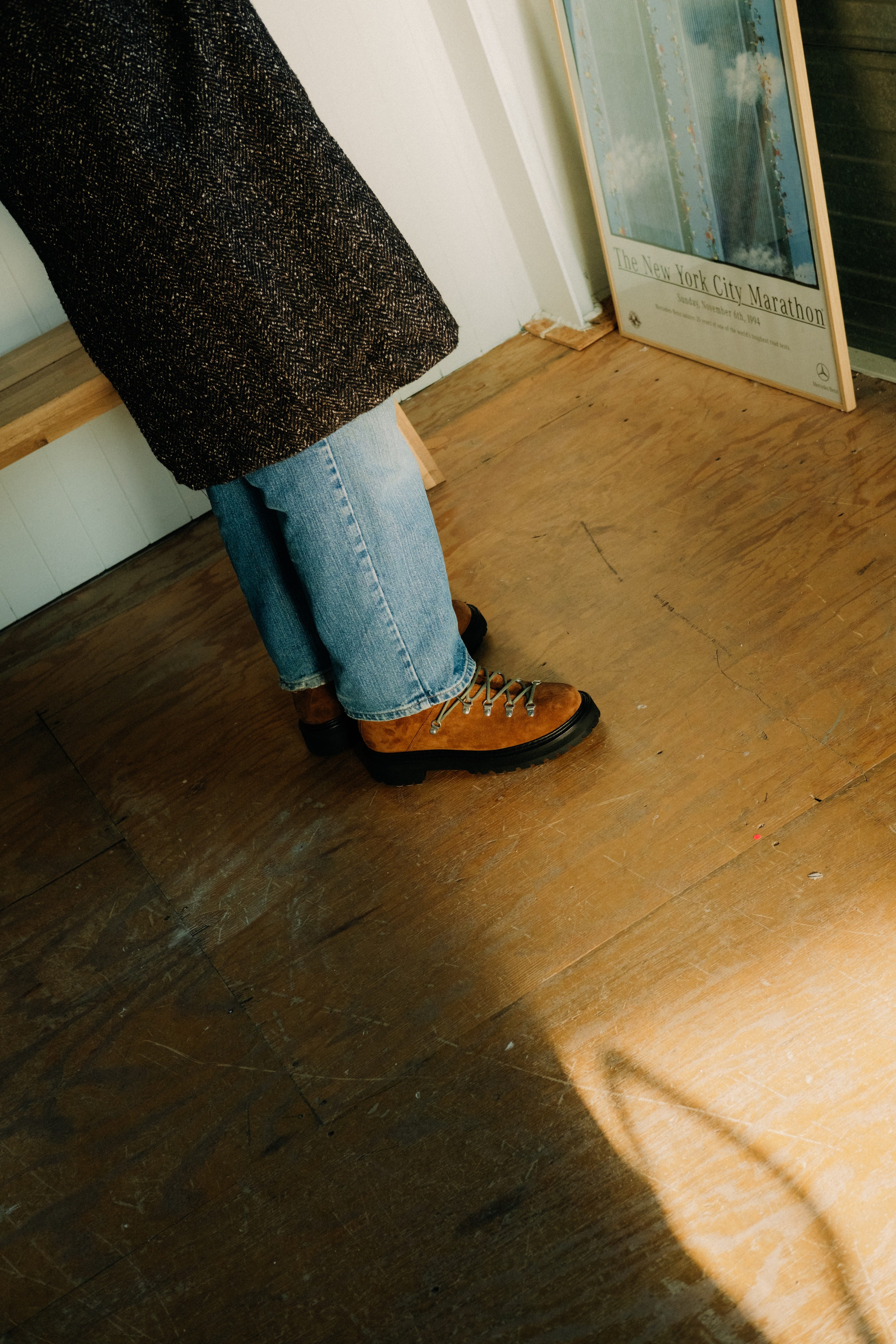
BASS’s take on the Alpine boot keeps those principles intact. A sturdy suede upper, a supportive sole, and a silhouette that feels grounded rather than aggressive.
What I appreciate most about the Alpine is that it does not overstate itself. It is not trying to compete with modern performance hiking boots. It is not trying to look futuristic.
It sits comfortably in the middle ground. Functional enough to be trusted. Simple enough to work with almost anything.
The endurance of good product
What ties all of this together is the restraint of building something really good, for a long period of time,
Brands like G.H.BASS remind us that longevity often comes from knowing what not to change. When you start with a product that solves a real problem, you do not need to reinvent it every season. You just need to respect it, and more important: honor the people who pay good money to invest their dollars into the product itself.
The Ranger Camp Moc and the Alpine boot were never meant to be fashion statements. They became relevant because they worked and because people found ways to live in them.
And when so much of what we buy is designed to feel new for five minutes before it wears out, something is grounding about footwear that follows trends or seeks attention.
And sometimes, that is exactly what good design looks like.