

The North Face has its unimpeachable classics: the ’96 Nuptse, the heavy-ass Denali fleece, the indestructible Base Camp duffles, and ThermoBall-insulated jackets, to name a few.
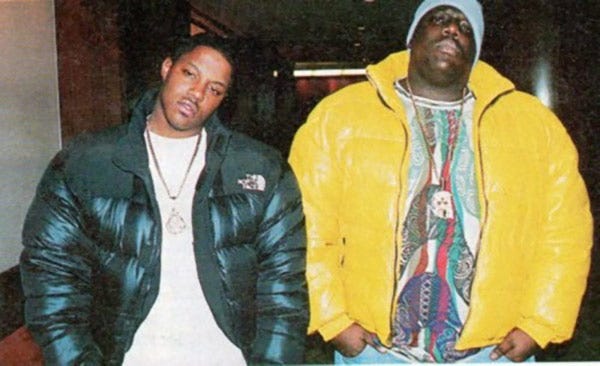
But over the brand’s 60-year history, its footwear line has largely flown under the radar and, quite frankly, remained underappreciated.
The North Face launched its footwear category in 1999 with the Sawtooth Ridge and Kuna Crest. After the brand was acquired by VF Corporation in 2000, footwear collaborations gradually emerged, thanks in part to VF’s portfolio, which includes Vans, Timberland, and, until 2024, Supreme.
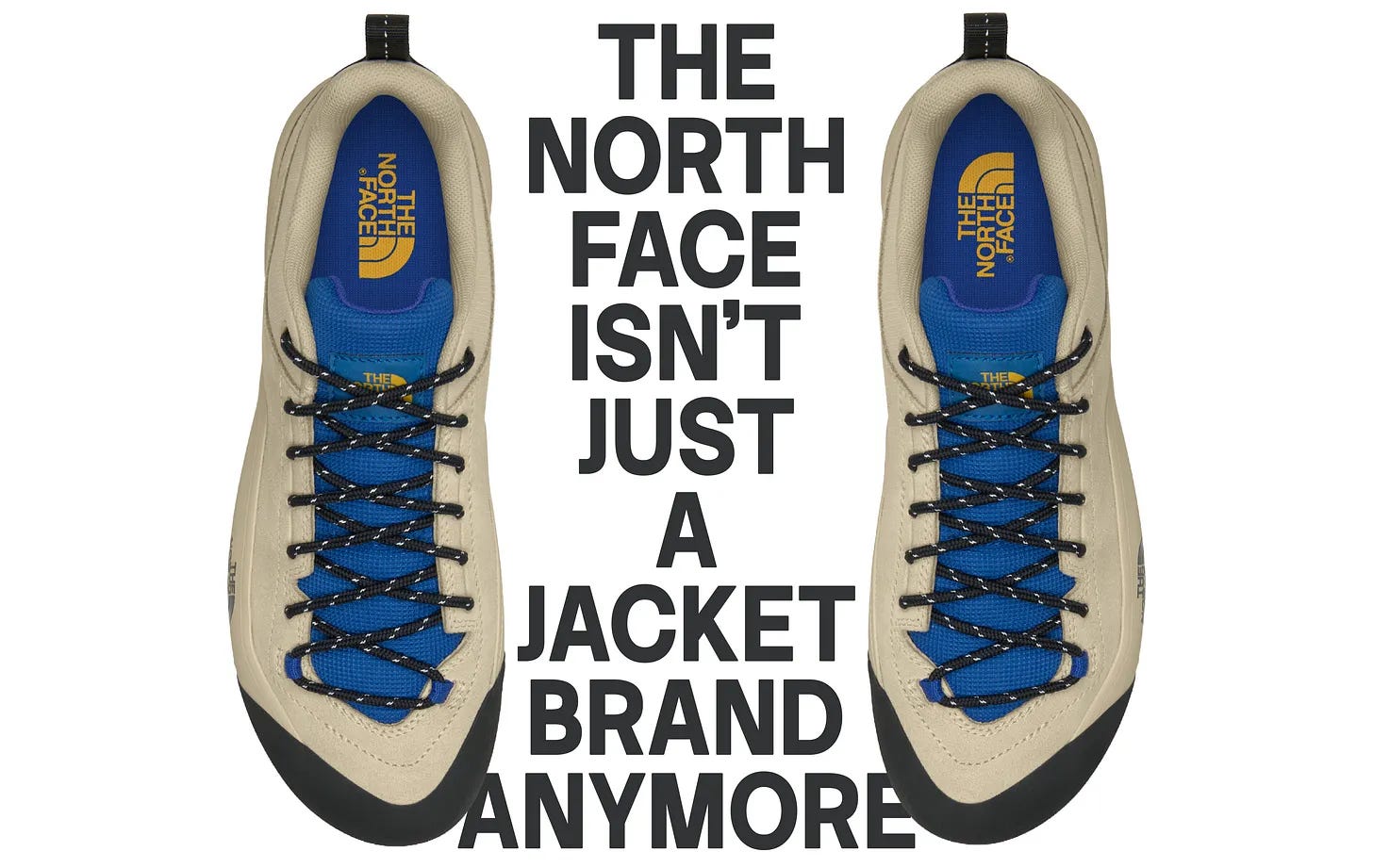
While TNF will never abandon its bread and butter, puffer jackets and technical outdoor gear for athletes like Jimmy Chin and Alex Honnold, the last few seasons have marked a noticeable evolution in its footwear lineup.
The Glenclyffe first caught my attention in 2023, and, to me, it helped kick off the recent conversation around approach shoes.
“The Glenclyffe demonstrated that a product rooted in authentic outdoor performance could also resonate within contemporary culture,” says Francois Pochon, Sr. Product Manager of Lifestyle Footwear.
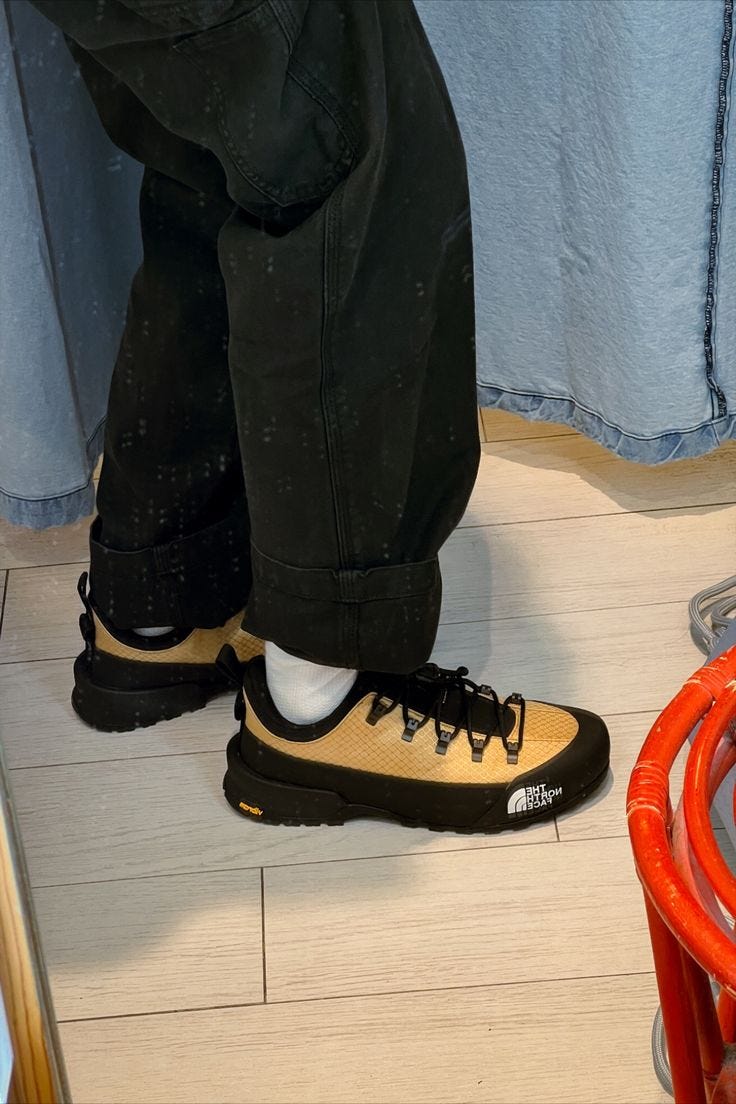
The Clyffe followed in 2024 as the Glenclyffe‘s successor, while the Clyffe Ultra launched earlier this year. One of our Sprezza team members was wearing a pair of Clyffe Ultras, so I DM’d him and said, “TNF shoes are legit.”
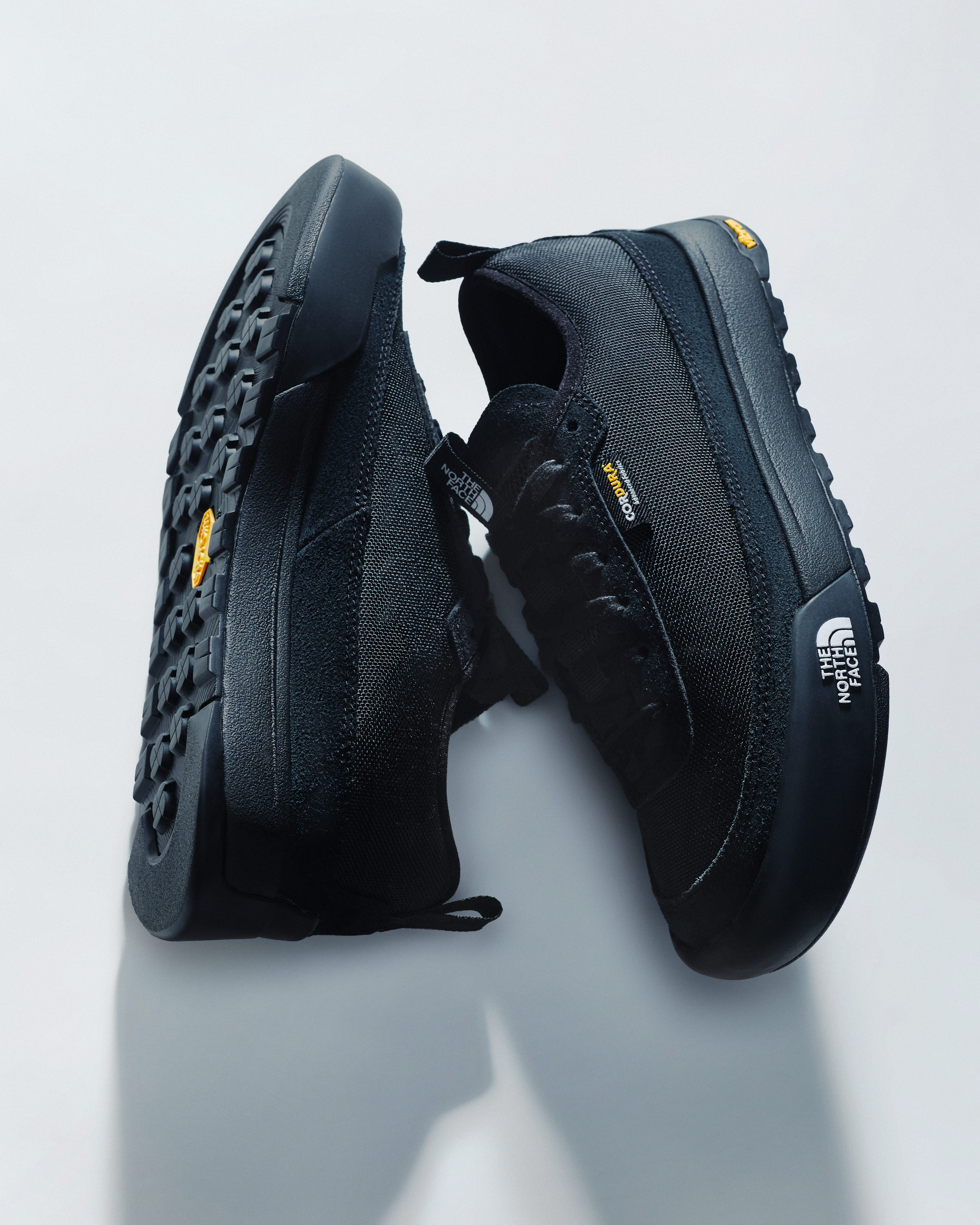
We ended up having a back-and-forth conversation about how the brand’s footwear category no longer feels like an afterthought or a folded-in accessories business. Instead, it feels like a lineup that can stand alongside brands whose sole focus is making shoes.
And with the brand’s latest Verto Approach Shoes, I think things are only heating up. “People want footwear that performs outdoors but also feels relevant in everyday life, blurring the lines between performance and lifestyle,” says Matthew Blunt, Sr. Manager of Global Footwear Design.
I had the chance to chat with Pochon and Blunt about The North Face’s long-term investment in its VECTIV™ platform to accelerate growth in footwear, what gives the brand an edge in an increasingly crowded market, why climbing feels like “the new yoga,” and what’s next as it continues expanding the category.
Photos c/o: The North Face / Gracie Hinz
How do you think about footwear within The North Face as a brand? Outerwear is what most people immediately associate with TNF, so where does footwear fit into the bigger picture?
MB: Footwear is an incredibly exciting space for us at The North Face.
While the brand is best known for apparel and equipment, focusing on footwear allows us the opportunity to deliver a true head-to-toe experience for athletes and consumers, from summiting peaks to exploring cities.
It’s a category with tremendous potential, and we’re just beginning to unlock what’s possible across both performance and lifestyle.
Was there a particular moment or season when it felt like the brand really cracked the balance between performance and style in footwear? It seems like that’s become a major part of the conversation recently.
FP: We’ve been investing in performance footwear for several years, particularly with the VECTIV™ line. However, a key shift came with the launch of the Glenclyffe in Fall ’23.
It marked a pivotal moment, the Glenclyffe demonstrated that a product rooted in authentic outdoor performance could also resonate within contemporary culture. Since Fall ’24, we’ve continued to invest in both tooling and upper design that bridge performance and lifestyle, bringing our “top of the mountain” learnings into everyday environments.
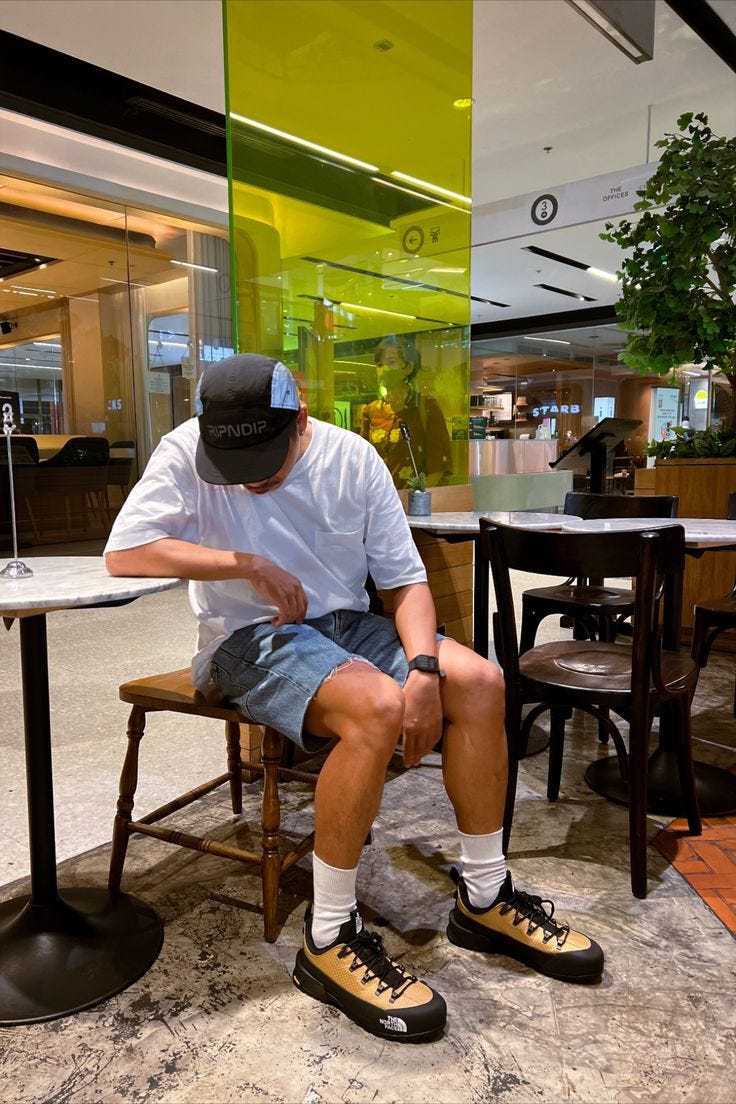
Climbing, a core part of our heritage, has been a powerful anchor in defining this point of view. It reinforced the idea that the strongest products are the ones that connect technical credibility with relevance beyond the outdoors
Once the Glenclyffe proved the concept, did it alter your investment in footwear or your confidence in pursuing this direction?
MB: Absolutely, the Glenclyffe marked a turning point for The North Face footwear, expanding both the audience and how the market perceives the category.
It demonstrated that our climbing heritage could translate into a product with broad lifestyle appeal, unlocking new opportunities for global growth, partnerships, and distribution beyond traditional outdoor channels.
The model reinforced that staying true to our DNA can resonate at a much wider cultural level, proving that our most authentic stories often have the greatest reach and impact.
How do you approach growing the footwear category season after season? What opportunities are you most excited about right now?
FP: Everything starts with authenticity. We’re privileged to work with world-class athletes who push the limits across multiple disciplines.
Listening to their needs and solving real performance challenges is at the core of our strategy. From there, we translate those learnings into tiered product offerings and distribution strategies.
What excites us most is continuing to build from this foundation, staying true to our community while expanding into new expressions of the brand.
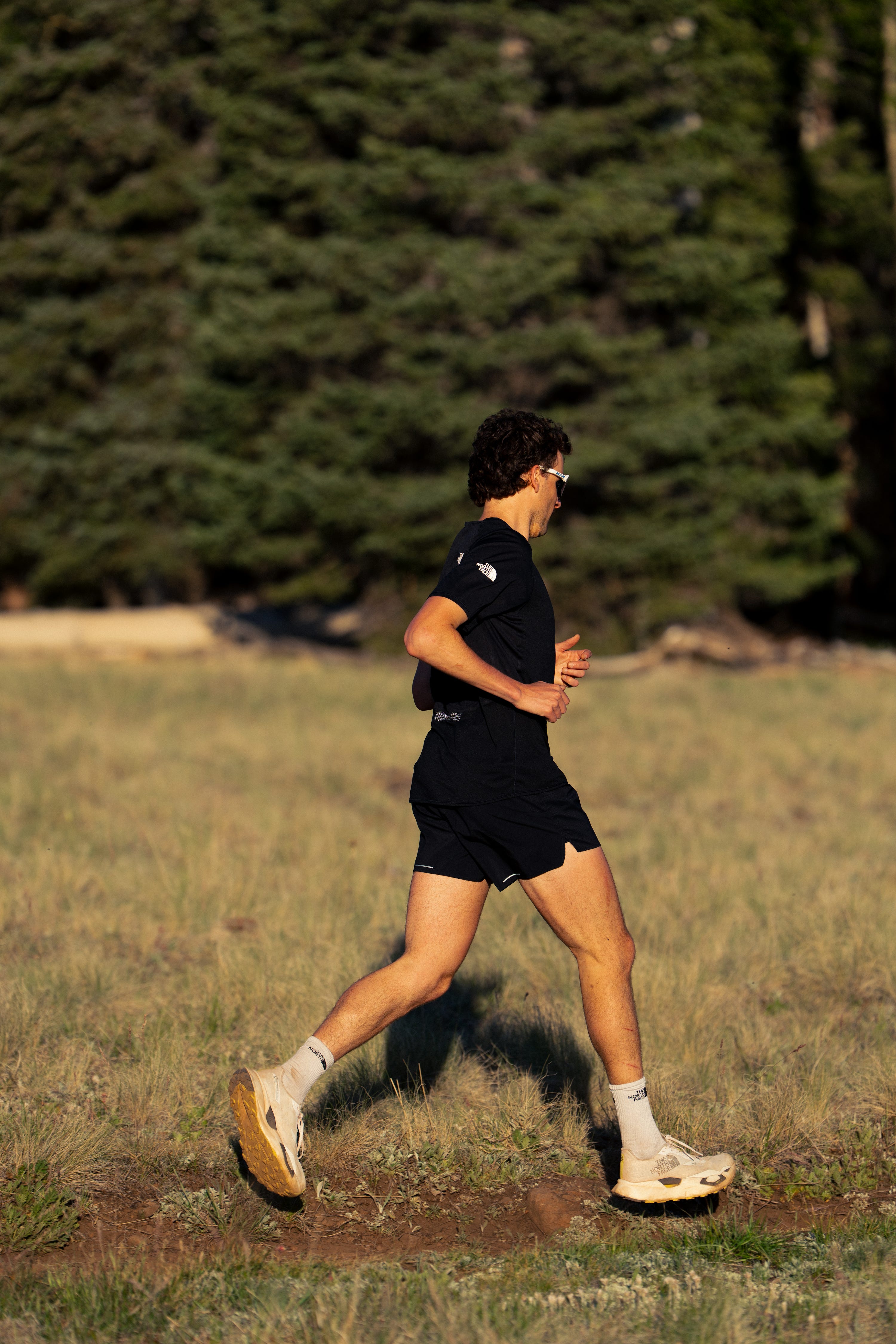
Trail running has been one of the biggest influences in footwear over the last few years, and now approach shoes seem to be having a moment. Where does The North Face fit into those conversations?
MB: Trail running is absolutely having a moment, and we’re proud to be part of the momentum.
Our unique position comes from the breadth of environments our athletes explore. Insights from ultra-distance trail running, alpine pursuits, snow exploration, and climbing allow us to design footwear that performs at a high level while influencing broader cultural conversations.
Our brand’s foundation in climb gives us the authenticity and the ability to create an approach footwear offering that feels both technically credible and distinctly The North Face.
More broadly, what are your thoughts on the footwear landscape right now? Why do you think so many consumers have gravitated toward outdoor-inspired footwear?
MB: The footwear landscape is incredibly exciting right now because consumers are looking for products that can do more than one thing. People want footwear that performs outdoors but also feels relevant in everyday life, blurring the lines between performance and lifestyle.
I think the growth of outdoor-inspired footwear comes from a desire for versatility and capability. Features like waterproof protection, traction, and durability provide real benefits, whether you’re exploring a trail or navigating the city.
The Clyffe and Clyffe Ultra are two of my favorite releases right now. Can you walk me through the design philosophy behind each model and what differentiates them?
FP: The Clyffe family is rooted in The North Face’s climbing DNA, but each model serves a distinct purpose.
The Clyffe Ultra reinterprets an archival silhouette through a more expressive, performance-oriented lens—while the Clyffe Trek is built as a capable modern approach shoe inspired by climbing functionality mixed with cultural expression.
Together with the original Clyffe, they showcase different expressions of the same climbing DNA for different consumers and use cases.


When you’re developing a new silhouette, what does the design process typically look like? Where do you usually start?
MB: When developing a new silhouette, we always start with athlete insights.
We spend time understanding the nuances of what our athletes need and identify opportunities where design can provide meaningful solutions, which in most cases have broader benefits for all.
From there, we move through concept exploration, prototyping, testing, and refinement, working together with athletes and cross-functional partners throughout the process.
The goal is always to create innovative products that push the boundaries of what’s possible and define new space for cultural expression, continuing to evolve The North Face’s DNA.
What do you think gives The North Face’s footwear an edge in such a crowded market right now?
FP: In an increasingly competitive market, we see strong consumer demand as an opportunity, and our edge comes from combining authentic performance heritage with a clear, differentiated point of view.
The North Face footwear is uniquely grounded in decades of athlete-led innovation, where real insights from exploration and performance shape purposeful product design. At the same time, today’s consumer is looking for meaningful connection, and our ability to translate that performance credibility into compelling storytelling rooted in our brand DNA allows us to stand out.
This intersection of athlete-driven innovation and authentic brand narrative creates products that are not only functional, but culturally relevant and distinctly positioned in the market.
Running has evolved into a massive cultural and commercial space. Do you see climbing following a similar path, or do you think it’ll develop differently?
FP: While running is clearly having a strong cultural moment, climbing is building momentum in its own distinct way—we often refer to it internally as “the new yoga.”
It offers a unique blend of physical, mental, and social benefits, and is fueled by a highly engaged, inclusive community. From high alpine environments to local gyms, climbing is becoming both a platform for personal progression and a creative outlet for self-expression.
Unlike more competition-driven categories, its growth is rooted in authenticity and connection to nature. As this evolves, we see climbers using gear not just for performance, but as an extension of identity, creating an opportunity for us to deliver both technical credibility and culturally relevant product that enables self-expression.
Looking ahead, where do you see the footwear industry heading over the next year or two?
MB: In the footwear industry, the pace of innovation is accelerating across materials, manufacturing, and digital design tools.
We have access to technologies that allow us to design and develop products faster, test ideas more effectively, and unlock entirely new possibilities.
What excites me most is how these advancements will help us create better experiences for athletes and consumers in the years ahead.