

In the early 1970s
A crew of countercultural climbers called the Stonemasters took up residency in Yosemite National Park and effectively reinvented the sport. They ditched the heavy gear and the old methodology in favor of something faster, cleaner, more fluid... free climbing, before anyone was calling it that.
Their reference points weren’t other climbers; they were the likes of Bruce Lee, Jimi Hendrix, and Carlos Castañeda. And the attire became a new kind of uniform: painter pants, army surplus fatigues, and whatever else moved well.
One of them, Mike Graham, decided the clothes still weren’t right. So he built his own, pulling a diamond-shaped gusset from a pair of kung-fu trousers for full range of motion, integrating a nylon webbing belt borrowed from backpack design, finishing the whole thing in hard-wearing canvas.
In 1982, after a few years of selling his handmade wares to friends, Gramicci was born, named after the fake Italian nickname Graham had adopted when the Stonemasters staged a fictitious “all-Italian ascent” of Half Dome. Might’ve been a joke at first, but the name stuck.
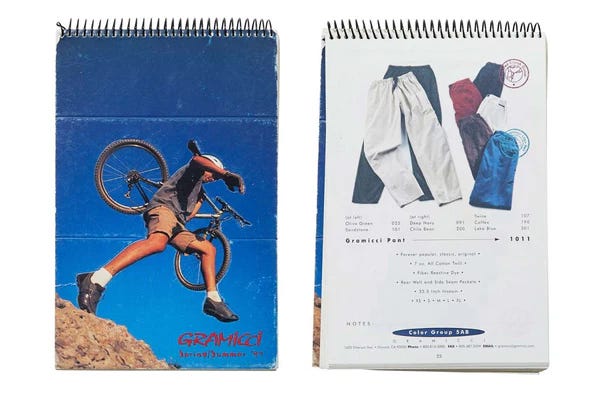
By the early 90s, spotting a pair of Gramiccis on the streets of Shinjuku wasn’t unheard of. As with all American brands and products, the Japanese understand how to import and care for those products better than Americans ever could.
It was eventually sold to a Japanese company (its new home there) and has been operating from Japan ever since.
The thing about Gramicci is that it was born out of solving a specific problem. A weird blend of kung-fu, mountaineering, and workwear, baked into a universal solution that appealed to everyone.
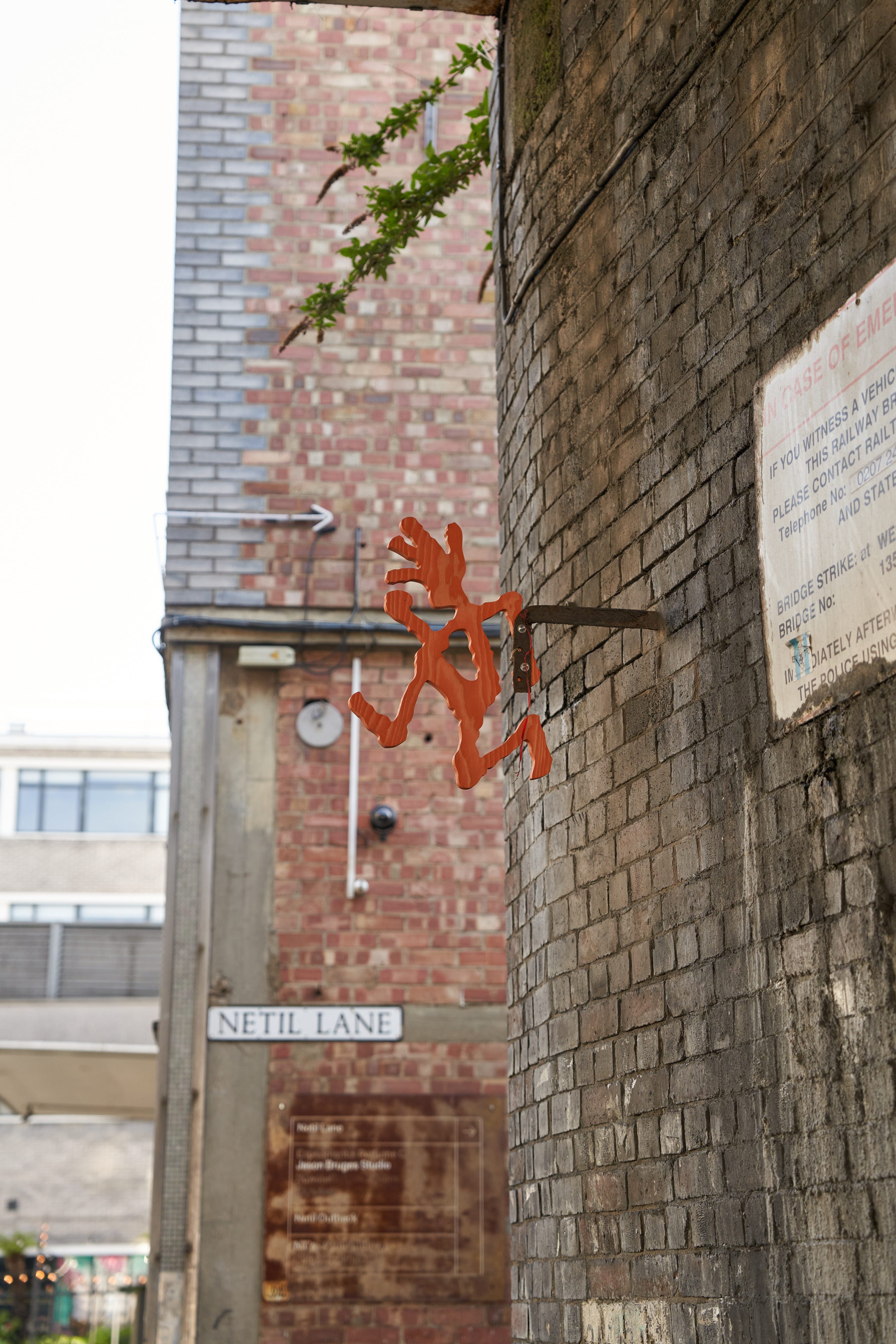
Climbers wore it. Skaters wore it. Tokyo wore it. And in 2026, they opened a new popup space tucked inside the Netil House in London Fields’ Hackney neighborhood.
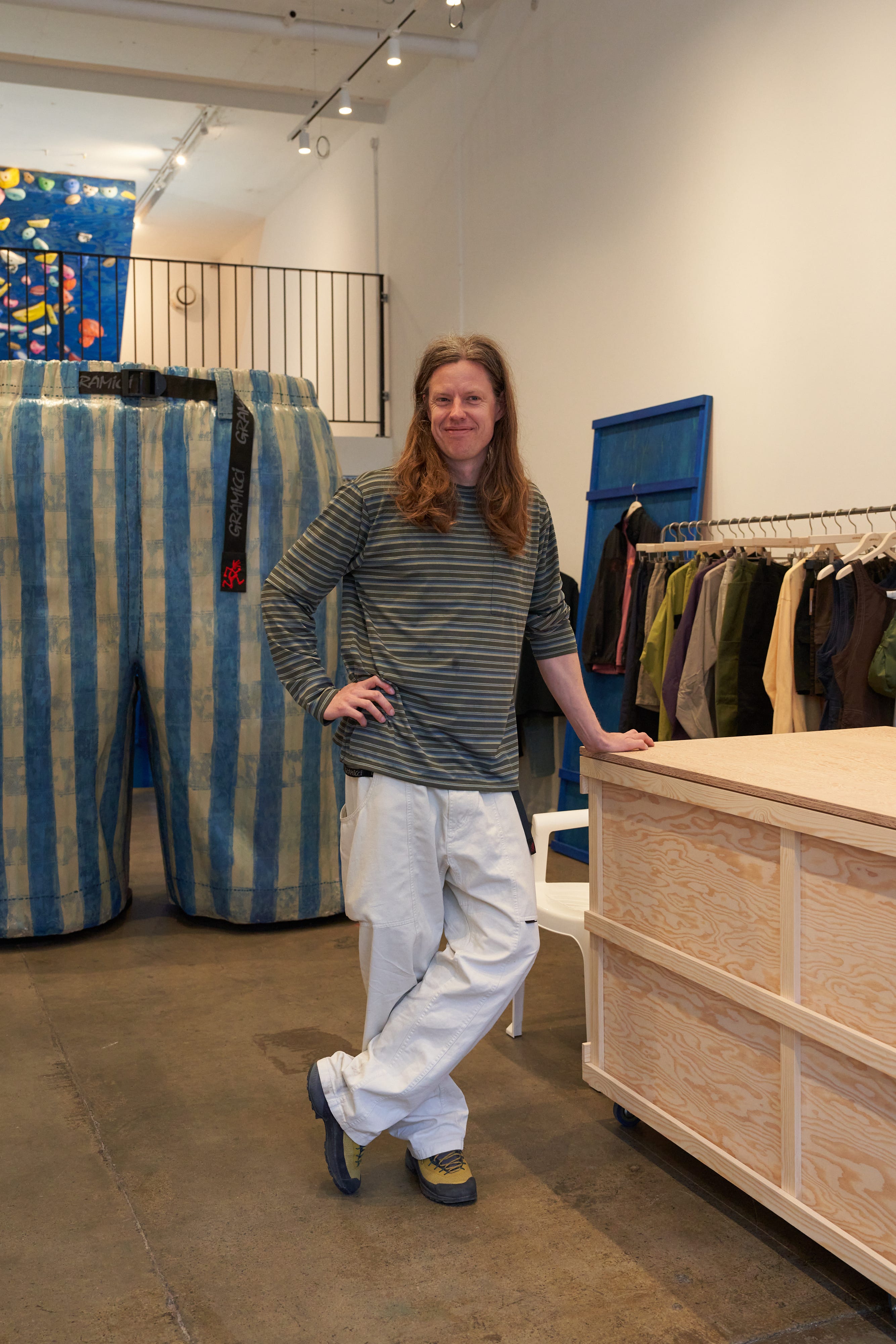
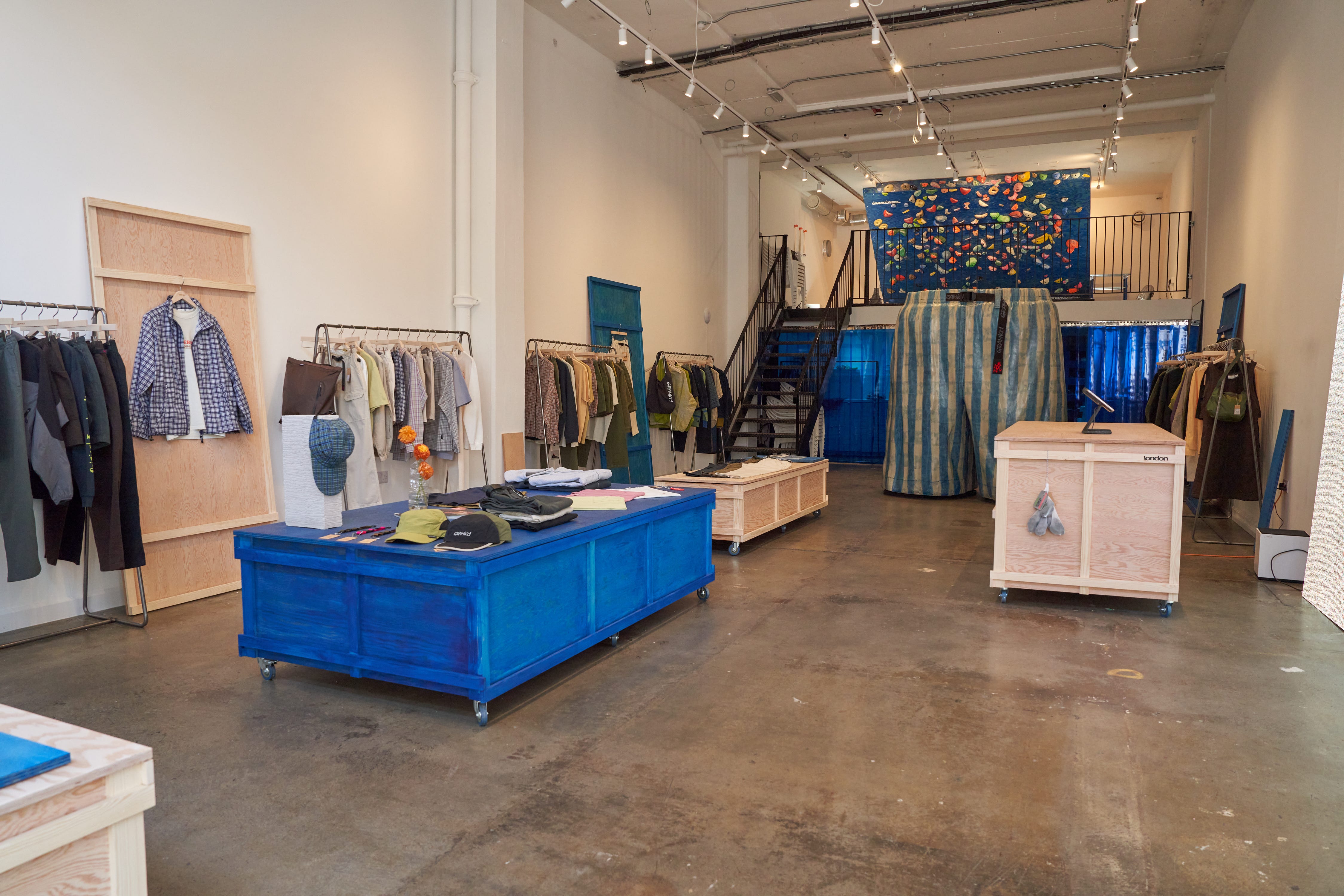
I had the pleasure of visiting recently. There’s a climbing wall, a large LED screen set up for screenings and viewings, and furniture designed to be moved or cleared out entirely, depending on what’s happening that week.
But in general, it’s the kind of space that more brands should center their products around… places that make you feel welcome to dwell, not just transact.
The space was conceived by Stevie Gildea (Gramicci’s UK & EU Brand Manager) and the team behind Wisdom & Effort, who run Gramicci’s UK and EU distribution.
We sat down with both to explore the shop, ask about how you build something you can’t quite describe, and perhaps entice you to pay them a little visit the next time you’re in London.
PS - big thanks to Meara Kallista for the great photos on this shoot!
PPS - their new Hackney space is temporary, so go hit it up and tell them I sent you! They’re open all summer and have some bangin’ pieces from the new collection. Plus, they’re constantly hosting events and community gatherings. Well worth the visit.
Addy here: 2 Netil Ln, London E8 3RL, United Kingdom
You’ve talked about having boxes of climbing magazines from the 70s and 80s, like ads that were fun, an independent vibe, dozens of small brands doing interesting things. Gramicci was born right in the middle of that era. What do you think you guys understood then that most outdoor brands lost along the way?
Erik: Climbing was a bit more of a counterculture back then; it attracted lots of interesting characters. Since the scene was so small, a lot of the technical innovation was DIY-driven, with people running their own small brands, having fun, and trying things.
When the scene grew, lots of companies became big businesses, and big businesses are usually really boring.
I think Gramicci managed to stay intact by growing slowly and staying true to their core products, rather than branching out into other activities or trying to be too innovative.
And most importantly, not taking themselves too seriously.
Gramicci is a California brand with an Italian name that’s been run from Japan for decades and is now opening flagships in London. That’s a strange geography for a brand to hold together. What is the connection between all of this that keeps Gramicci coherent?
Stevie: On paper it sounds strange: California roots, an Italian name, shaped by Japan, now showing up in London. But the connection less geographical and more cultural.
Gramicci has always traveled through people rather than markets. Japan didn’t just “run” the brand – it deeply understood it. It gave Gramicci an appreciation for quality, longevity, and everyday wear that still respects its roots.
London makes sense because it’s a place where subcultures overlap, where climbing, skating, fashion, music and art constantly cross over.
The coherence comes from values rather than aesthetics: freedom of movement and space for interpretation. Those ideas translate anywhere if you don’t force them to look the same.
It’s clear from visiting the Hackney Space that it isn’t your typical retail store designed for selling clothes, so what was the brief for the new Gramicci Space? Was there something Gramicci wanted to do differently?
Erik: Yeah, it was all about “build something we can’t fully describe” and we nailed it… because we still can’t describe it.
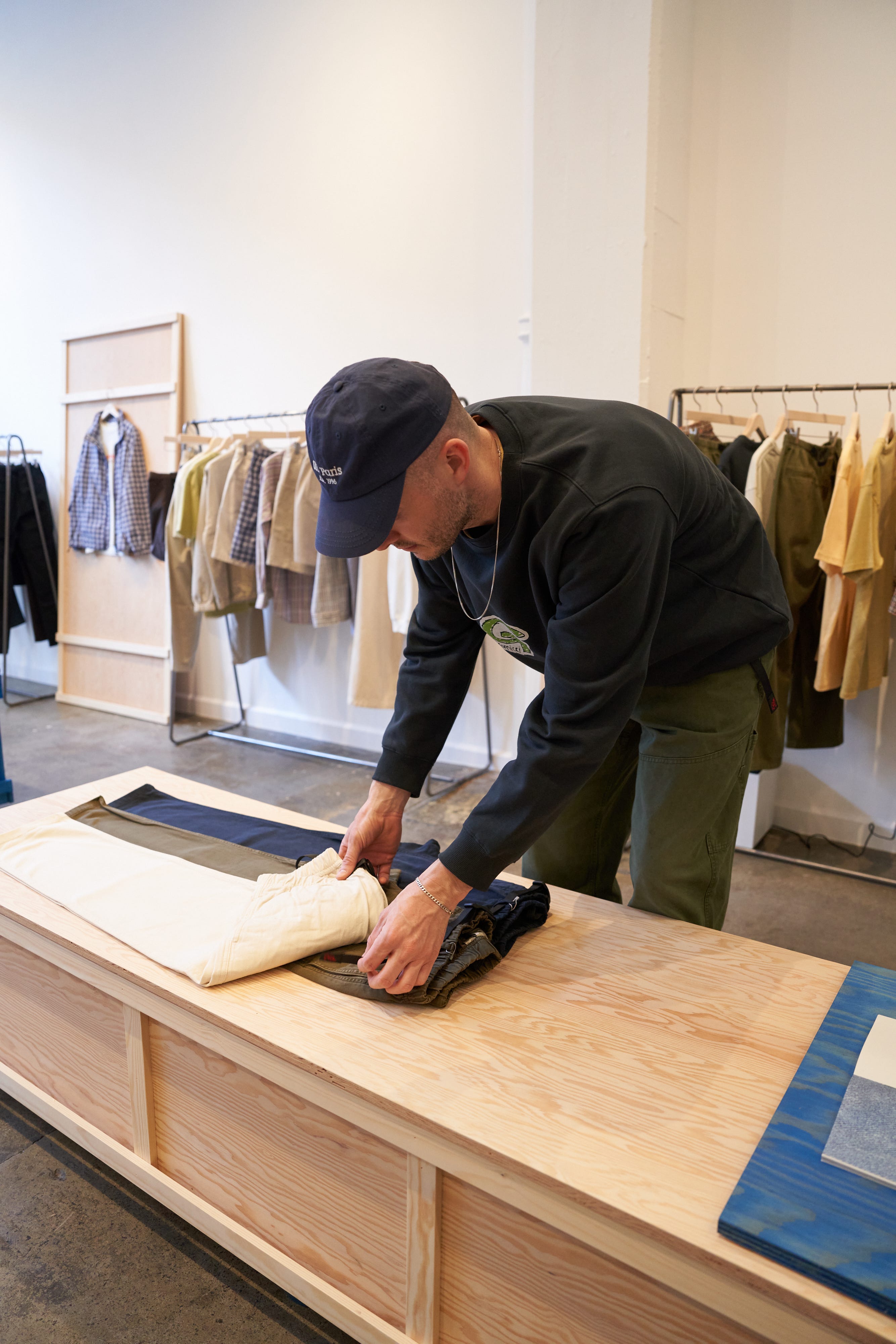
It was about how Gramicci can build the brand in London, we want people to interpret Gramicci in their own way and having somewhere that facilitates that is what the Hackney Space is.
The book, the store, the campaigns; those are three very different formats for telling the same brand story. What does each one let you do that the others can’t?
Erik: One you can step inside. One you can read in the bath. One you scroll past really fast. With this in mind one can tailor the message to do different jobs in each format.
Gramicci is a brand that has cultural references to 90s skate & street culture, how has it managed to maintain such relevance long term?
Stevie: Gramicci’s relationship with skate and street culture was never forced. Skaters adopted the clothes because they worked and because they didn’t scream for attention.
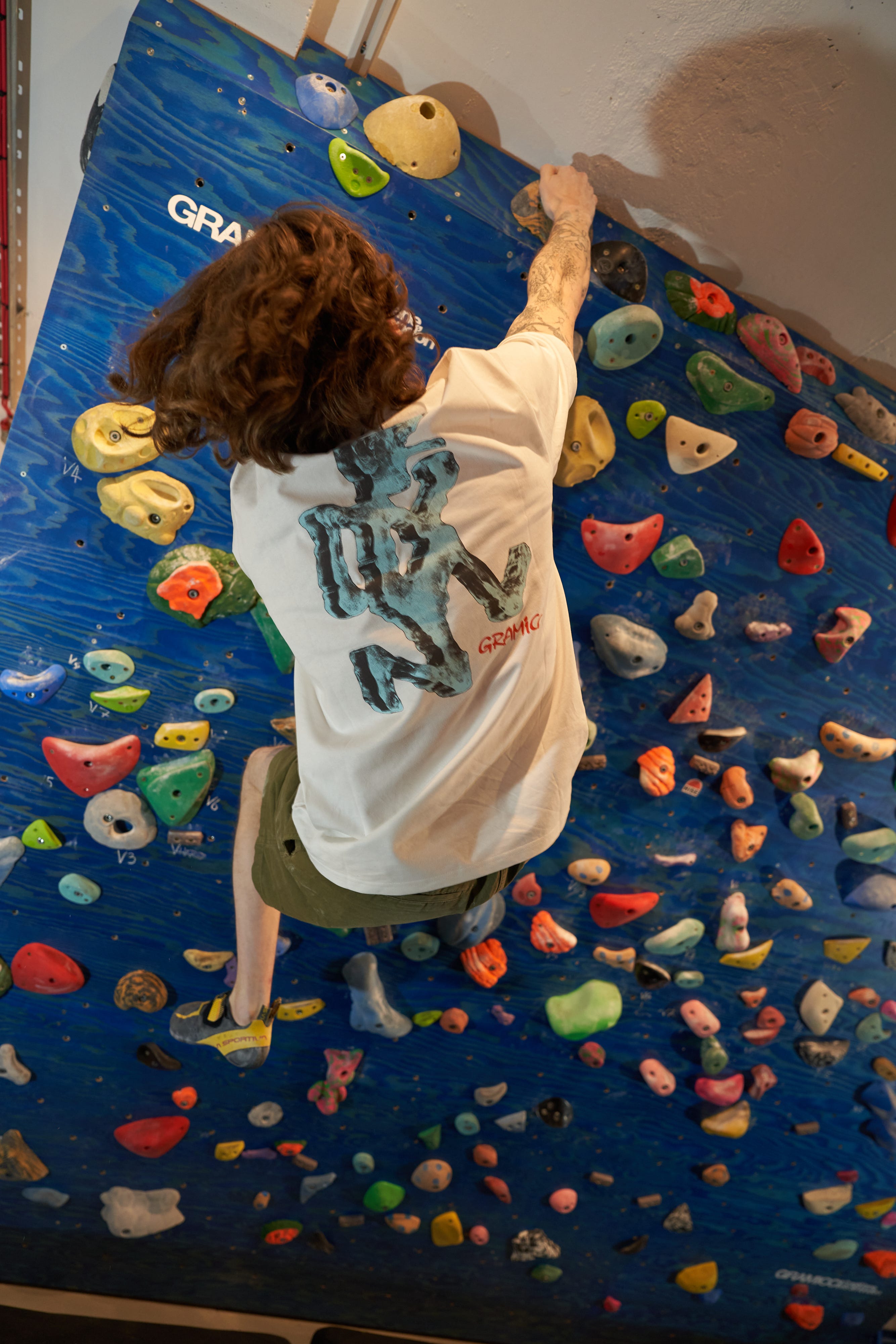
That kind of relevance is harder to manufacture but easier to sustain. We haven’t tried to constantly “update” the brand to chase trends. Instead, we’ve focused on staying authentic to the things that made it useful in the first place.
When you leave space for people to reinterpret the product through their own culture, the brand stays alive without you having to shout about it.
“Keep it vague” has become a tagline for Gramicci. How do you apply that to a brand with a defined origin story without flattening it into something predictable?
Stevie: For us, “keep it vague” doesn’t mean being unclear about who Gramicci is. It’s more about not over-explaining it. The brand has a very clear beginning, but we don’t feel the need to keep spelling that out or turning it into a fixed formula.
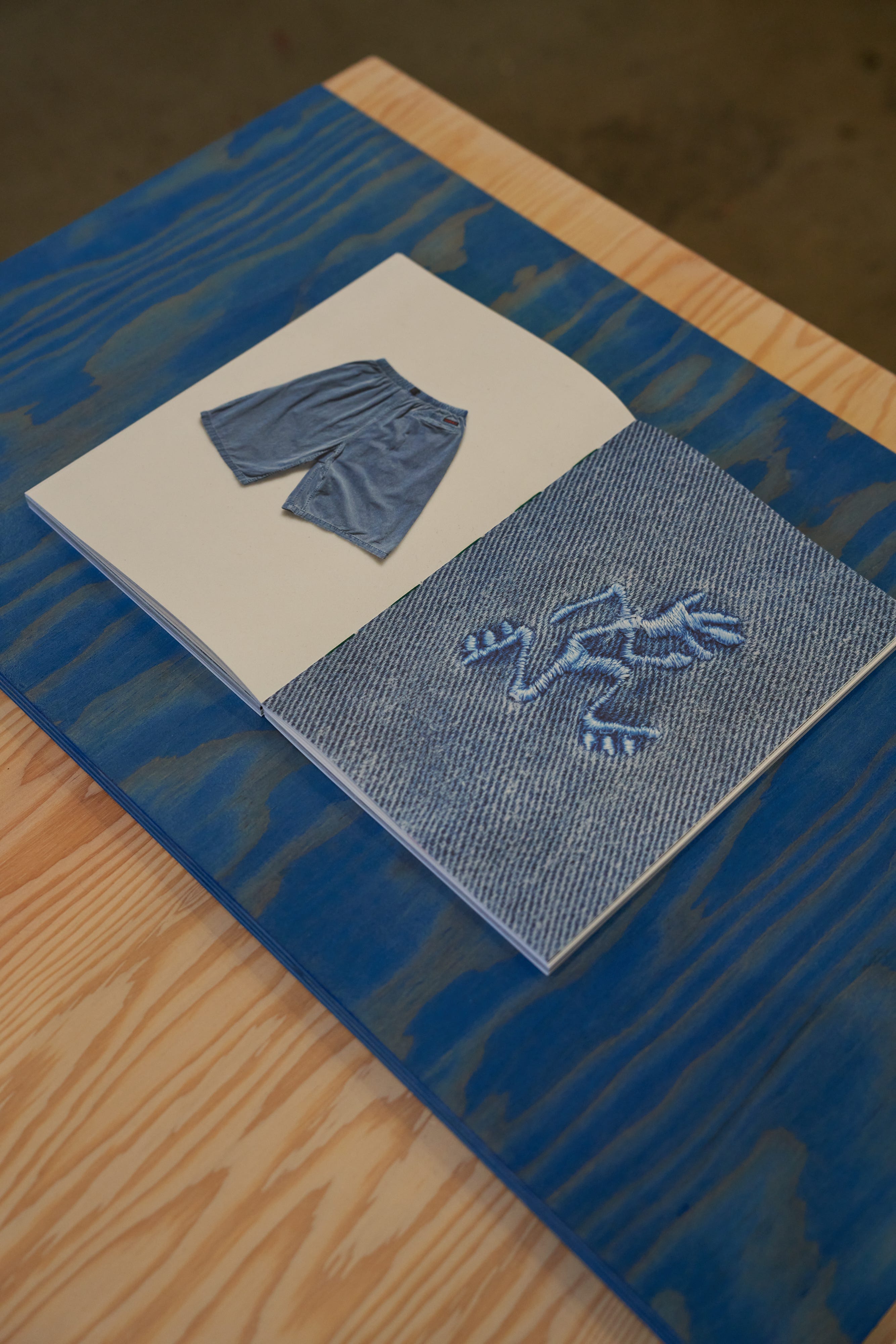
Once you start telling people exactly what a brand is and how they’re supposed to read it, it kind of stops being interesting. It becomes closed.
With Gramicci, we’d rather let the story sit in the background and let people come to it in their own way. The important part isn’t the details of the origin, it’s the attitude behind it… freedom of movement, usefulness, not trying too hard.
Those things stay consistent, but how they show up can change depending on who’s wearing it and where they’re wearing it. So being vague is really about leaving space.
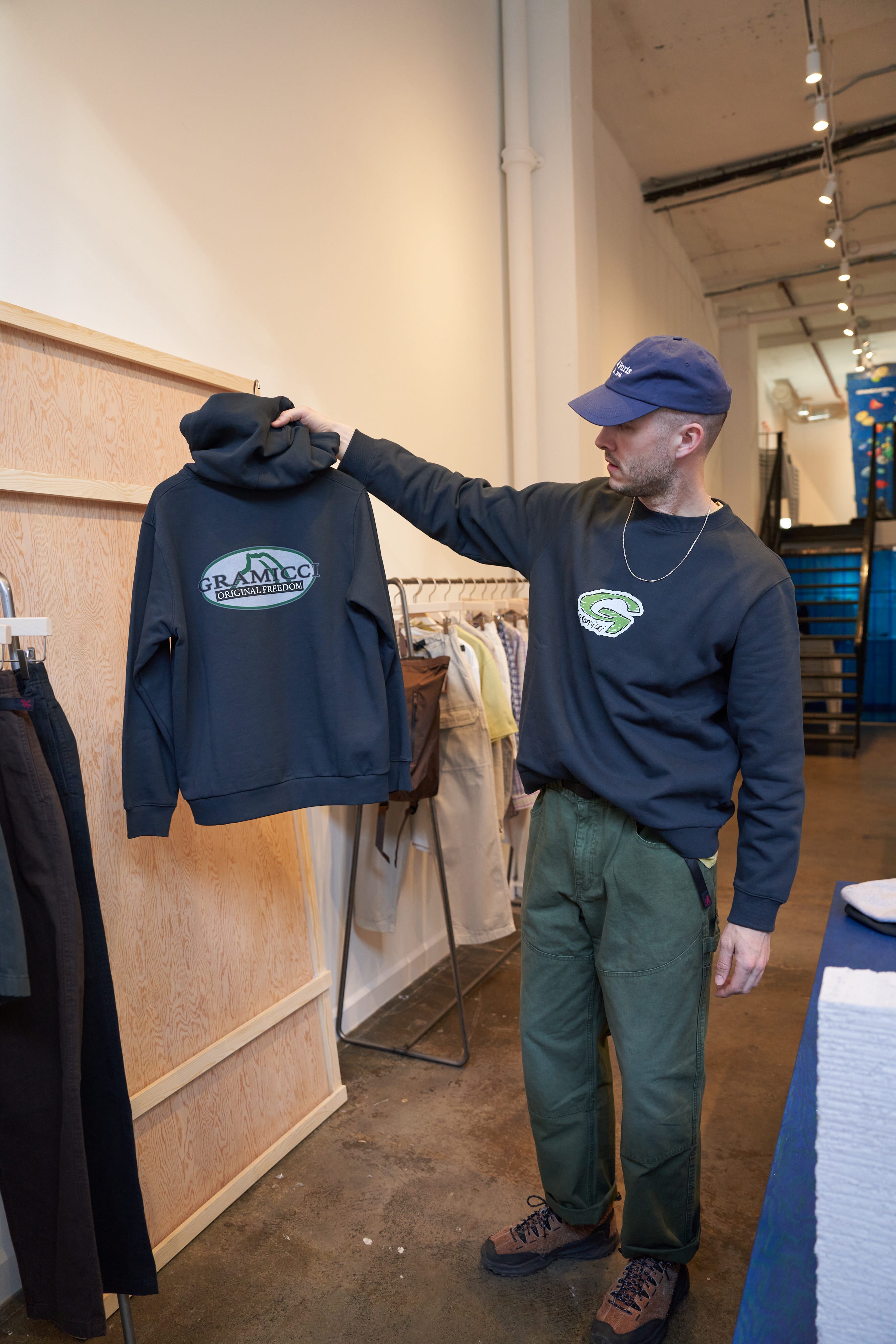
If someone comes to Gramicci through climbing, that’s valid.
If it’s skateboarding, music, or just how the clothes fit into their everyday life, that’s just as valid. We’re not trying to control the interpretation; we’re trying to give people enough to connect with without telling them exactly what they should be seeing.
What is it about the Hackney Space that makes it feel very Gramicci to you, and why?
Stevie: It feels Gramicci because it isn’t trying too hard to prove that it is. It’s practical first – you can climb, you can watch a film, you can use the space – but it’s also comfortable with contradiction.
There’s a looseness to it, a sense that things could change tomorrow, which feels honest to how the brand has always evolved. It’s not precious, it’s not perfect, and it doesn’t tell you exactly how to behave when you walk in.
That freedom is probably the most Gramicci thing about it!
“The thing about Gramicci is that it was born out of solving a specific problem.” This.
fantastic report! good shit bro!