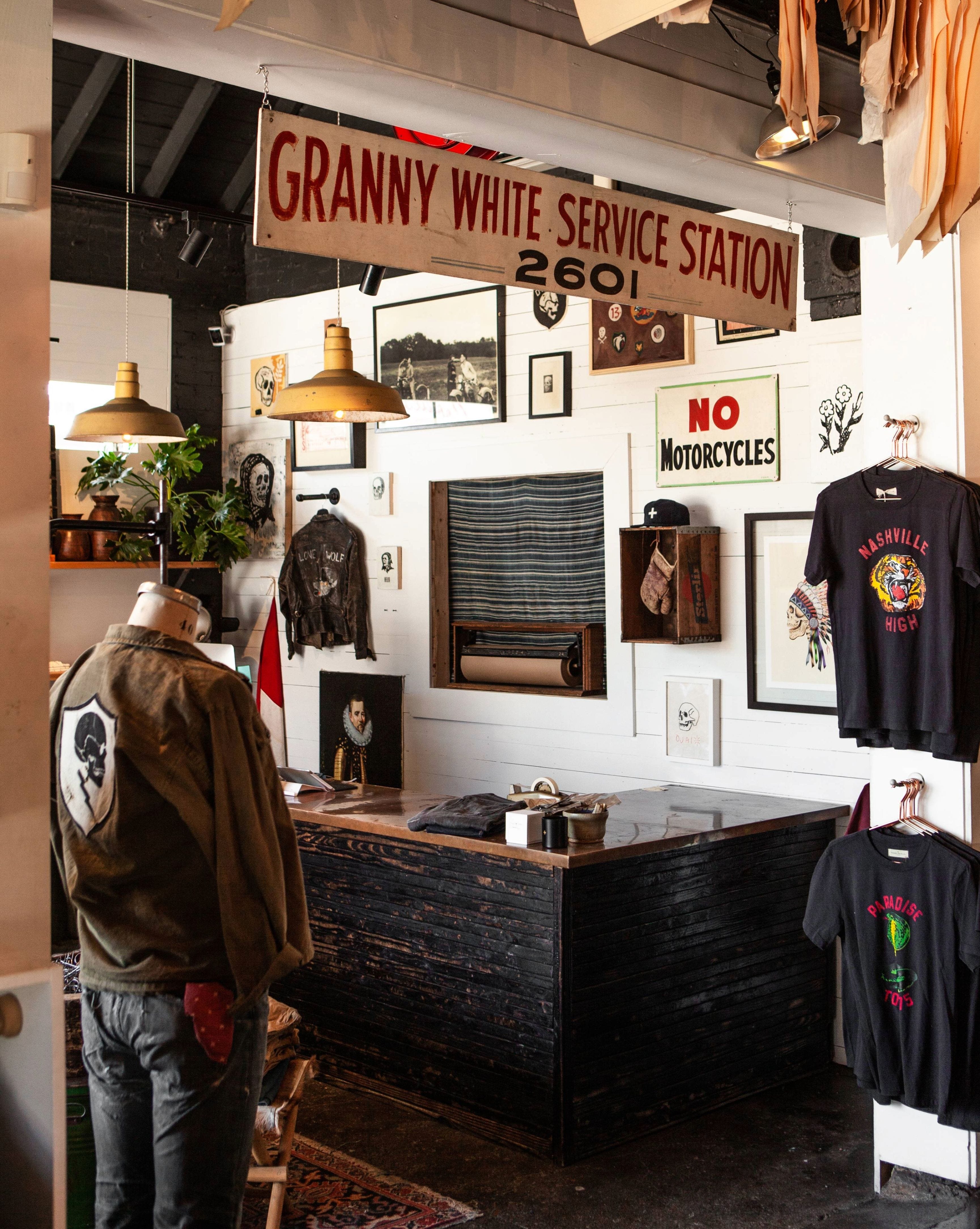
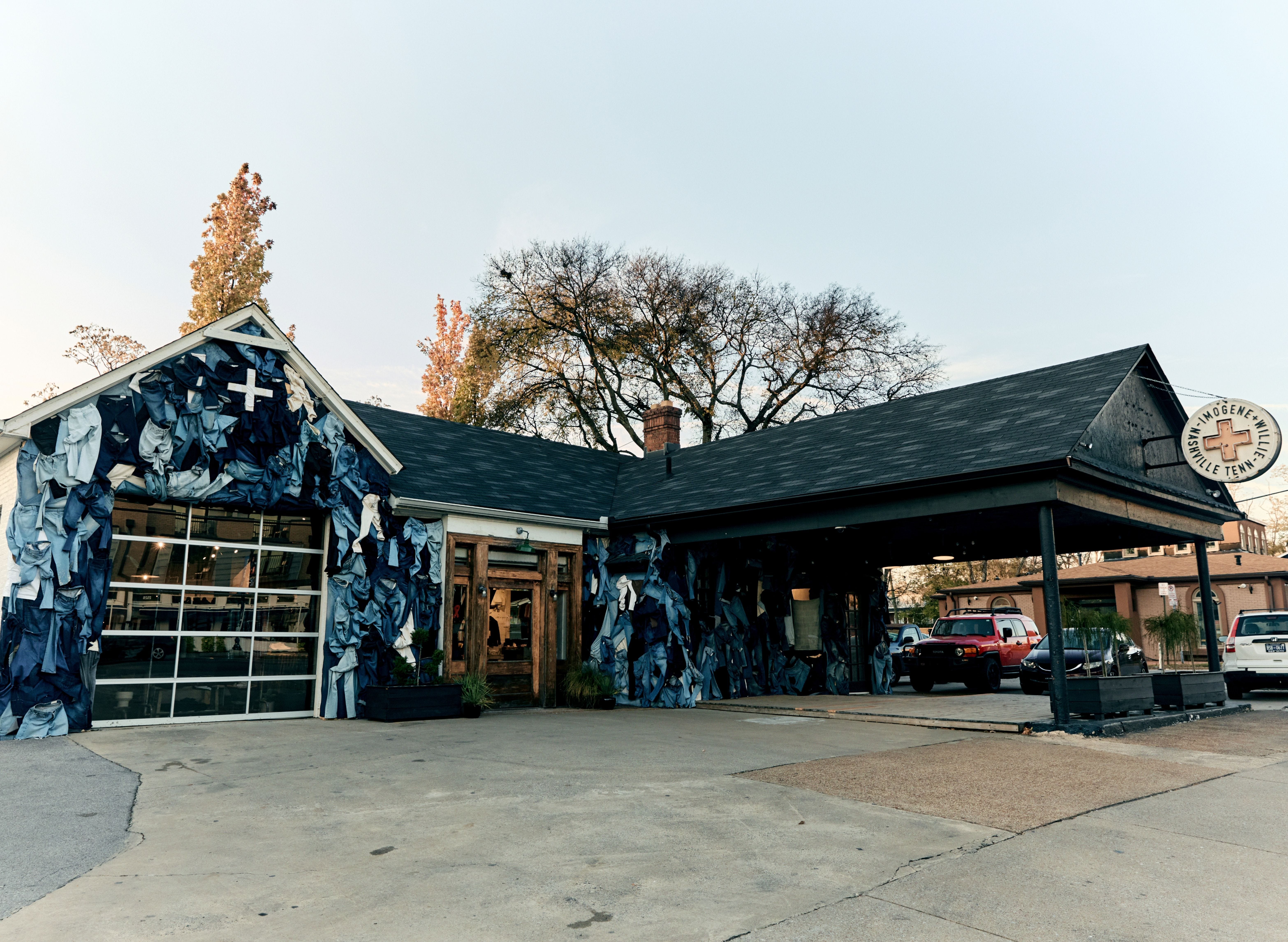
Just a little over a four-hour drive south for me, and I find myself at the old 1950s service station in Nashville’s 12 South neighborhood, where imogene + willie has called home since 2009.
My first visit to the shop was in 2019, but I’d been familiar with the brand for a while, thanks to a Cincinnati indie shop called Article (RIP), where I’d felt their jeans and flannels. I remember thinking that the next time I visited Nashville, I had to stop in.
When I finally made it, I bought a pair of their Charlie slim-leg jeans, made from one of the last rolls of denim from a factory in Greensboro, North Carolina. I had them hemmed and picked them up a few hours later that same day. Since then, I’ve continued to wear and follow the brand, with my affinity for its products growing over the years. Meanwhile, the company has seemingly expanded while managing to remain under the radar.
Seventeen years into the business, with everything manufactured domestically and a New York shop planned for next year, imogene + willie has come a long way. According to Jackie Berkley, the company’s Head of People + Culture, who recently celebrated her tenth anniversary with the brand, things have changed in a very good way.
“When I started, we were a $2 million business, and now we’re a business doing over $30 million,” she says. The increase in revenue is impressive, but so is the growth of the team. “When I started, I think there were maybe 20 to 25 employees. Now we have 100 employees.”
Fresh off the heels of the brand’s second collaboration with Wrangler, I spoke with Jackie about why making clothes in America remains important to the company, how The Cotton Project has changed the manufacturing process for both imogene + willie and its suppliers, why jeans are recession-proof, and more.
This interview has been condensed and edited
The Mission: 17 Years in the Making
Almost two decades of doing anything is a long time, especially making clothes. Although the company has grown, maintaining a “Made in America” attitude has never been easy, particularly when starting a brand in 2009.
“When we were founded, there was definitely a bit of a deeper urge to do it, even though it was only getting harder. There was a stubbornness to say, ‘Well, it’s all going away, so now we’re going to dig our heels in even more and do it that way,’” Berkley says.
When husband and wife Matt and Carrie Eddmenson launched the company, their creative vision took the brand far. But resources kept disappearing, and operationally, things were very tough. In some ways, Berkley thinks it has gotten easier to do the things they’ve always strived for because they now have more means.
“We have more buy-in from customers. We’ve established a certain amount of trust. It’s like, ‘This is how we do it,’ and people say, ‘That’s how we want you to do it,’” Berkley says.
In hindsight, the mission has remained the same: imogene + willie will continue making everything in the USA. The brand wasn’t based on a mission to be the most “sustainable” in the market; rather, it wants to sustain itself as a business. As Berkley explains, “What we’ve found is that staying true to the Made in America value has allowed us, and pushed us, to stay more connected to the people closest to us geographically.”
That connection, in turn, allows the company to be more thoughtful, whether that means interacting with its neighbors or maintaining a smaller environmental footprint by considering how far fabrics travel and where cotton is sourced. Today, “Made in the USA” means being made with and by their community. At the size imogene + willie has grown into, many partners rely on the brand to keep their businesses running and provide stability.
“That’s a big aspect of it, too: feeling responsible for the preservation and continuation of this ecosystem,” Berkley says.
The company’s development has been slow and deliberate. Four years after opening its doors, in 2013, imogene + willie opened a second shop in Portland, Oregon. That location has since closed, but nine years later the brand opened its Austin location on South Congress. Slow and steady is the name of the game, and the company’s commitment to quality—and not cutting corners is why it triple-checks every decision before determining its next retail location.
The Cotton Project: Bringing Production Closer to Home
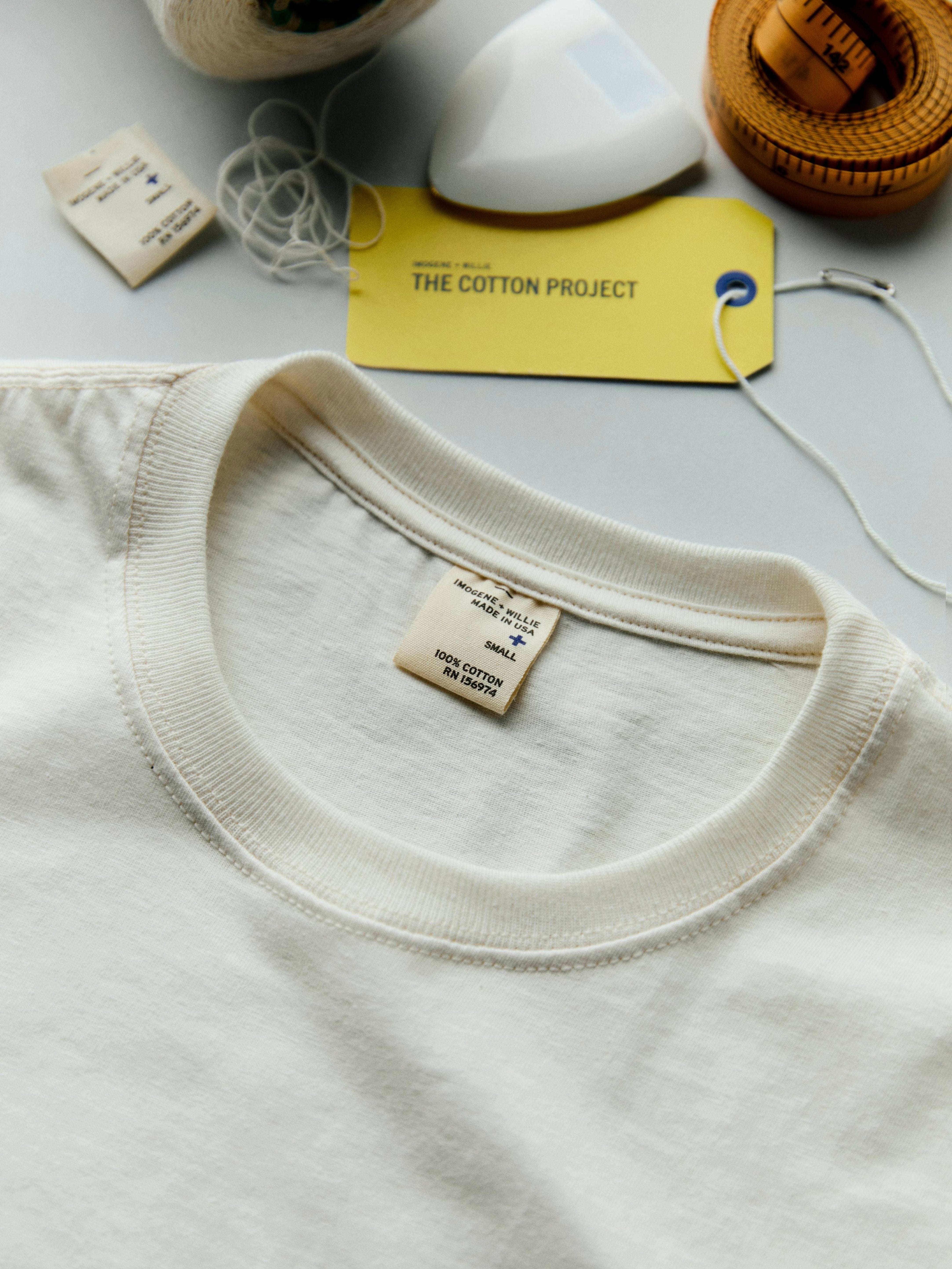
For a company whose reputation wasn’t built around sustainability, that began to change in May of last year, when imogene + willie launched The Cotton Project. Aside from building a brand from scratch, this was the most ambitious undertaking they ever pursued: farming, spinning, milling, and sewing a single T-shirt that was four years in the making, dating back to 2020.
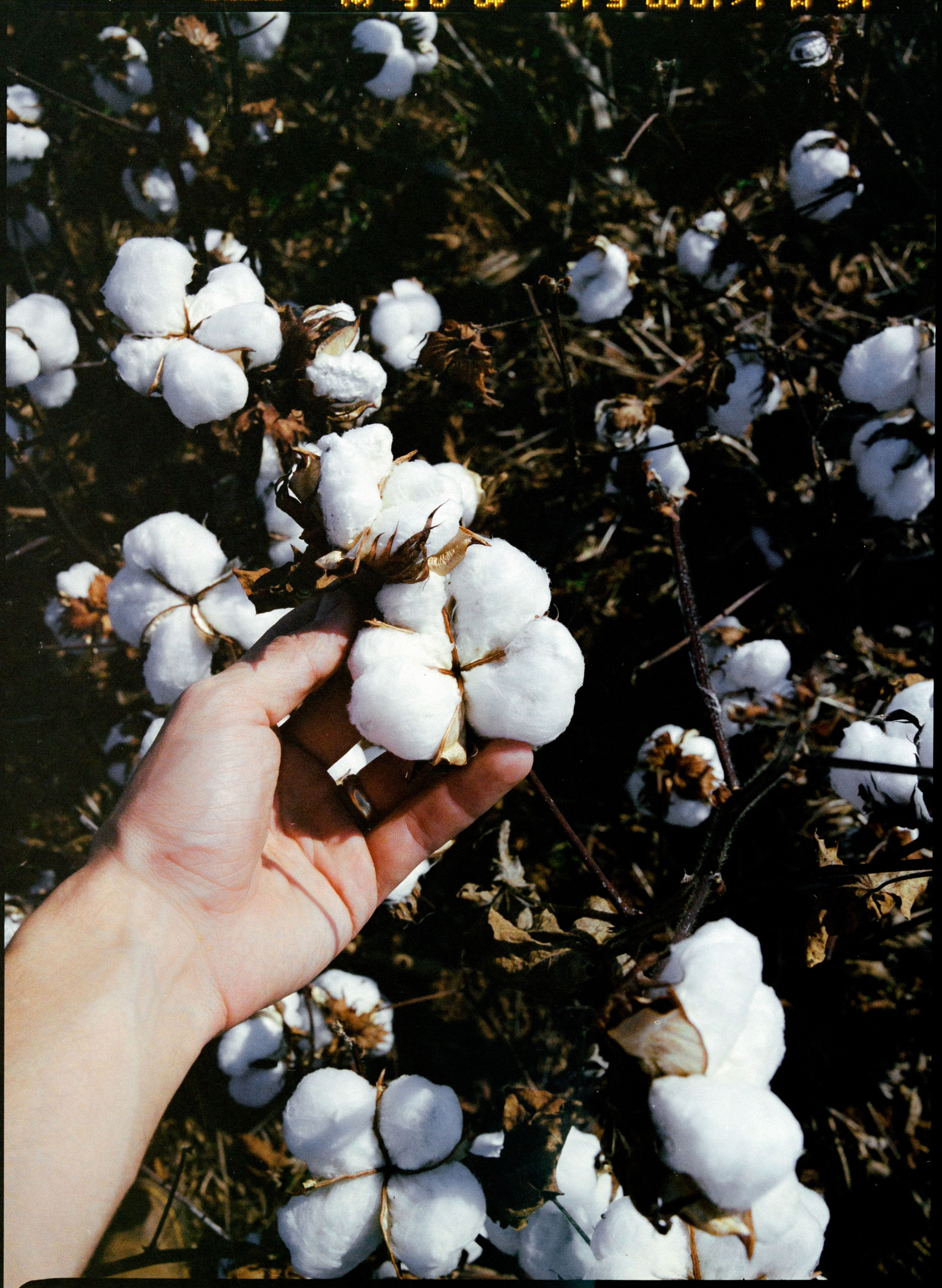
Every step of the process takes place within a 400-mile radius of Nashville. The cotton is grown at Martin Farms in Courtland, Alabama. Once harvested, it travels to Hill Spinning in Thomasville, North Carolina, then the yarn is sent to Dignity Apparel in New Tazewell, Tennessee. From there, the finished T-shirts are sold in imogene + willie’s shop in Nashville.
Berkley tells me that each T-shirt is made on tubular looms, which the team calls “the selvedge of T-shirts.” She explains, “They’re antique looms where you’re essentially making a giant sock-like pattern, but out of a T-shirt, so there are no side seams. You make the whole loop of the body, and then you sew.”
The project took years to bring to fruition, but its benefits extend beyond creating a quality garment for the wearer. It also offers advantages for the farmers and manufacturers involved. At its core, the initiative grew out of the company’s desire to get to know its cotton supplier and ensure that the people growing the cotton were being paid fairly. Berkley shares an astonishing fact about the industry: “I don’t know how many people know this, but the price of cotton hasn’t increased in, I think, nearly four decades.”
With that in mind, the company approached its farming partner with a proposal: “We want to pay you a premium of 25% over market value so that you can just keep growing, keep reinvesting in these practices, and all of that.” By paying a premium directly to the farmer, imogene + willie could also bypass multiple fabric brokers, simplify the supply chain, and keep production within a smaller geographic radius—all while reducing costs.
Denim at the Core
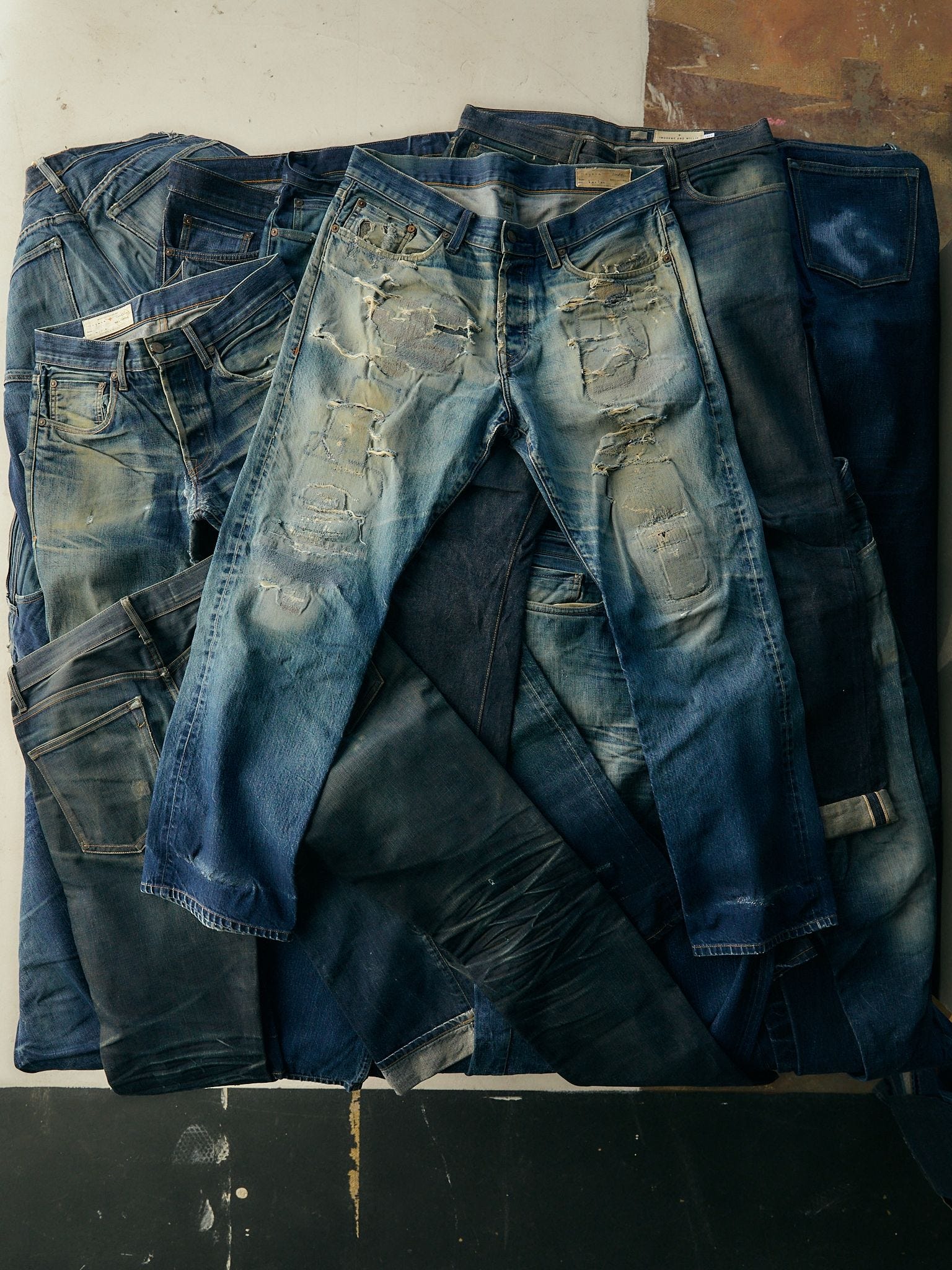
Selvedge denim and imogene + willie have been synonymous since the brand was founded. As Berkley puts it, “It’s the lifeblood of our brand, but I think that comes from it being the lifeblood of most people’s wardrobes.”
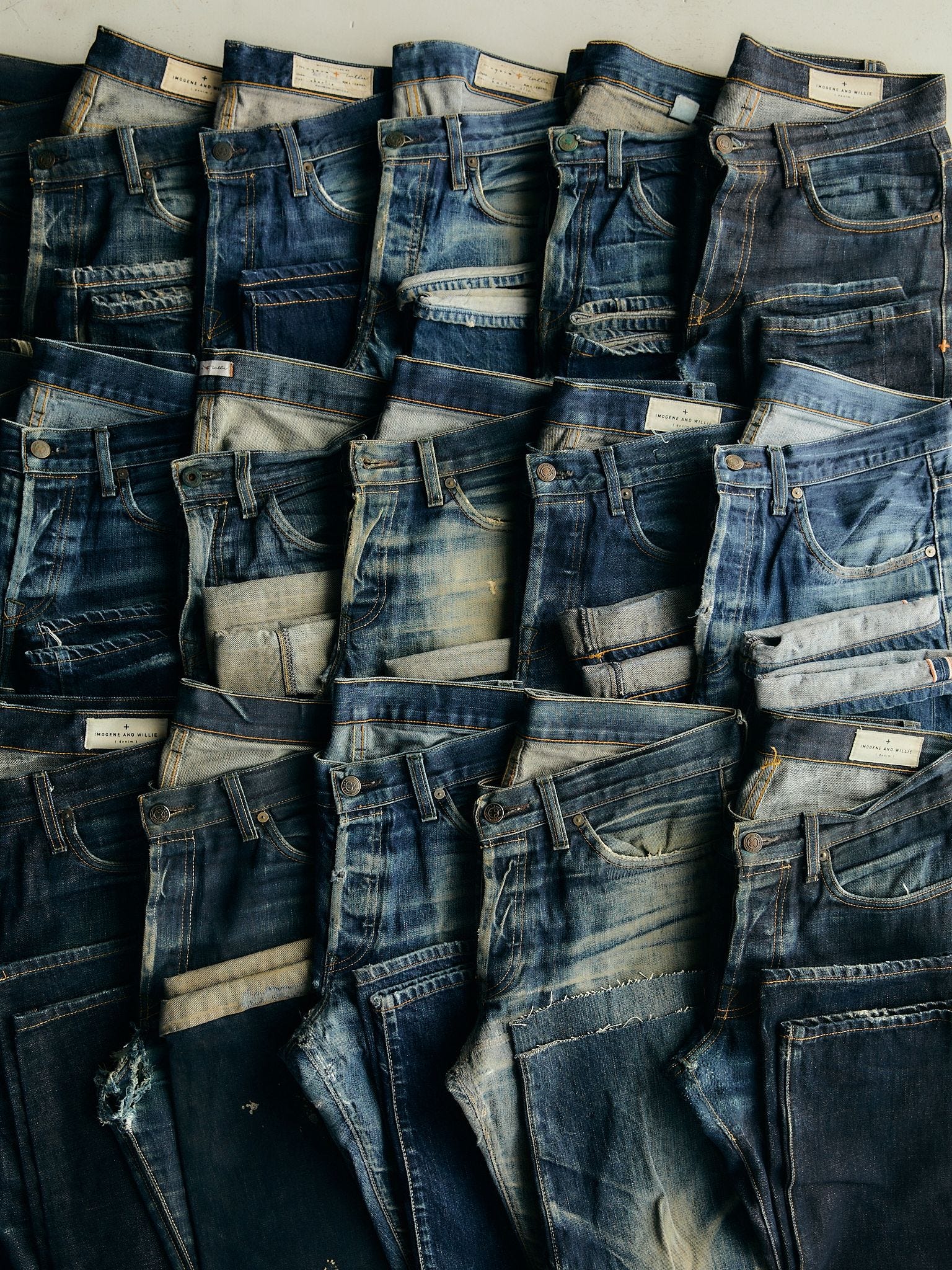
I’ve owned a handful of jeans from the brand, and I’ve always loved how they break in. You can even have the hem chainstitched, and they fit my body better than any other jeans I’ve owned. Denim has been the foundation of imogene + willie since the beginning, and while the company’s focus has waxed and waned over the years as it’s expanded its product offering, “we really, really never want to lose the connection to denim being the heartbeat,” Berkley says.
While some people are still discovering the brand and learning what selvedge denim is, there’s definitely an uptick in interest. Berkley recalls that some of the brand’s biggest years have coincided with shifts in the broader conversation around denim. She points to moments of cultural and societal turmoil, including the 2008 recession, the 2020 pandemic, and the prospect of another recession, as factors that influence how people spend money on their wardrobes. In times of uncertainty, jeans can be a more efficient CPW (cost per wear) investment.
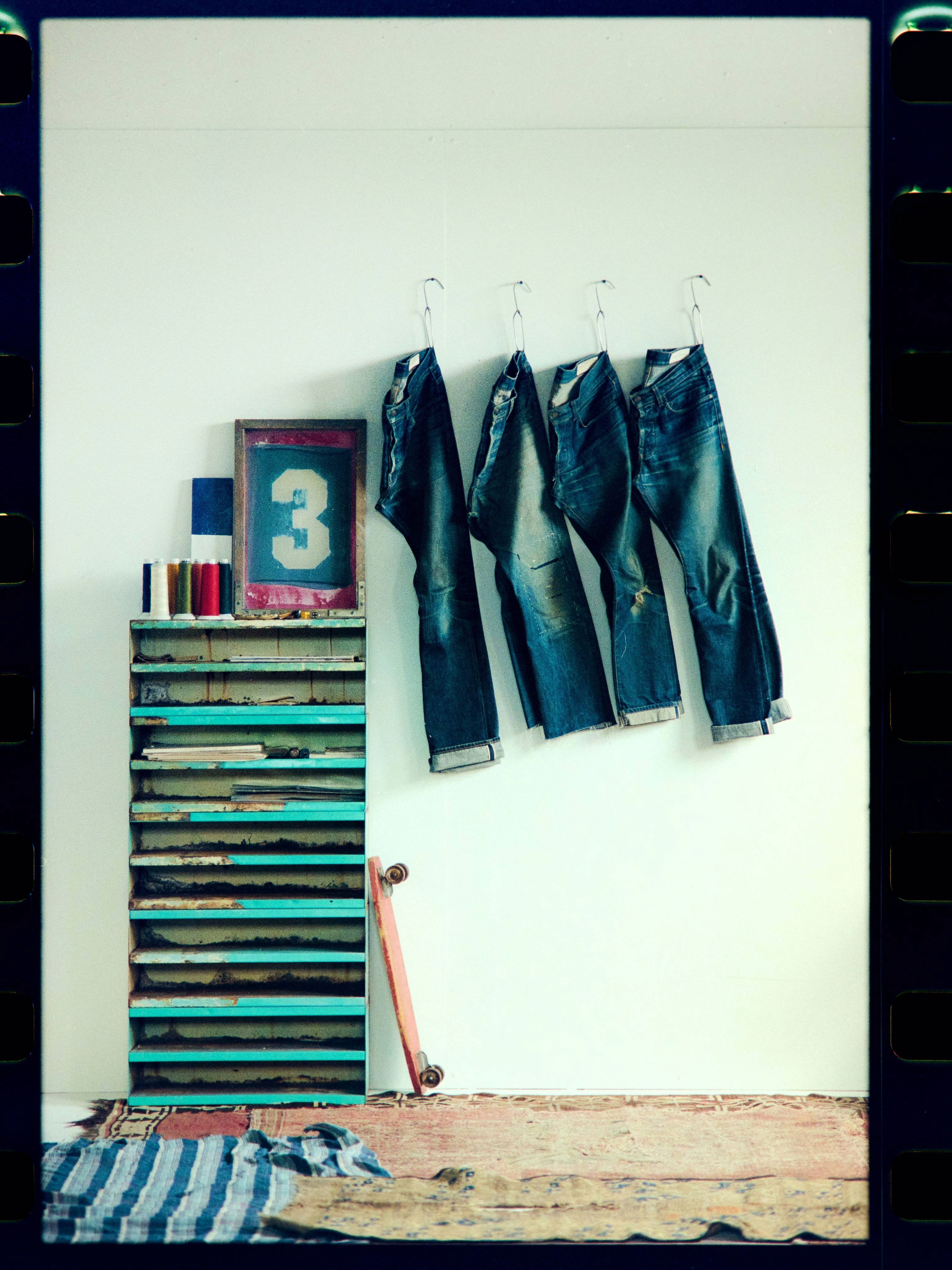
When I asked Berkley if she thinks jeans are recession-proof, she said, “Yes. From a manufacturing perspective, I mean, we’ve been riding these waves of ‘Where’s our denim going to come from?’ for the past eight years.”
Those eight years have been significant for the industry. In 2017, Cone Mills closed its White Oak facility, imogene + willie’s primary supplier of selvedge denim and the last remaining selvedge denim mill in the United States. The brand subsequently turned to Japan, where the craftsmanship remained exceptional, but the shift marked a significant change in its sourcing model.
So when the brand learned that Vidalia Mills had opened in Louisiana, it jumped at the opportunity to partner with them. Imogene + willie was actually the first brand to launch Vidalia Indigo Rigid selvedge denim. But after Vidalia Mills shuttered, the Draper selvedge looms moved from Cone Mills White Oak to Vidalia and, eventually, to Mount Vernon in Georgia.
That transition helped kick off the company’s Cotton Project denim. Mount Vernon has been in business for more than 175 years and became a prominent player in the denim industry in the 1960s, using automated, wide-width looms and serving as a primary supplier to brands like Lee and Wrangler.
Growing the Brand Without Chasing Trends
Scaling a company in a respectable way is challenging, but doing so with thoughtful collaborations helps. Two years ago, imogene + willie celebrated its 15th anniversary with 15 different collaborations. The through line was that each partner was a U.S. label that also made its own products in America (or needed to for the sake of the partnership). Imogene + willie won’t have it any other way.
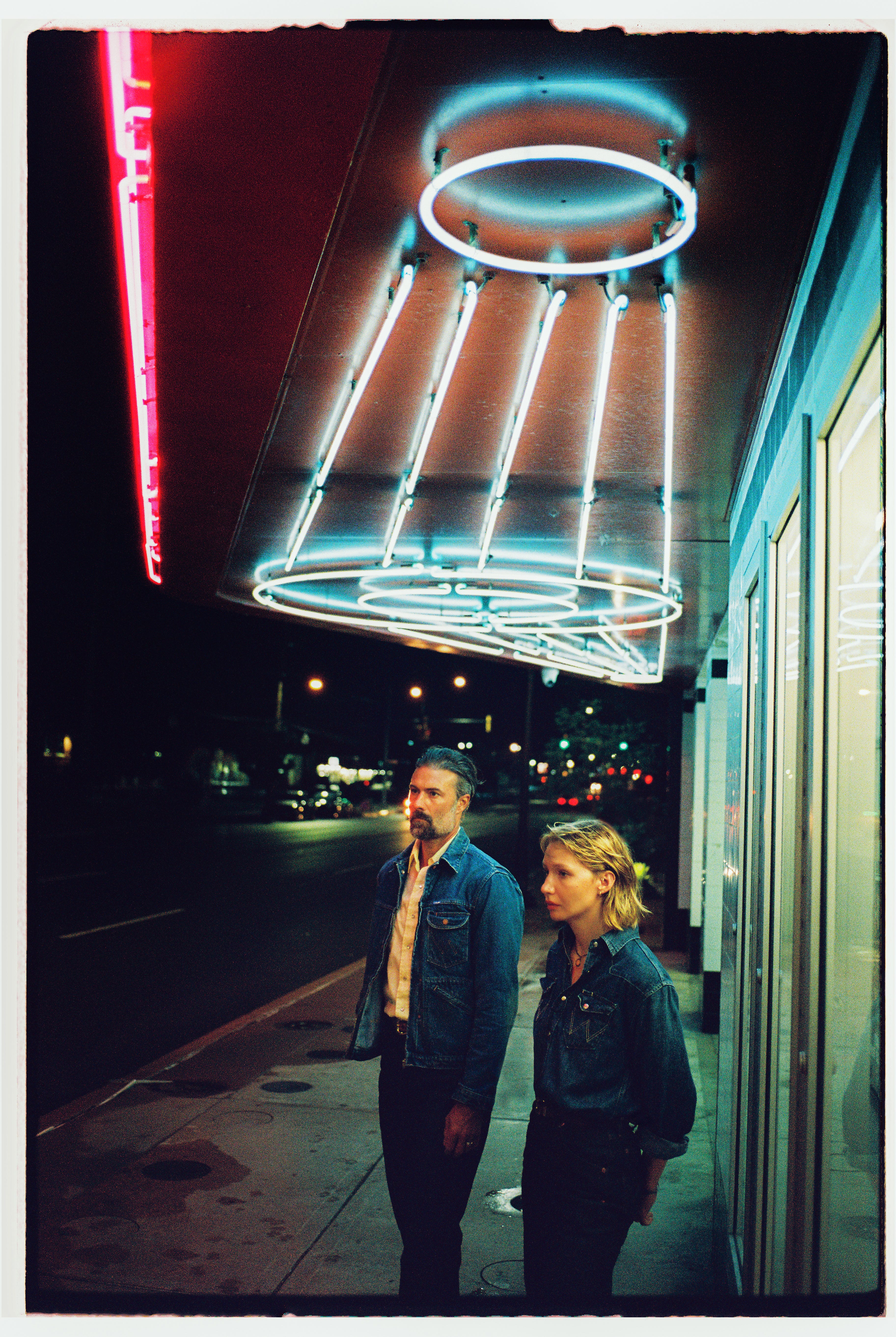
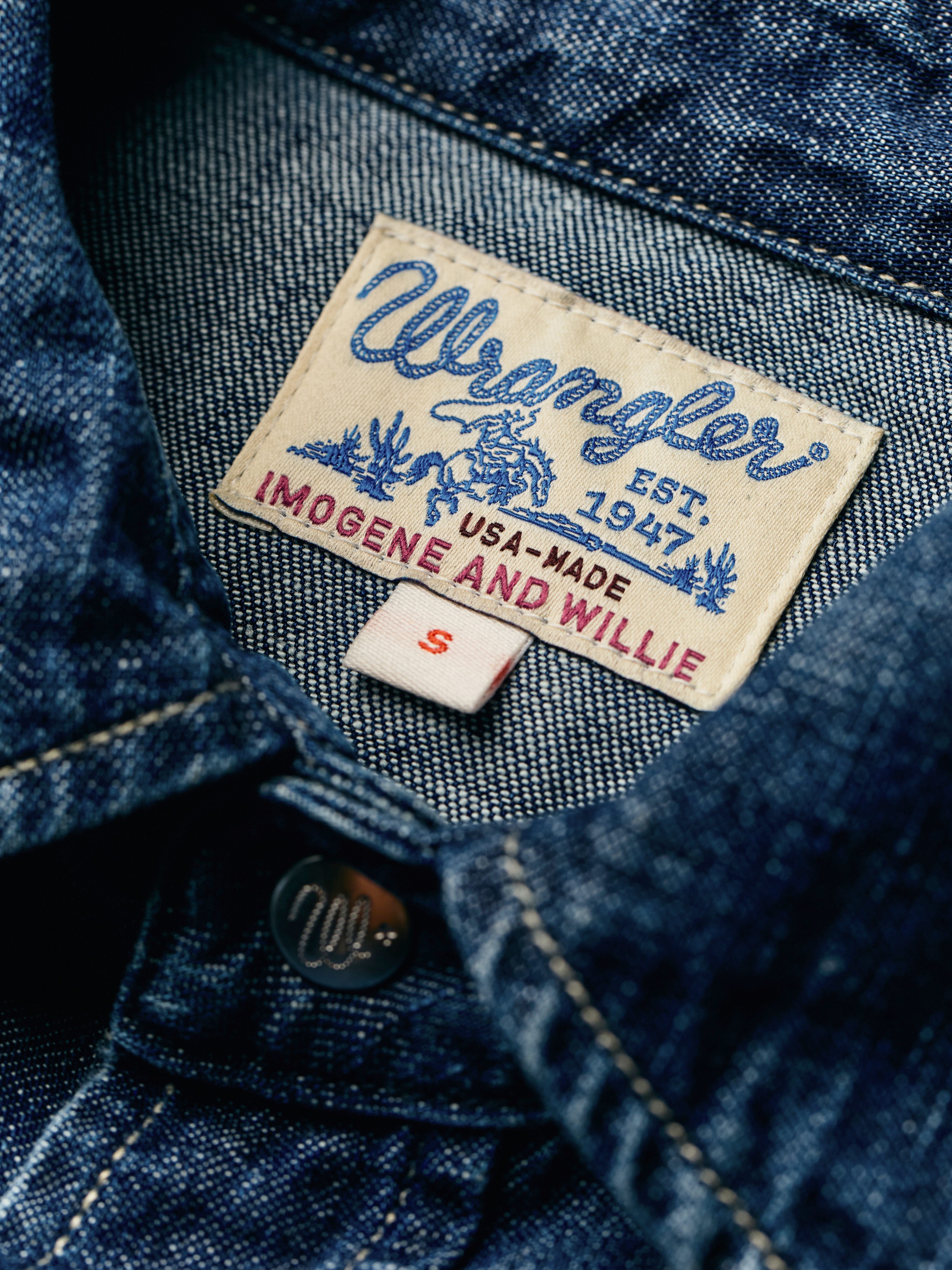
Teaming up with brands like Crescent Down Works, Sabah, Gitman Vintage, Schott, and Port Canvas in the same calendar year may have been what prepared the company for a dream collaboration with Wrangler. Berkley said the company approached Wrangler, and after they said yes, there was one major stipulation: “It has to be made in the USA.” The first two installments have already been released, with the third one dropping Friday, November 7.
“We try to lead with creativity,” Berkley says. She further adds, “I mean, that’s how we operate our own business, and so you know we never want to go into a partnership if it doesn’t feel aligned creatively and like we’re making interesting things that should be out in the world.” There are so many collaborations out in the world for the sake of putting out more product, further emphasizing, “that’s not really what we are.”
The Enduring Value of Making Things Well
For a company that feels like it’s finally hitting its stride nearly 20 years after getting started, that sounds like the ultimate success story. Brands like imogene + willie are important not only to the American-made denim market but also to the fashion landscape.
With each pair of jeans, they remind us why selvedge was the gateway menswear drug, the nuances of denim fades, and why one great pair of jeans will always tell an interesting story. Their supplier initiatives, new shops, and well-timed collaborations remain a recipe for another indigo-filled 20-year run.