

When I finally pulled the trigger on a Paynter jacket, it was their Batch 19 raglan.
Upon opening the package, I was amazed at how much thought went into the whole presentation. There was the jacket, but also a map of the Isle where fabric was woven, along with photos of the sheep, the mills, and weavers who worked there. The inner patch was gorgeous, and their little care notes were filled with whimsical illustrations.
I proceeded to talk about this coat over and over again to anyone who would listen. A coworker of mine couldn’t understand how (or why) I’d spend $700 on a coat and so I started sending her photos of everything: the coat, the map, the photos they included. I forwarded her the email updates I got from Paynter with videos of the whole process.
I told her about their strategies to minimize waste and only produce what was needed for each batch. And her response at the end was perfect: “I can’t believe you got me to care about a jacket so much.” She even hinted that she would like to own one herself in the future.
In a world where customers are so removed from the stories and people who make their clothing, Paynter has gone all in on making the story as much of the product as the product itself.
I got to talk with Becky and Huw and what was supposed to be a 45 minute call became a 2 hour hangout. I wish I could include all of it, but for the sake of time here’s what stuck.
Back in 2021, Sprezza sat down with Huw and Becky at the drop of their seventh batch. Their first had sold out in 14 minutes.
Their second in 3. They were two people making limited-edition jackets in quarterly drops, building in public, and betting that customers would wait — and care — if the story was worth telling. You can read that original piece here.
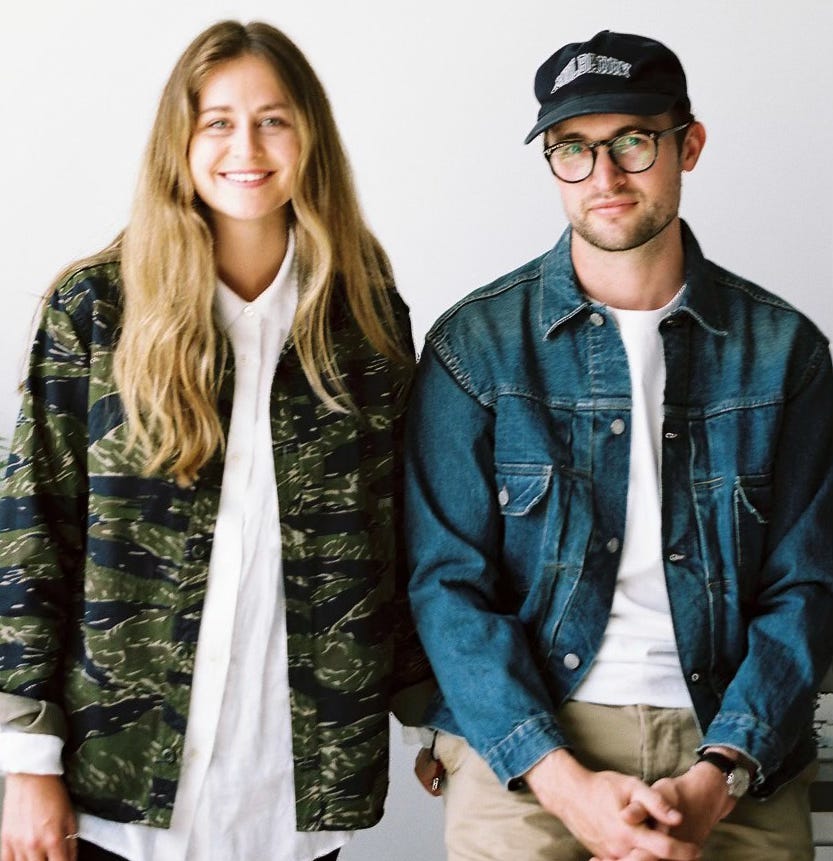
When I asked Becky to describe what’s changed since then, her answer was clear:
BECKY
“We’ve always made limited edition jackets in Batches, and we’ve stuck to it. In a way nothing has changed - our jackets are still limited, with a story to tell and a point of view. We always take customers behind the scenes so they see them being made’. But behind the scenes, so much has changed, we’ve grown up as a business, quality gets better with every Batch and the systems we’re built on are like night and day compared to Batch No.1.”
Huw added what I think is the more important context — what it actually takes to operate this way as a company of two:
HUW
“You’re managing production, doing the design, doing the customer service, setting up fulfillment centers in three different countries, managing taxes... compared to other brands, it looks like we’re doing bugger all.”
Up until this point I had no idea it was just the two of them behind every batch, every email, every instagram post. A month before this conversation, they hired their first part-time employee. They also had a son nine months ago.
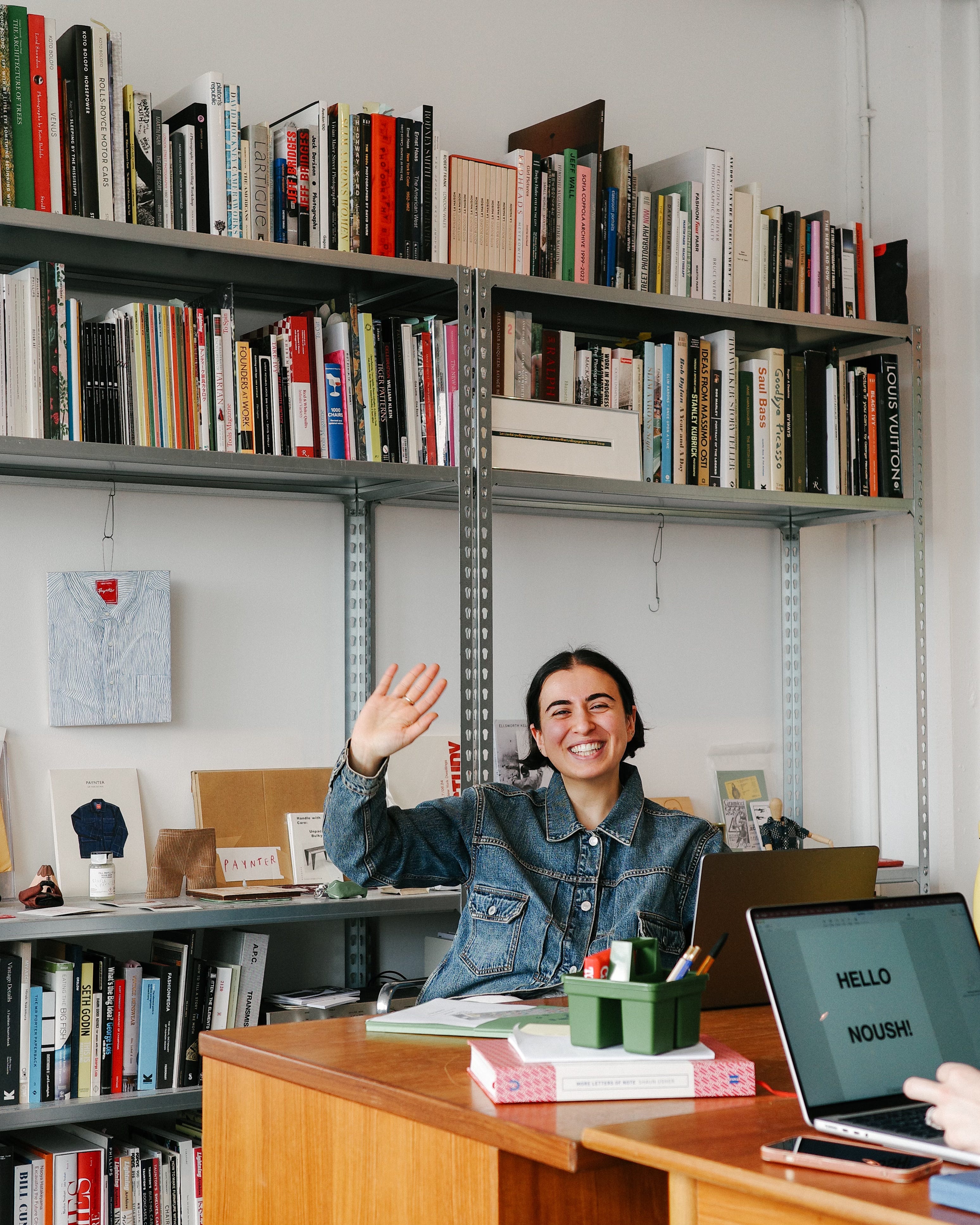
Their pace is intentional, not lazy.
BECKY
“I think it takes us at least a year, probably, from the very first sketch of an idea until something’s in production. And sometimes it’s longer — which is actually a massive bonus. If we love the idea when we first ask our factory to develop it, and we still love it a year in, then that product has longevity. We’ve got time to keep improving. We don’t want to ever make something and think that the next version will be better.”
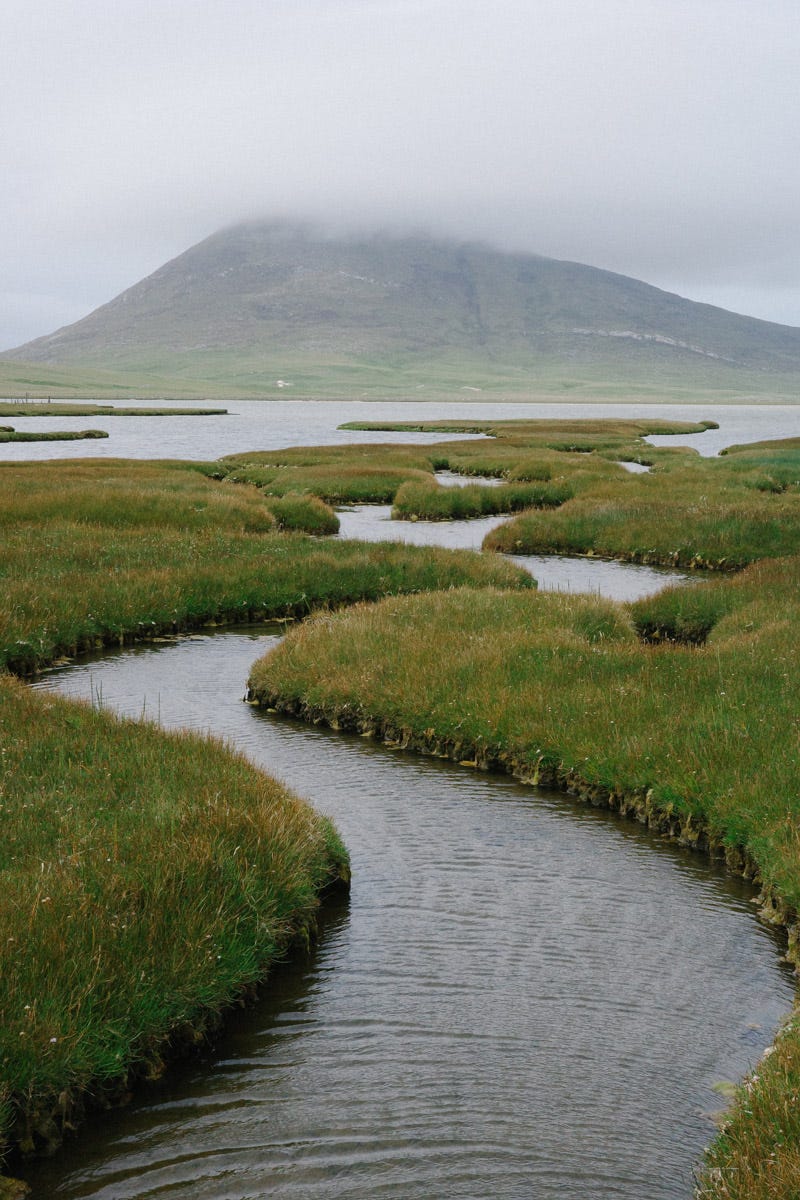
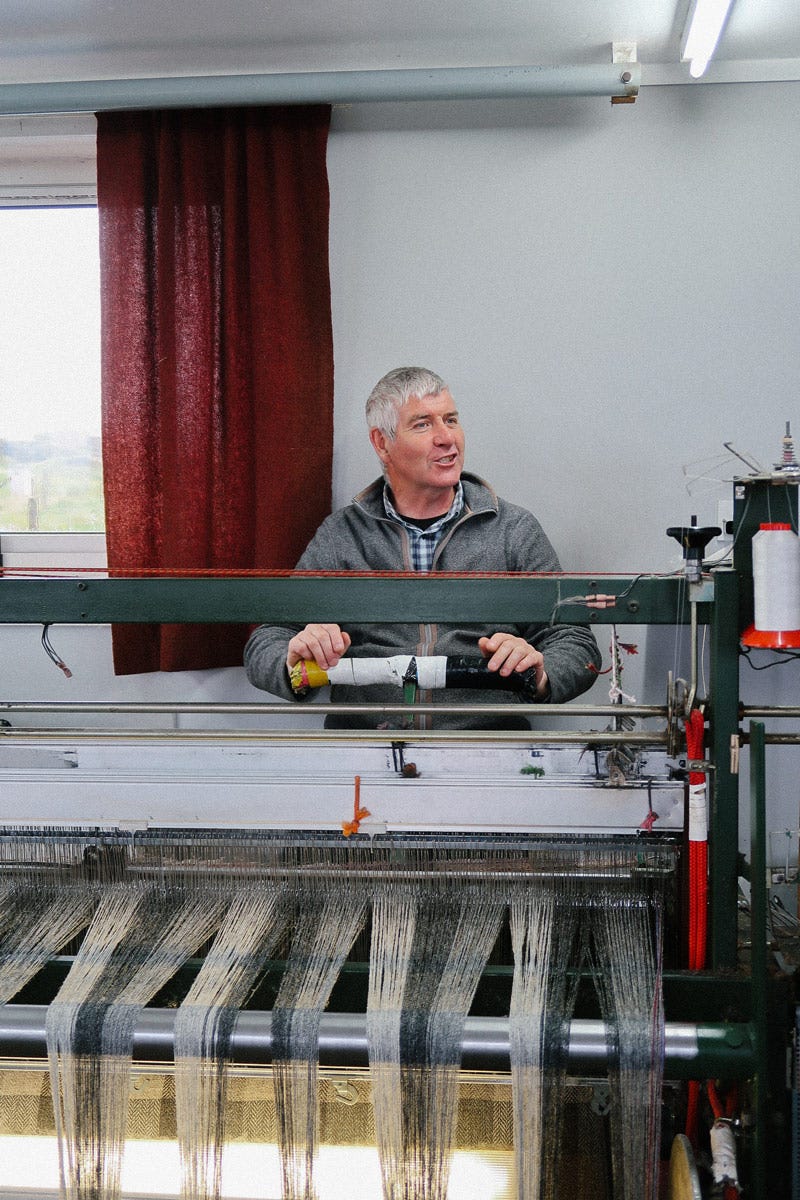
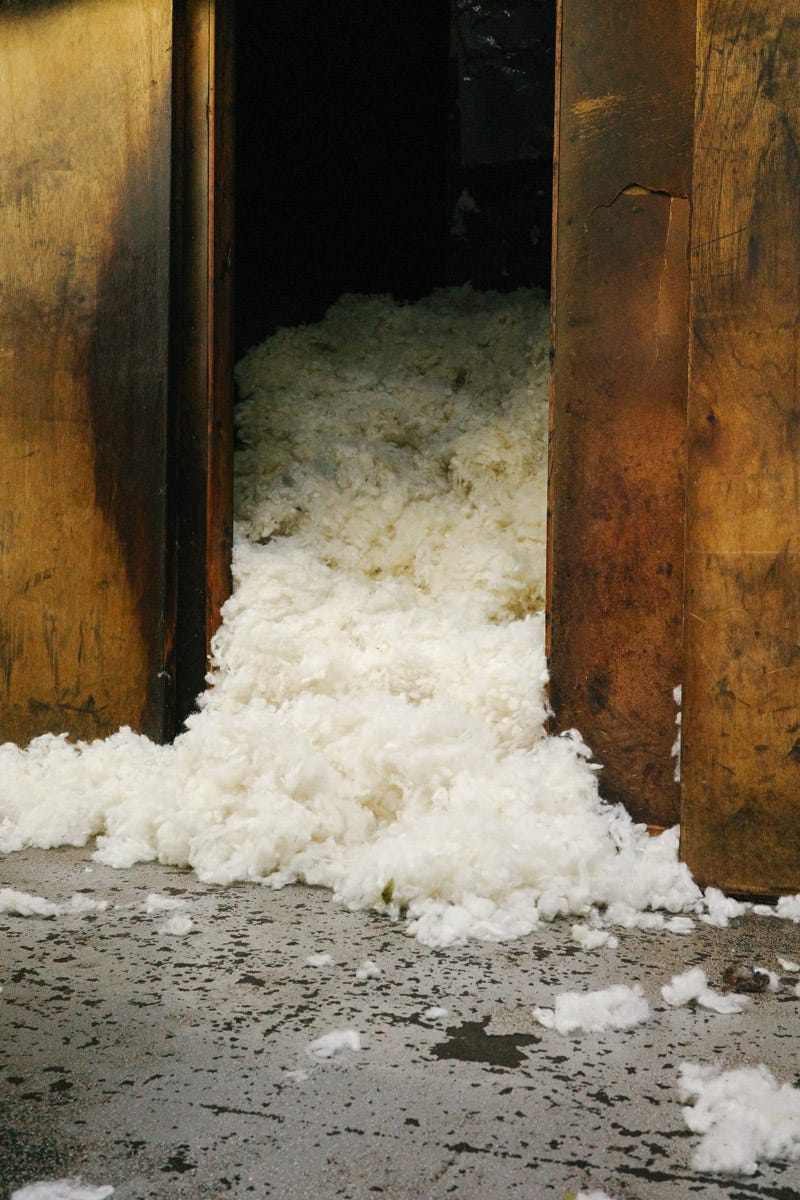
These three photos were printed and mailed to me alongside the coat. Seeing where something comes from, and who made it, really solidifies the bond to that thing.
The making-of updates that Paynter sends during production have become one of their most recognizable things, and my favorite part of the process apart from receiving the coat itself. Videos from the factory in Portugal, photos from fabric mills, even voice notes from their contact Sergio on the floor. I asked when the decision was made to make that a core part of the brand.
BECKY
“Batch 1 sold out in fourteen minutes, and it was wild. We never thought that would happen. And I think it was that day that it hit us — we’ve got 300 customers now, and they’re waiting eight to ten weeks. So we went over to Portugal during production and videoed as much as we possibly could. And Sergio from our factory would take a product outside, into the sunlight, take a picture of the latest updates, and WhatsApp them to us. Sometimes he sent voice notes that we’d share with customers.”
One thing Becky & Huw did repeatedly was mention people that they worked with by name, but not the way you would a coworker, more like how you’d call a friend. Shortly after talking about Sergio, they mentioned a videographer they worked with named Vitor who worked 40 minutes from the factory in Porto and would ride over to shoot footage in real time. They mentioned Ian, one of the weavers who helped make my own coat. The relationships and stories they tell bring you in on the journey.
The storytelling has gotten bigger and more complicated, but the spirit is the same as it was at Batch 1.
HUW
“If we had a store and someone came in and picked up a piece — it’s exactly what I’d want to tell them. That’s the starting point.”
The result checks out: return customer rates run around 60 to 70 percent per batch. And occasionally in more unexpected ways. They told me the story of a customer of theirs who had briefly corresponded with them via email who knit and mailed two hats, a jumper and a blanket for their son. She was based out of the US. The Paynter customer feels like they’re a part of the bigger picture because of how intentionally they’re kept up to date with the process of every batch.
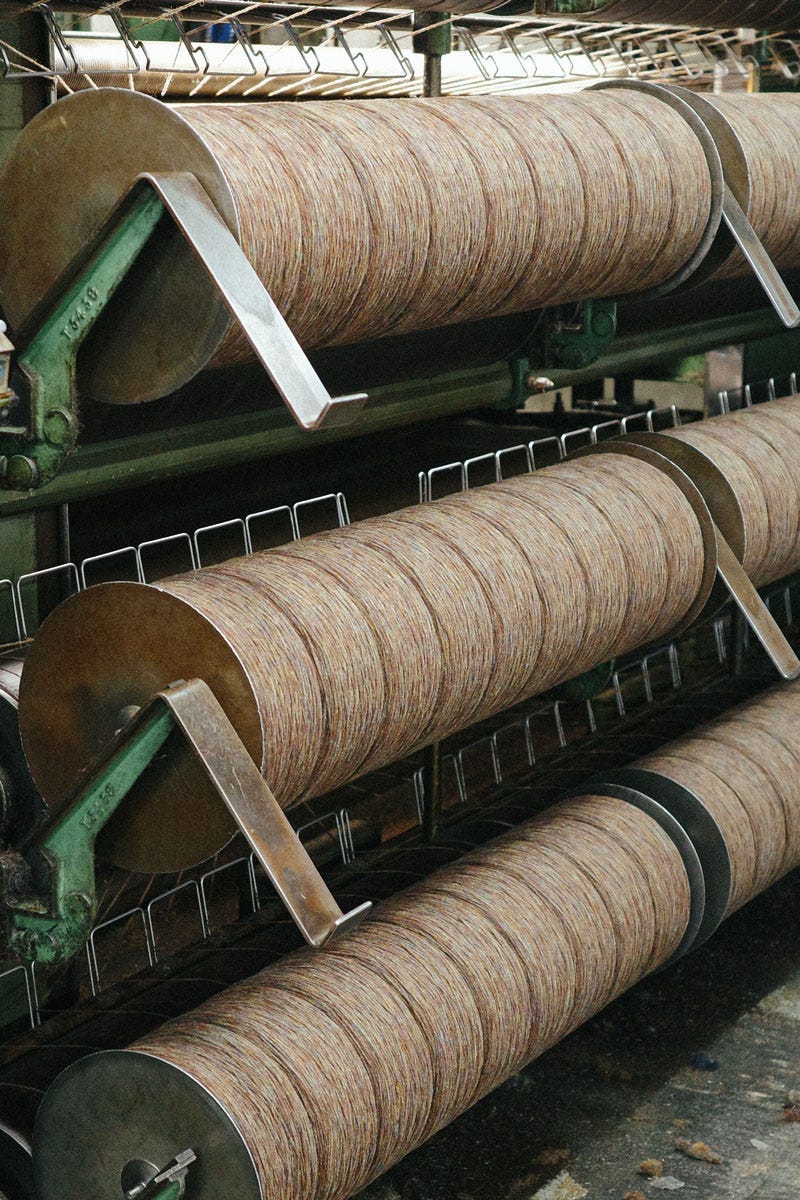
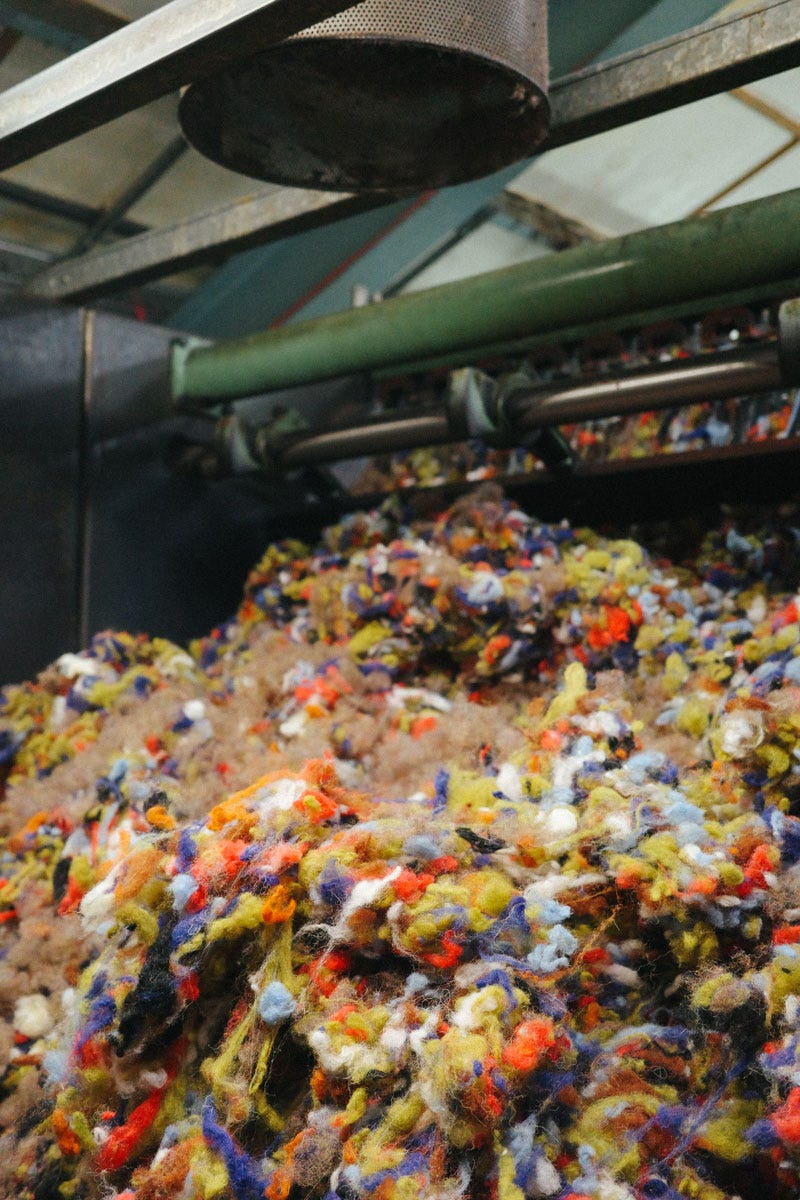
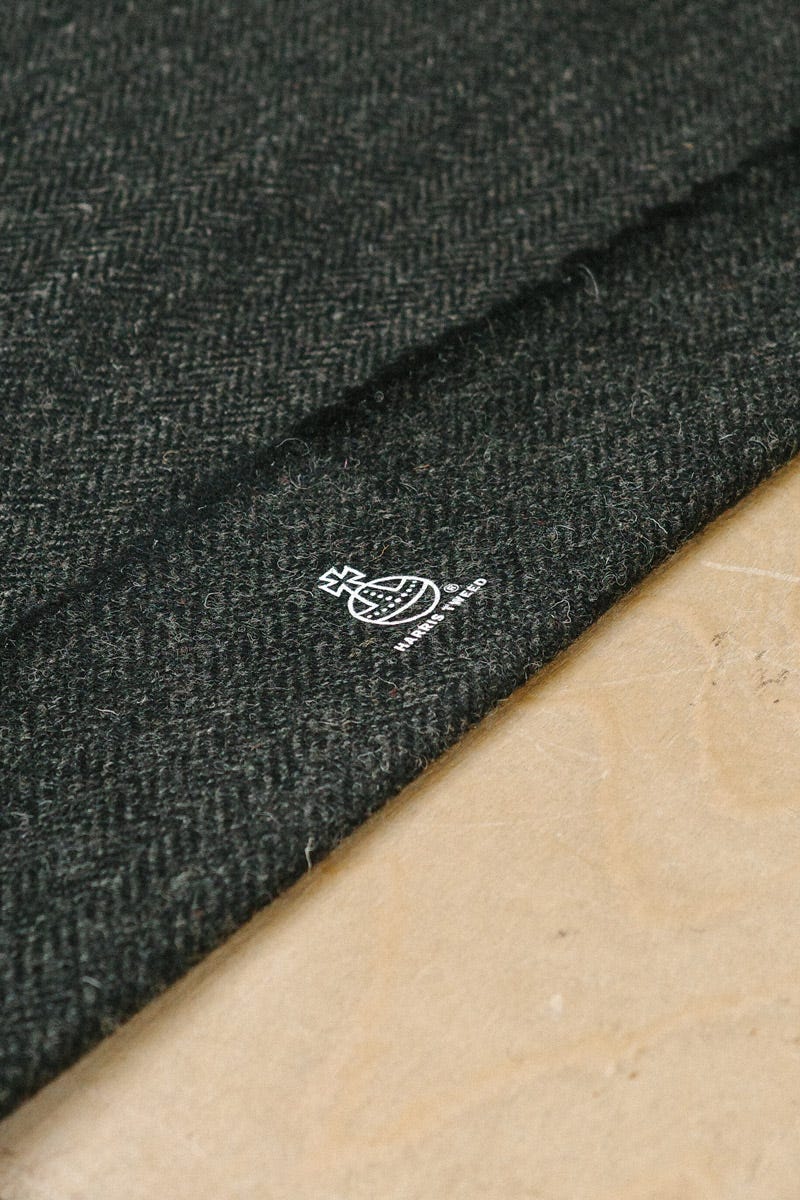
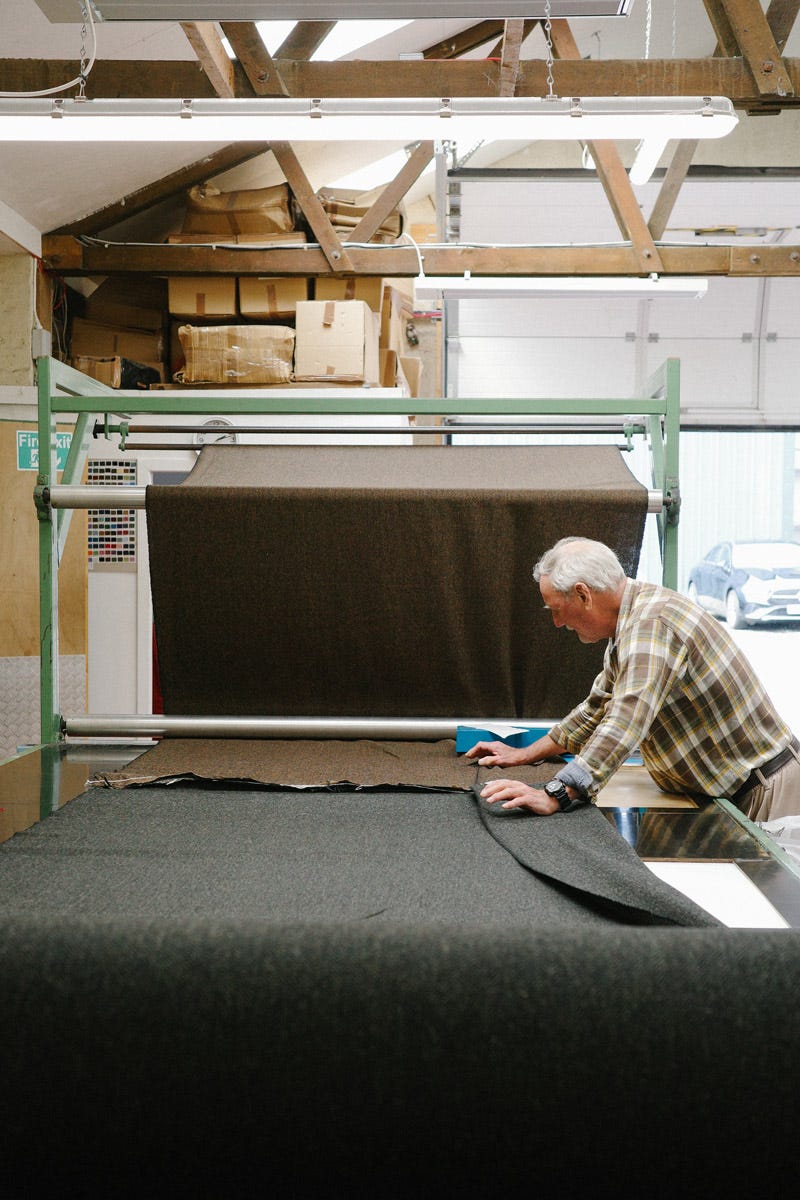
I asked how they even find these stories in the first place — the weavers, the mills, the details that end up in those emails. Huw’s answer was clear:
HUW
“You have to visit. The best stories come from visiting. Going to the Isle of Harris and Lewis and actually talking to Ian the weaver, having tours of everywhere, seeing behind the scenes — you learn about what everyone does, how old everyone is, their temperaments, their story. We wouldn’t have known our corduroy was brushed 64 times if we hadn’t gone there and asked.”
You don’t find that detail in a press kit, and I think that’s the whole point.
That kind of obsessive attention to process doesn’t stop at storytelling. It shapes how they think about everything — including the part of the conversation most brands treat as a marketing checkbox.
Sustainability is a buzzword that’s thrown around too loosely nowadays. I asked how Paynter stays credible when the word has been used so much it’s started to mean nothing.
HUW
“We don’t talk about it. We just do it. If you go onto our website, we don’t talk about sustainability much. We’re not making any promises. We think our business model is a potential solution — everything’s made to order, so there’s less waste. You go to some mills and they’ve got 50,000 plus meters of fabric left over. You go to archive sales and it’s just warehouses full of clothes that haven’t sold. That is like a nightmare.”
BECKY
“We make as many as we sell. We order the fabric for that batch. There’s no extra. And we hope that by letting people see how something is made, they’ll take much better care of it. It will last longer in their wardrobe because it matters to them. We don’t say we’re a sustainable brand — that’s not the first thing that should be interesting. The product should be inherently good.”
And then Becky said something that I keep coming back to — a distinction that’s quietly at the center of everything Paynter does:
BECKY
“The word value is so interlinked with price and being a low price, whereas actually value is surely personal. It’s what it means to you. It can be so inflated with meaning. Value doesn’t mean budget. It means sentiment.”
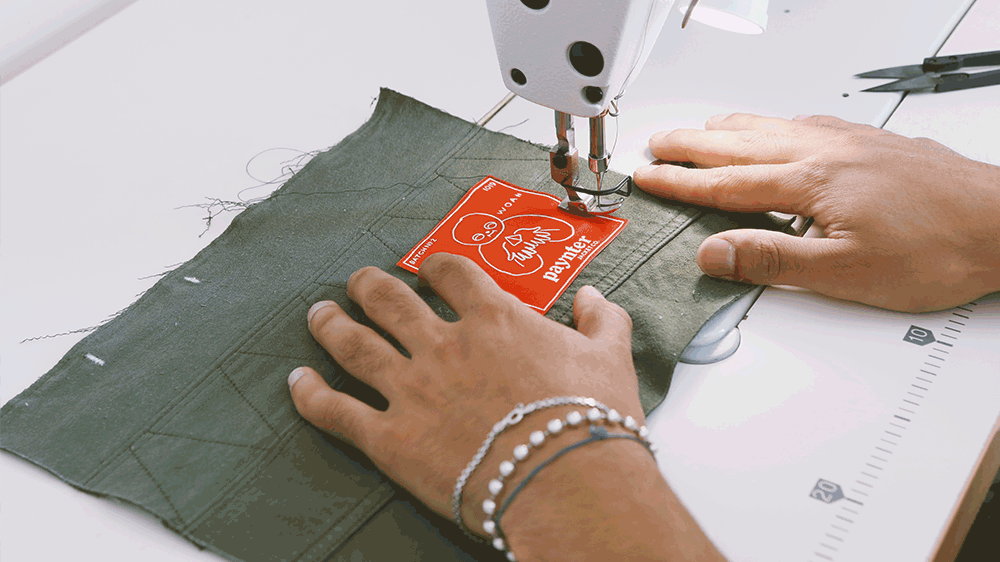
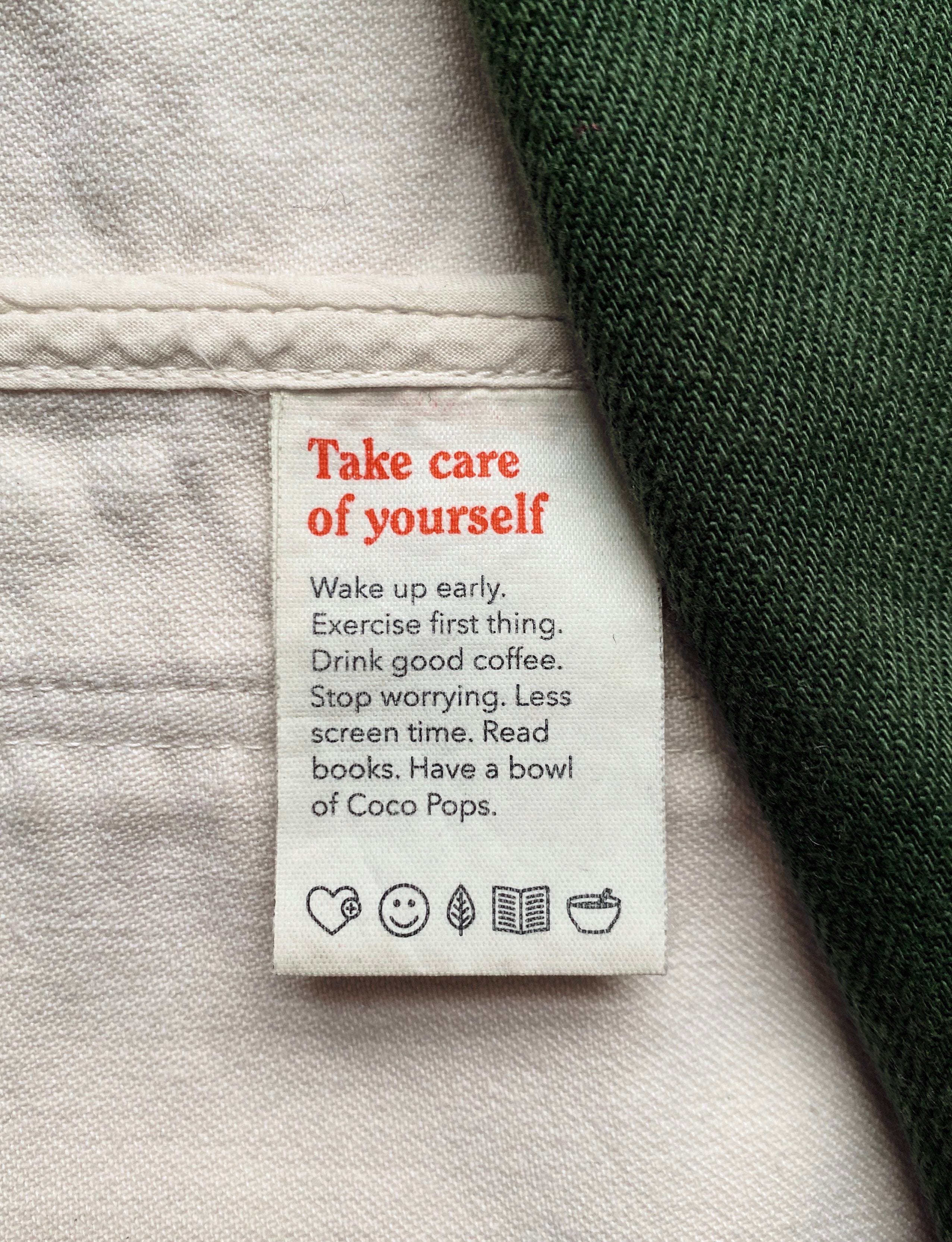
The inner patches are a part of the coat itself, along with the care instructions and small details found with the packaging.
Every Paynter batch has a label designed by a commissioned artist. The brief is always constrained: 76mm × 76mm (the same size as the Post-it note the business was originally sketched on), two colors, a few anchors inspired by the New Yorker masthead. I told them I spent close to twenty minutes with the map illustration that came with my Raglan. Becky explained the thinking:
BECKY
“We never actually told anyone about the limited edition label with Batch 1. That was one thing we kept as a secret surprise when it was delivered, because we always like to hold something back and send a little treat. They now are part of the things we share about the jacket in advance, because they’re a huge part of it for us too. We’ve got a massive folder of artists and designers we’d love to work with and commission artwork for one day. Sometimes we’ve got a story in mind and we look through that folder and wonder who feels like the right person to commission each time.”
For their most recent batch, the brief was about influence, the layers of references that go into a single coat. American hunting jackets, British fishing jackets, workwear, fly fishing. Huw described it as a jazz band riffing: without the drummer, the bassist has nothing to play off.
HUW
“We needed to find an artist who was essentially a musician as well. We found Max Kisman, who’s based in Amsterdam, 72 years old — our most senior label designer. He loves music, plays in bands still. He came back with something really playful, quite abstract. It was perfect.”
BECKY
“It’s a very unusual canvas. Very few projects are 76 by 76 millimeters. You can only work in two colors. Amazingly, most of the time when we reach out to designers, people do want to do something.”
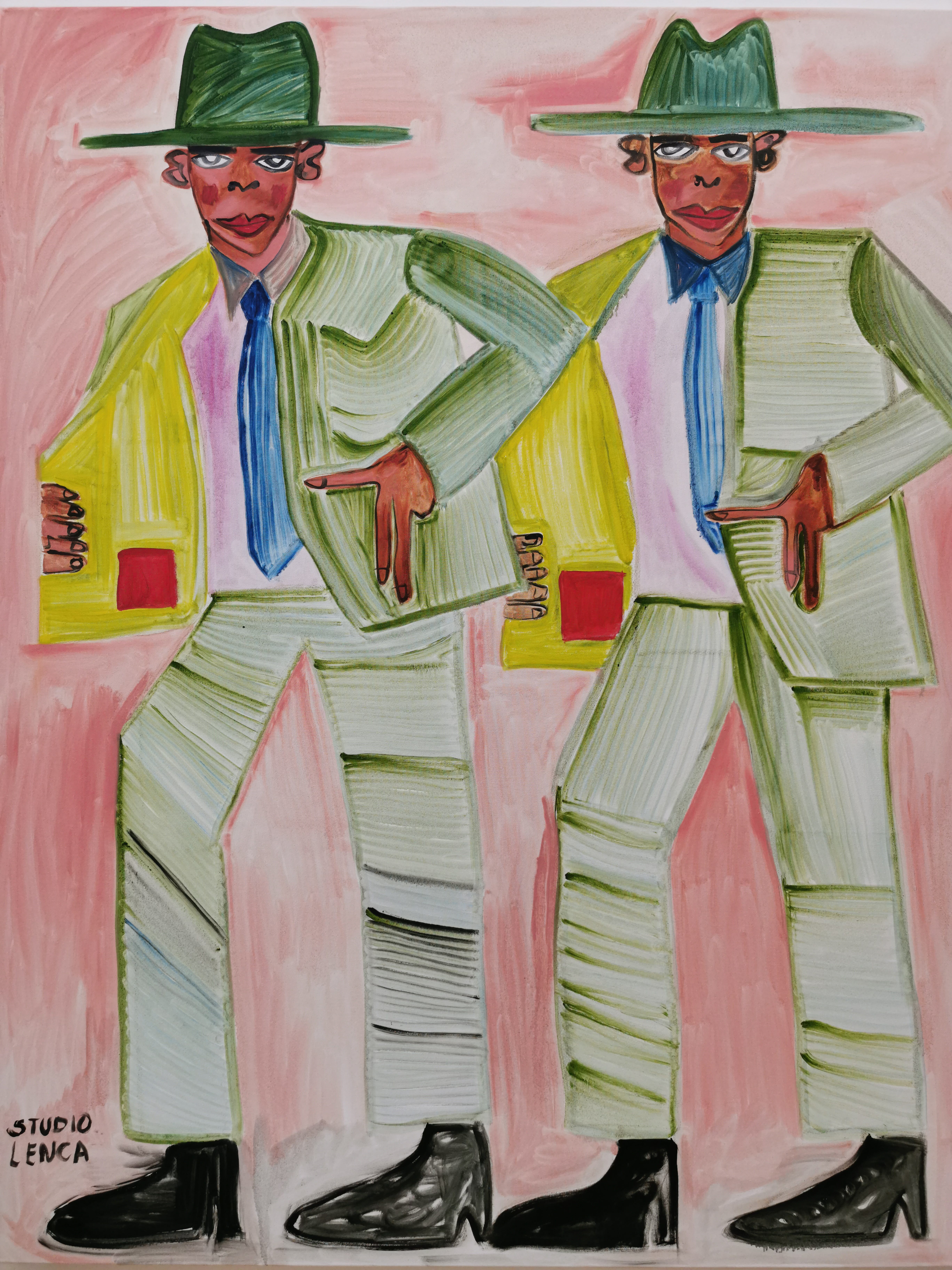
I have the map that came with my batch in my living room now, trying to flatten the edges to get it framed nicely. It’s not just a patch or promotional packaging, it’s genuine, intentional artistry included in every shipment.
Paynter drops roughly four times a year, with micro drops in between. With the growth they’ve seen, I asked what keeps them from ramping it up.
BECKY
“Truthfully, from a conscience perspective, we don’t want to make an unnecessary amount of things. But more to the point — we couldn’t work harder than we do. And we want to do very few things, really well made, that we have a lot of passion about and can communicate that energy to other people. I went into a retail store in central London a few weeks ago and just came back feeling a bit sick. So much stuff. One clothing brand nearby us just came back from Paris and showed a collection of 600 pieces. That’s like 60 years of Paynter.”
HUW
“We’re both runners. We love long distances. We kind of bring that energy into the business — we want this to go for a long time, so we need to keep our tempo really consistent. If we sprint, we’re going to burn out. We’d never sell, because what we’re doing is what we’d want to do. Why jump ship?”
Paynter has two things dropping in the near future that I think you should know about.
First, a quilted vest, but not the kind you’re picturing. Made by the world-class Italian outwear specialists Olmetex, this water repellent twill fabric is lightweight, quick-drying, and easy to care for. It’s inspired by 1960s mountaineering outerwear made from high-quality cotton and nylon with a luxuriously soft showerproof finish and recycled viscose lining. The double zipper is a nice touch. This goes live on May 1st.
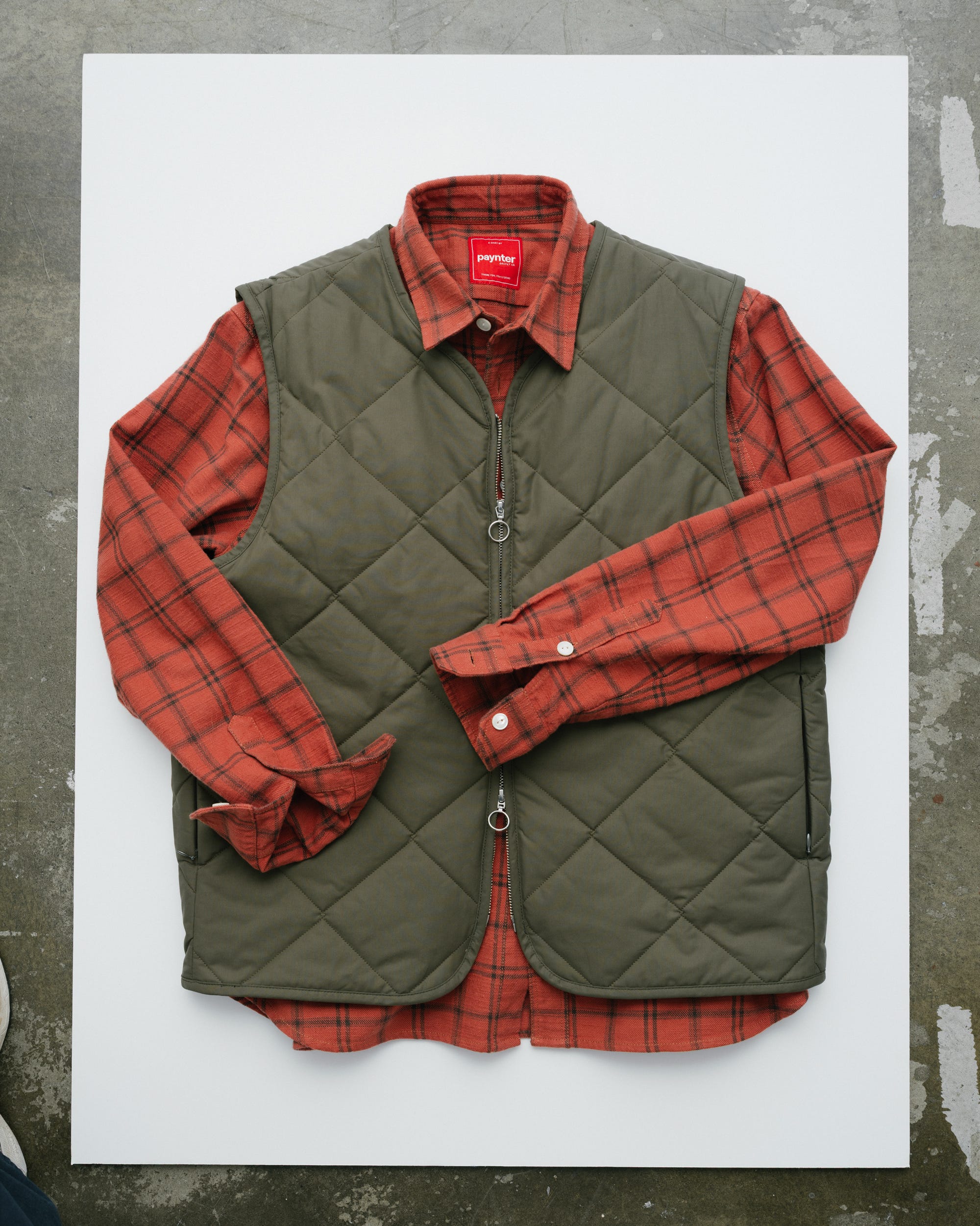
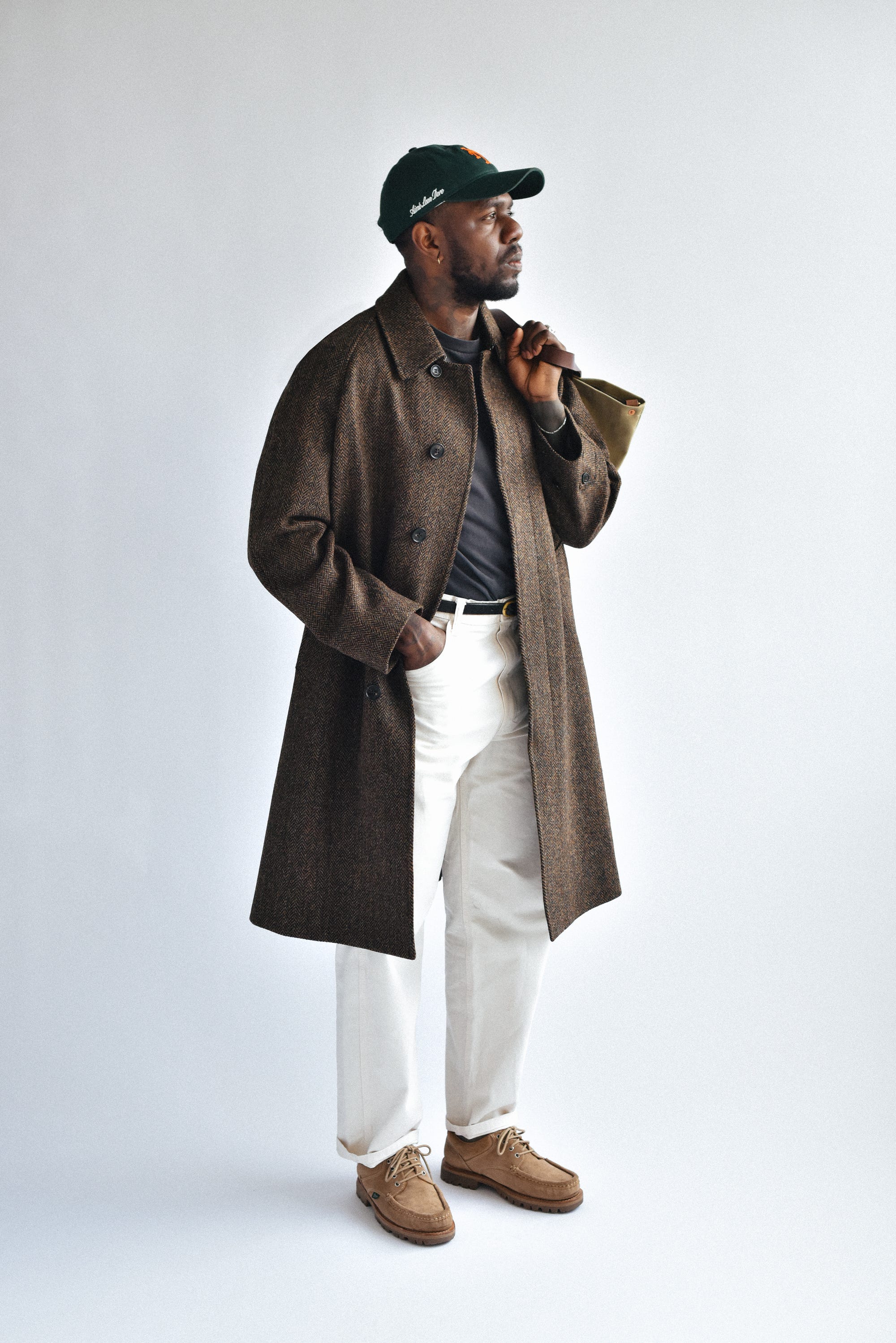
Microbatch vest and the original Raglan, soon to be brought back.
Later this year, the Raglan returns with a twist. I can’t give too much away, but this quote should be enough to keep you hooked:
BECKY
“Three raglans of the completely same silhouette and cut, but three completely different stories to tell.”
You’ll have to stay tuned to find out more.
I think as time goes on, there’s this expectation that brands have to scale to grow bigger and bigger. What I find refreshing about Paynter is that instead of making more things and telling you to buy more and more, they’ve found a way to produce jackets and vests and shirts that are so good you don’t need to purchase anything else. Throughout the interview itself, and even once it ended and we just kept rambling, I loved hearing how Becky & Huw genuinely believe that we don’t need more okay things, we just need a few really good things to keep around for a long, long time.
I can’t wait to see what the future holds for Paynter, and I hope when we get to chat again that I’ll hear the same thing about their process: “In a way nothing has changed.”
Thankful to Becky & Huw for making time to chat and explain their process. One important thing to note: For the past year and a half, Paynter orders have only been available to newsletter subscribers. If the fabric sells out during pre-order, there’s no public launch at all — their website is sold out before most people ever see it. If you’re looking to buy one of their batches, subscribe at paynter.co.uk.