

When I think of Detroit, I think of a city of makers.
From J Dilla crafting Donuts and Berry Gordy producing some of Motown’s greatest hits at Hitsville U.S.A., to Carhartt’s double-knee work pants and Ford’s lasting imprint on the automotive industry, Detroit has always been a place where things get made.
These days, it’s also home to my favorite T-shirt maker: Soft Goods.
Their Heavyweight Tee feels like the T-shirt equivalent of Red Wing’s ubiquitous Moc Toe boot—substantial, dependable, and somehow better every time you wear it. But Soft Goods is more than its private-label offerings.
The brand operates its own manufacturing facility in the heart of Corktown, one of Detroit’s oldest neighborhoods.
Founder Josh York has been making T-shirts since he was 12 years old. “My original brand was called York Project,” he says, recalling his first taste of entrepreneurship while working in corporate retail.
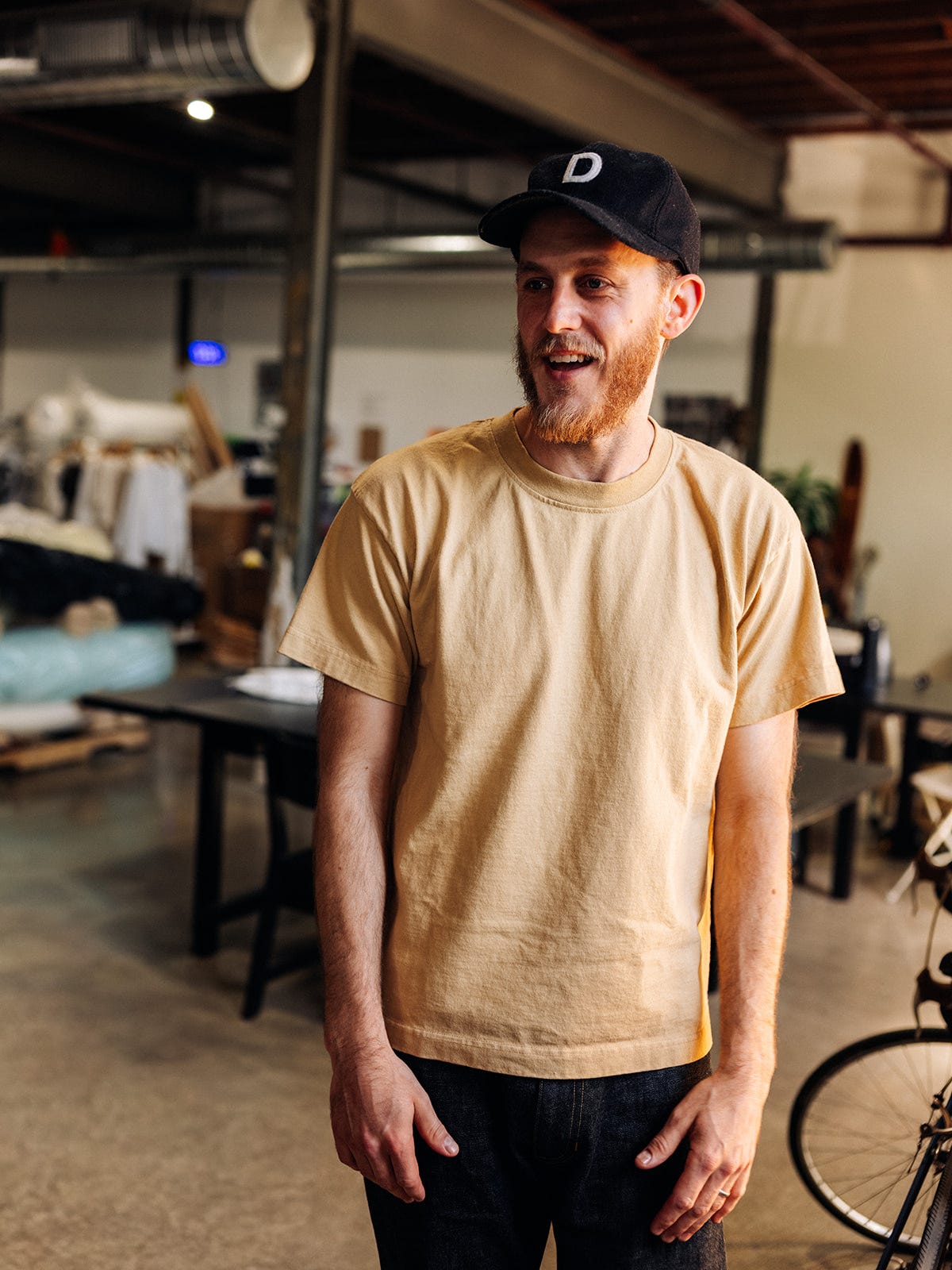
Today, Soft Goods employs 19 people at its Detroit factory while managing production across five additional facilities in Pennsylvania, New York, and Illinois. “What I’ve realized is that people come to us because we’re really a logistics company,” York says.
Whether a client arrives with nothing more than an aspirational sweatshirt they want recreated or a stack of detailed tech packs, Soft Goods handles the entire process. “We’ll manage the pattern, source the fabric, oversee production, and handle shipping.”
The company also white-labels for some of menswear’s most respected names, including Aaron Levine, American Trench, William Ellery, Manresa, and William Frederick.
It all happens domestically, with a healthy dose of Detroit grit mixed in. “When you say something is made in Detroit, people associate it with a city that has made products that have moved the world,” York says.
Back in May, I had the chance to spend a day with Josh and the team at their factory. He walked me through the production floor, showed me a cut-resistant glove that looked like it belonged in a medieval movie rather than a sewing facility, and talked about what “Made in America” means to him.
We also discussed how his relationship with menswear deity Aaron Levine began, and what the next decade looks like for both the brand and the business.
Special shoutout to Josh, Alex, and Matt for hosting me in the 313. And shoutout to Luke Steppey, the talented fella behind the lens.
Can you share a bit about your background and what led you into manufacturing?
I’ve been making T-shirts since I was 12. I used to design graphics in PowerPoint, print them onto iron-on transfers, and then my mom would help me cut them out and iron them onto shirts. I’d sell them out of my locker in high school. I’ve been into that whole process from the very beginning.
T-shirts, specifically, became a passion of mine when I was around 10 years old. My cousin played in a band called Creepy Peter, and I went to see them perform. I bought a shirt that my other cousin had airbrushed, and I thought it was the coolest thing ever.
I’ve also been a drummer since I was very young and played in bands growing up. I was always interested in making T-shirts for the band, family reunions, or whatever project was going on. That interest eventually led me to buy a screen-printing press in college.
At the time, I was playing drums in a band, and we were paying too much for T-shirts, so I bought a press, watched YouTube videos, and taught myself how to screen-print shirts out of my parents’ basement laundry room.
From there, I just kept going. I went to Michigan State and studied supply chain management. After school, I worked in very corporate environments. I worked at Grainger, then at Boeing, but I was still making T-shirts at night. I’d go to my internship during the day and sell shirts and other products to my roommates and other interns.
Eventually, I realized I wanted to combine my supply chain background with my interest in apparel.
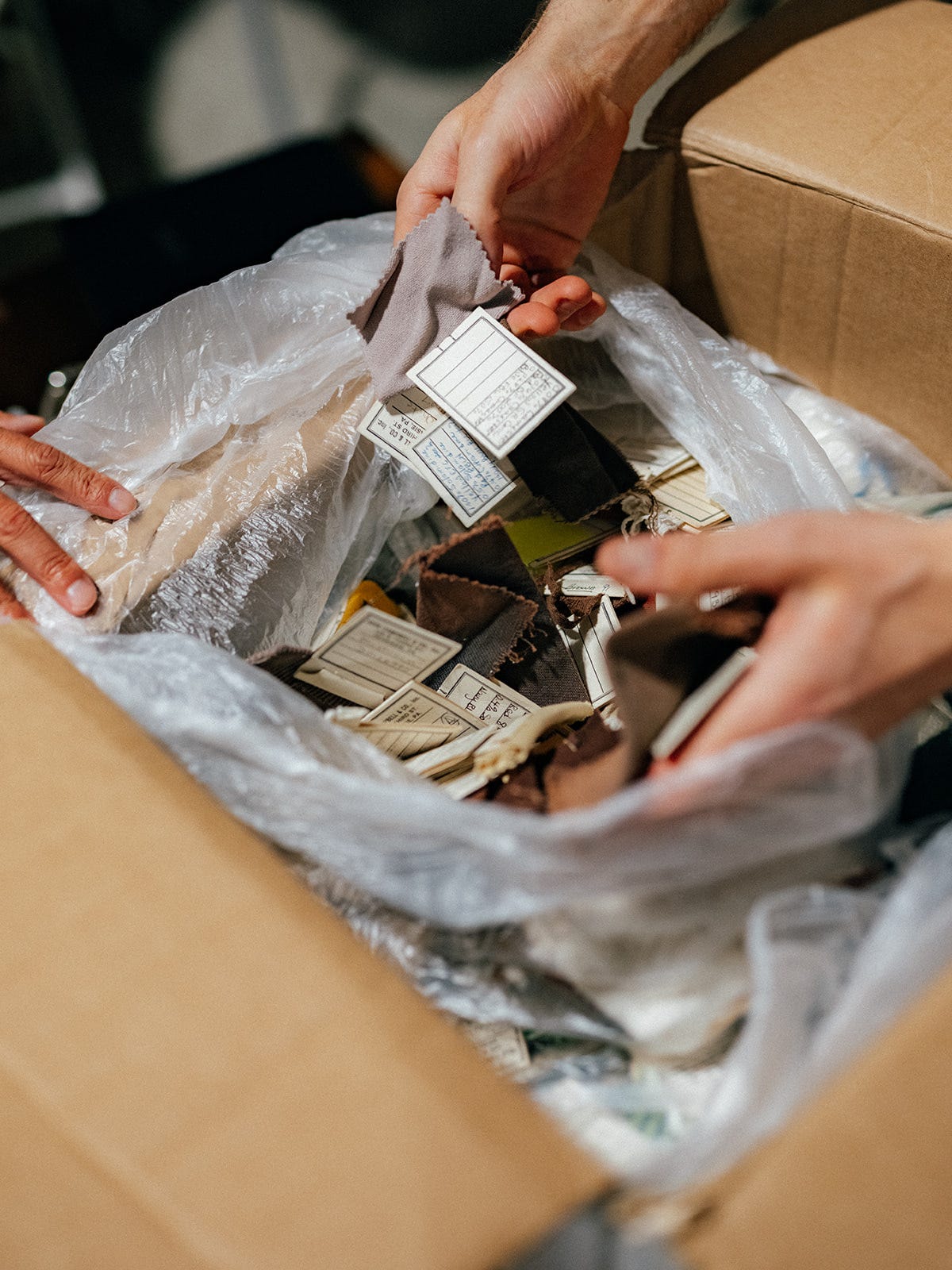
That led me to Abercrombie, where I had a role that wasn’t all that different from what I was doing at Boeing. I like to joke that I went from buying screws for airplane wingtips at Boeing to buying six million pairs of boys’ underwear at Abercrombie.
Even though apparel was much closer to my interests, it still wasn’t completely satisfying. I was learning a lot about clothing and the industry, but I wasn’t actually creating anything.
I was so far removed from the making process that something still felt missing. It’s really just been a progression. I taught myself how to sew in college and would tailor my roommates’ clothes. Over time, I kept getting deeper and deeper into every part of the process.
What was the moment when you realized you were ready to leave the corporate world and build something of your own?
There was a lot going on at once.
I had a health issue as well. During my senior year of college, I started having back pain, and when I graduated, doctors discovered a benign tumor in my spine. It was growing in the bone and pressing on my spinal cord. Because of that, I was constantly coming back home for doctor’s appointments. At the same time, I got dumped by my girlfriend. I was living in a new city where I didn’t know anybody. I was in pain and taking medication around the clock just to get through the day, while my entire family was back home. It just didn’t feel right.
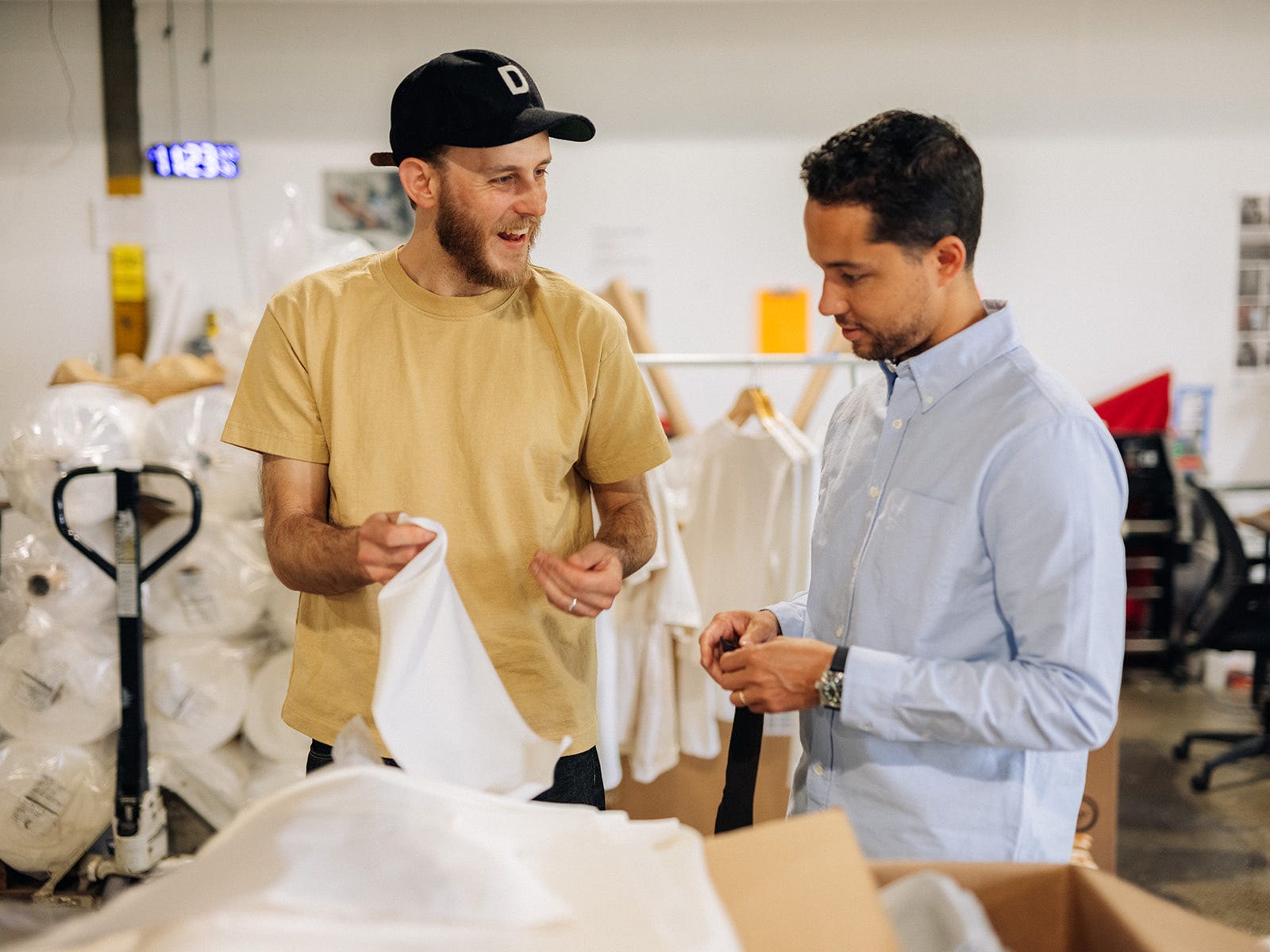
I believe God was telling me, “You’re on the wrong track.” I already knew I wasn’t happy in the corporate world. At the same time, I was still making and selling clothes on the side. My original brand was called York Project.
We had a one-for-one model supporting the homeless community here. We donated beanies, socks, and underwear to shelters, organized monthly volunteer events, and even landed a pop-up shop at a mall about nine months into my job at Abercrombie.
With all of this personal stuff happening, we got the opportunity to run that pop-up. I took two weeks off work to manage it, and when I came back, I realized how unhappy I was. At the same time, I wasn’t performing well at my job.
My manager sat me down with HR and said, “We know you have another business. You’re competing with us, and you could get sued for this.” I told them, “I really want this job here.” They basically said, “You’re not going to have that job anytime soon. It’s going to be ten years before you ever get there.”
That conversation was a wake-up call. It made me realize that if I was going to stay, I needed to do a better job. That’s not who I am—to just coast. So I kicked it into high gear. Over the next five or six months, I actually moved up within the company.
But that conversation stuck with me. They were telling me I wasn’t going to get the job I wanted. All this personal stuff was happening. My business was gaining momentum.
I was interviewing elsewhere, too—I even got a job offer from Shinola. All of that was happening at the same time, and I finally decided, “I’m moving home.” I turned down the job at Shinola, bought those three machines, and went all in.
That was really it. There wasn’t one defining moment—it was everything happening at once.
What does “Made in USA” mean to you personally, beyond just the label?
I’m incredibly proud that we don’t just make products here—we also help keep five other factories busy. There was a moment recently when I felt like things were slow. This is a slower time of year, between spring deliveries and when fall production starts to ramp up.
My wife reminded me that a lot of that work exists because of the selling and marketing I do. When I think about it, there are probably 40 people around the country working on soft goods products because of what we’ve built. That’s a pretty crazy thought.
To me, “Made in the USA” is about the jobs it creates. I support my family through this business. A lot of our team members are younger and don’t have families yet, but they will someday. We recently visited some of the factories we work with in Pennsylvania, and just seeing people making our products was incredible.
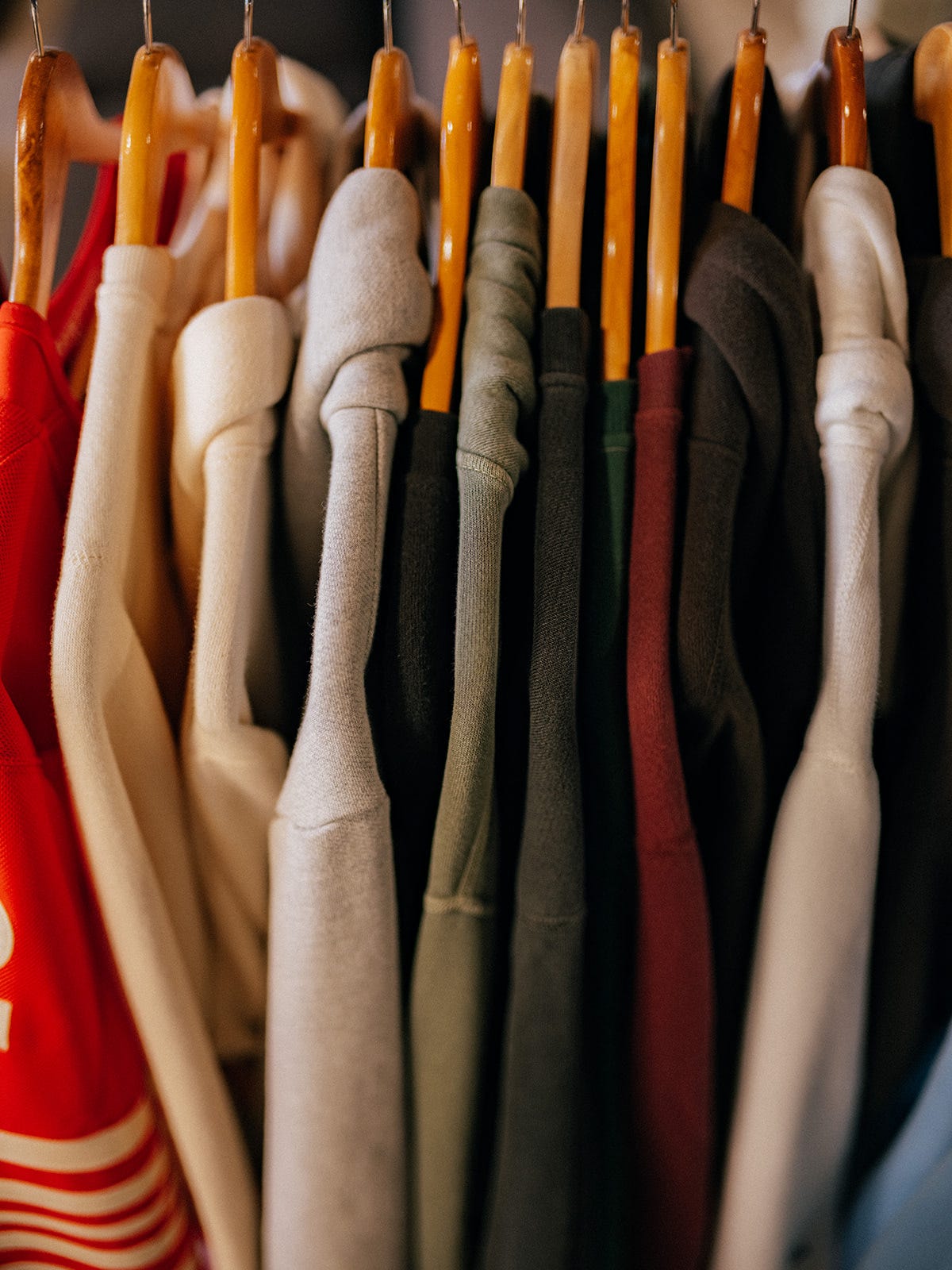
I think “Made in the USA” gets thrown around a lot as a marketing slogan or as a shorthand for quality. But it doesn’t automatically mean quality—there’s plenty of junk made here, too. What it really means to me is keeping resources here and supporting people here.
Operating out of the Rust Belt, what are some misconceptions people have about producing clothing outside of New York or overseas?
I think people are often really surprised that we’re here making things, which I get. There’s not really been much of an industry here for a long time. However, there’s a map downstairs by the front door that I can show you. On this building, it actually says “Knitting Mill.” At some point, I think in the 1920s, there was a knitting mill on this block.
In more recent decades, though, there hasn’t been much outside of Philly, New York, and the Carolinas. I shouldn’t say nothing, I’ve actually been surprised to find there are a lot more little manufacturing pockets than I thought.
But I think the Rust Belt is known for manufacturing, and specifically Detroit. That’s such a big part of our heritage, and people trust that. When you say something is made in Detroit, people associate it with a city that has made products that have moved the world.
Even though we’re in a very different category, people still trust that it’s going to be good. Carhartt started here. It began in a second-floor warehouse in Detroit, not far from here. So we definitely have some great stories and brands that we can build on, and that helps.
I love going to Paris or New York and being around people in those circles. When I tell them I have a factory in Detroit, they’re instantly like, “What? What do you do?”
Then I tell them what we make and who we make it for, and people are sold. It took a long time to get to that point, to build enough credibility, but now it’s really fun. Business is a little easier to come by because we have that credibility, and people trust us.
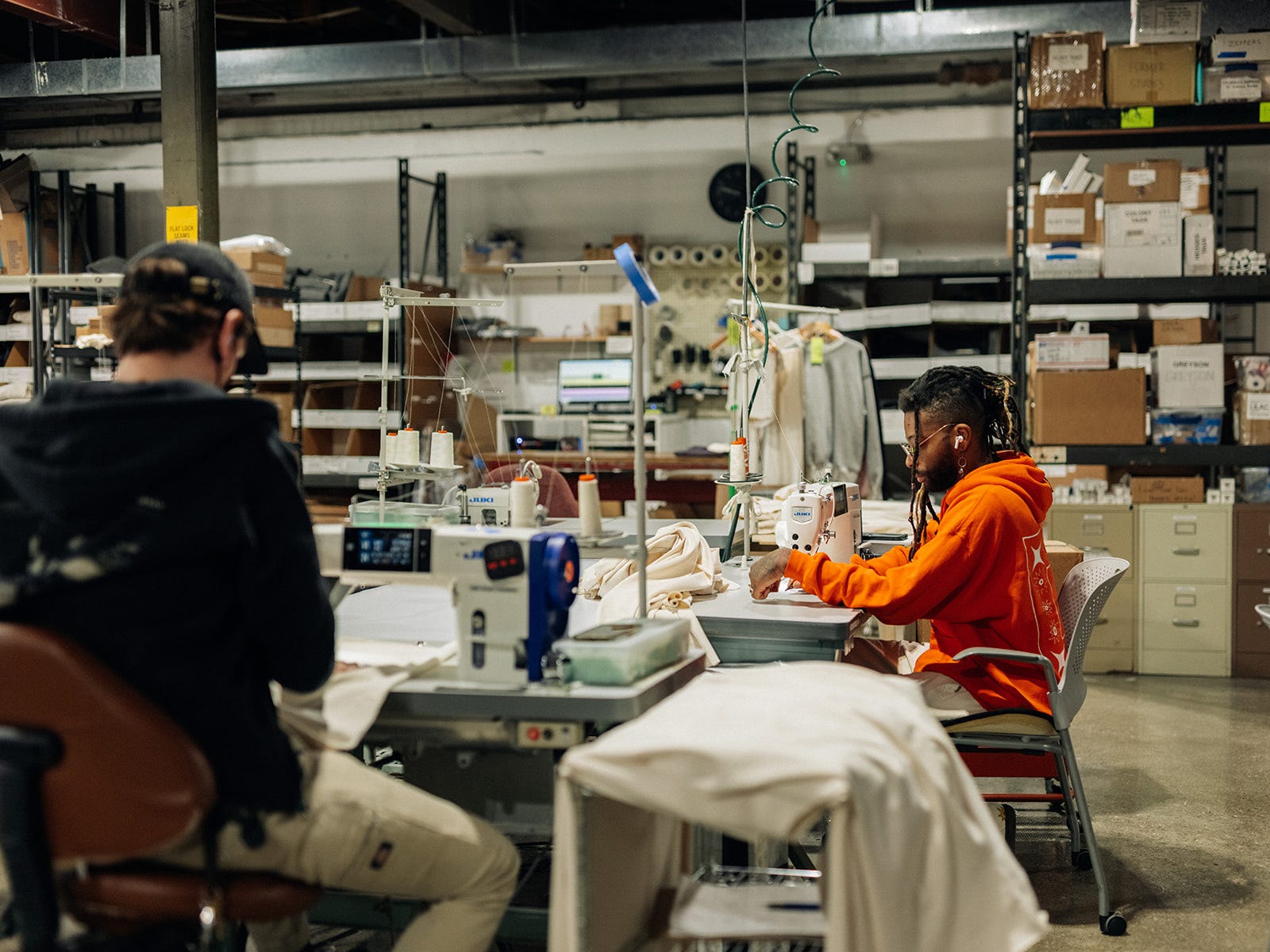
We’re just more modern in how we operate. You can talk directly to me or Carly, who is our lead designer, and say, “I want a boxier cut.” Great, we understand that, and we can make it happen.
With a lot of factories in New York, you have to micromanage the process. You have to provide the pattern, then take it somewhere else to get the marker made, then run it over to another place. There’s a lot more coordination involved.
Aside from being able to make clothes in your own factory, what are some of the biggest advantages and disadvantages of owning the building itself?
I think I’ll start with the disadvantages first because they’re so small.
The main disadvantage is that there’s a lot of stuff to deal with that fashion people or designers maybe don’t want to deal with. I don’t really call myself a designer—I’m a business owner.
So many people out there identify as designers, and it’s easy to dream something up, sketch it out, send it somewhere, and have it handled. But managing all the details is different.
You have to source everything and maintain relationships with every supplier—the thread, the twill tape, the fabric, all of it. Then there’s schedule management.
At the end of the day, everyone downstairs is working here to support their life. So that’s really the disadvantage: having to think about all those extra things that maybe designers don’t have to think about.
But the advantages are much bigger. We’re incredibly fast to market. We’re going to stockpile undyed hoodies, crews, tees, thermals—everything right at the beginning of the season.
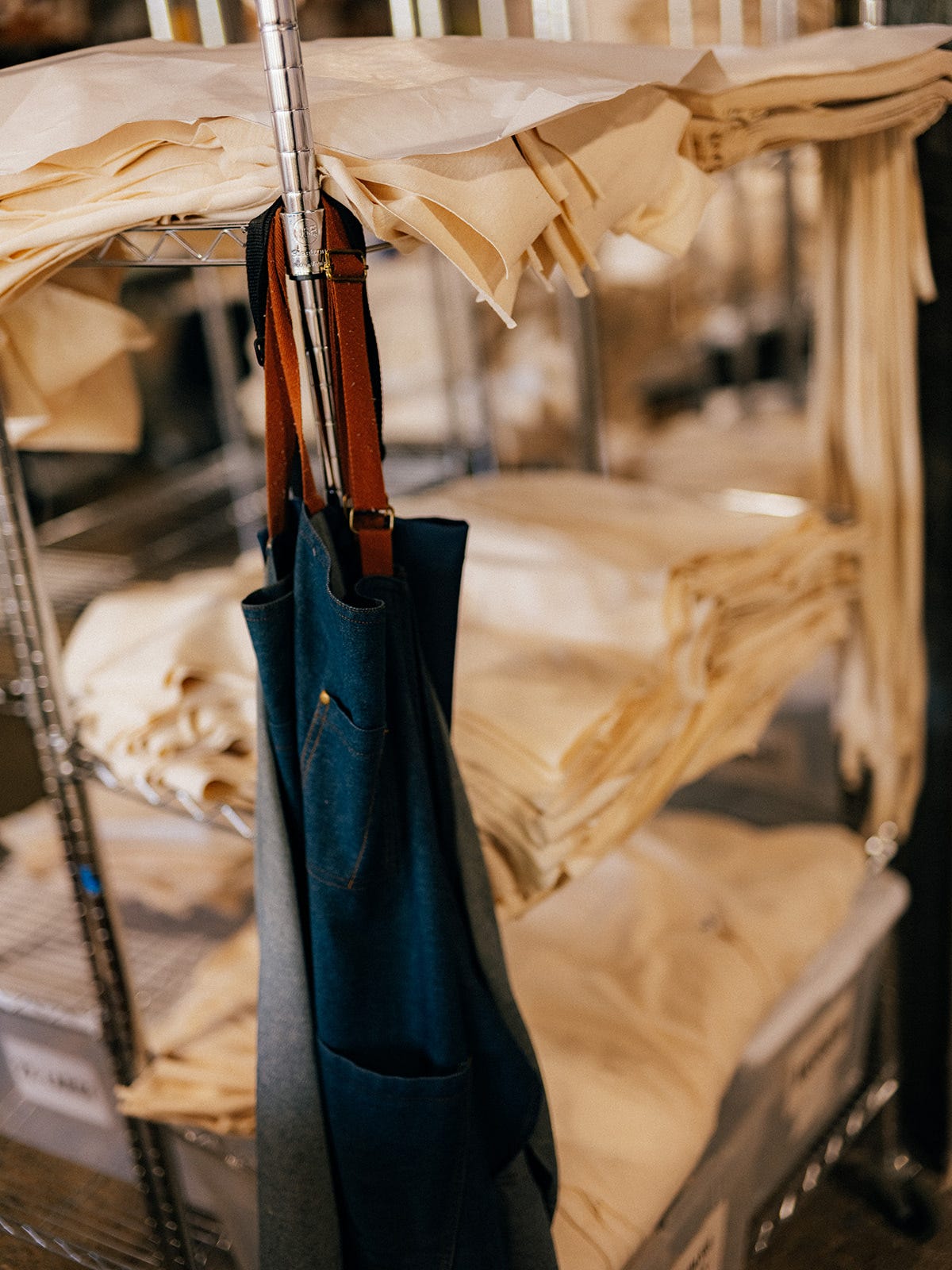
Then we’ll produce in small batches and lean into whatever is working. We’re so lean and nimble, and I think that’s a great way to run a business instead of having to make big guesses at the start of the season, as most brands do.
If we want to change something or iterate, we’re always tweaking, dialing things in, and making them better, and we can do that immediately.
Carly and I can literally sit down for an afternoon and make ten samples of a T-shirt until it’s perfect. If you’re doing that overseas, that’s months. That agility and flexibility are by far the biggest advantages.
I read that the Blogfather, Michael Williams, connected you with Aaron Levine for Huckberry’s Trumbull line. How has your relationship with Aaron evolved since then, especially in helping manufacture his label?
In 2023, I thought we were going to lose the business. My two partners basically said, “Times are tough. We don’t think this business is going anywhere. We should shut it down.” I said, “No, I don’t want to do that. I love this. I want to give it another shot. I think if I hold on, there’s something around the corner.”
One of my partners had been told by Jacob from American Trench, “You should connect with Michael Williams. He’s a good guy to know.” So I cold-reached out to Michael and said, “Hey, this is what I’m doing. I need help telling the story, and you seem really good at that.”
He said, “Oh, you worked at Abercrombie? You should meet Aaron.” I told him, “Before you introduce me to Aaron, let me send you some clothes. I want you to believe in them before you go to bat for me.”
So I sent him some product, and he came back saying, “This is incredible. You have to meet Aaron.”
He connected me with Aaron, and again, I was in survival mode. I thought I was going to lose the business.
My mindset was, “Yes, Aaron can help. Aaron knows people. Maybe something comes from this.” So my wife and I drove down to Columbus and met him at his restaurant in Granville. I brought a bunch of samples, and we talked shop for about two hours.
And we connected. We valued similar things: well-made products, craftsmanship, and quality. By the end of it, he said, “I’ve got to come see your factory.” A couple of weeks later, he drove up.
We showed him the old factory, grabbed tacos, and just kept finding alignment. At the same time, Aaron was consulting for Huckberry. He had identified that Huckberry needed fleece in its lineup. They had their 10-Year Hoodie, but it had kind of run its course and needed a refresh.
So he told them, “You need to go deeper into this category.” At the very same time, I’m down in Granville showing him all the fleece products we make. He looked at it and said, “Oh, I’m going to pitch this to Huckberry. This is the solution.”
He went back, and over the next couple of weeks, Carly and I built out an entire fleece line based on some direction and samples he’d shared. Aaron took it to Huckberry and said, “This is the answer.”
They were blown away. Rich and Andy, the founders, saw it and immediately wanted to move forward. I think I proved to Aaron that I was the kind of person who could execute.
Back in Granville, I’d asked him, “Do you want to start something?” He wasn’t interested in the logistics, operations, accounting, or all the infrastructure behind building a company. I went to school for logistics.
That’s what I do. I know how to build the foundation of a business. I know the operations, the systems, and the accounting.
So after seeing Trumbull come to fruition, it became clear that Aaron and I could do something together. We started putting the pieces in place and launched a business. For the longest time, we weren’t sure what we were going to call it. Aaron really didn’t want to call it Aaron Levine.
But we kept putting the pieces together, and from there, we were off to the races.
What do brands typically come to Soft Goods MFG for? I imagine quality is the obvious through line, but what else makes a good fit?
A lot of it is word of mouth, and now the internet is helping spread that message. What I’ve realized is that people come to us because we’re really a logistics company.
You can come to me and say, “I want a sweatshirt,” and maybe show me one you like. From there, we’ll manage the pattern, source the fabric, oversee production, and handle shipping. We do all of that, and that’s why people like working with us. William Ellery and Manresa are great examples.
They trust that if they tell me, Carly, or Alex what they want, we’re going to understand their vision and execute it. All they have to do is tell us when they need it, and it shows up on time.
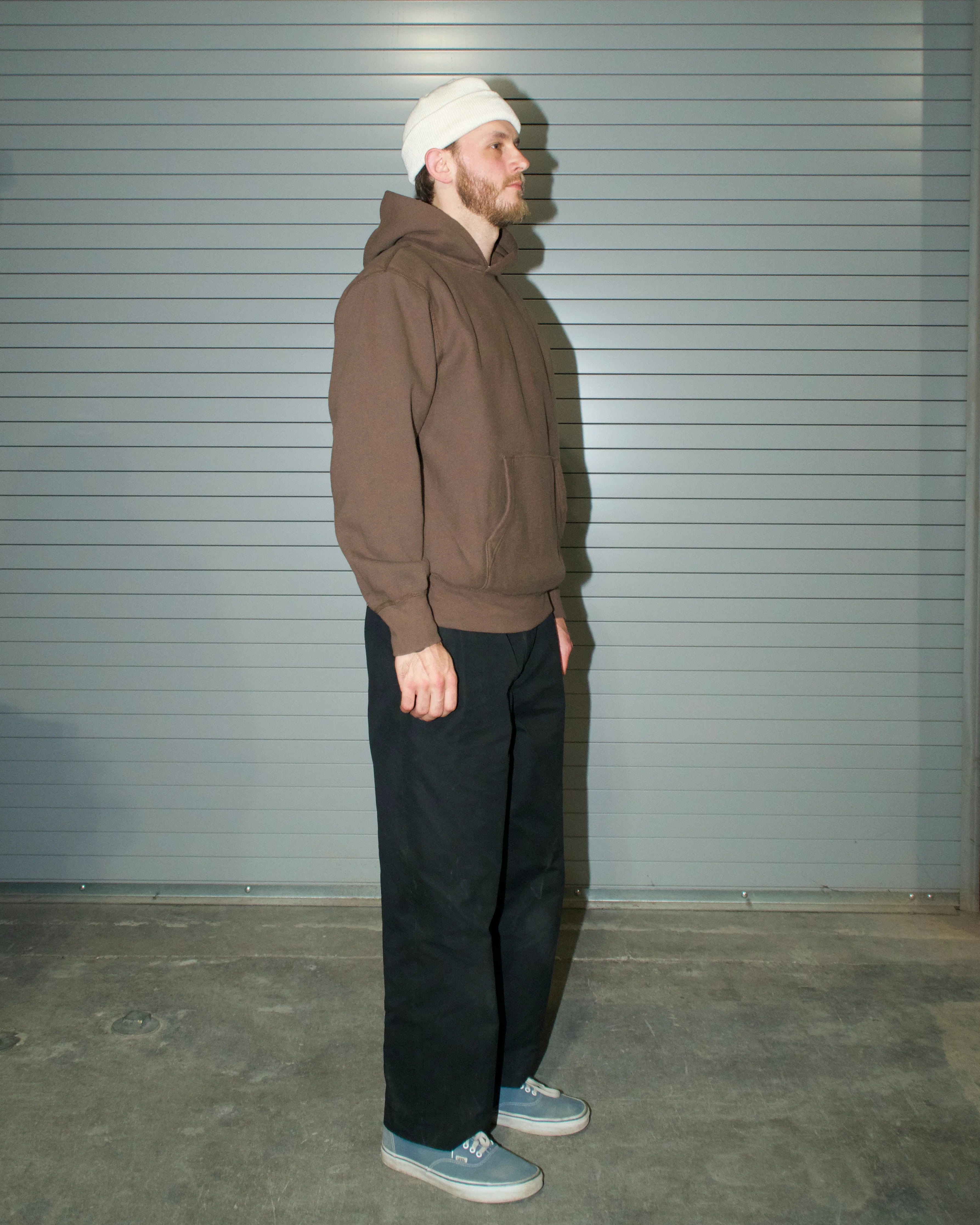
My mantra is simple: do what you say you’re going to do, when you say you’re going to do it. That’s surprisingly difficult in this industry. If we commit to a date, we’re going to hit it.
And if something changes, we’re communicating that two weeks in advance. We’re providing the logistics and operational support that a lot of small brands don’t have.
How do you decide what ideas or fabrics stay exclusive to your clients versus what becomes part of your own private label?
That’s something I’ve really struggled with. We’ve been private labeling the entire time, but within the past year, we’ve really started pushing the Soft Goods brand.
We still sell more through private label, but there are a couple of fabrics that are our core products—like that 5.6-ounce T-shirt and our heavyweight T-shirt. We’re generally not selling those unless our name is associated with them.
If someone’s coming in and buying a large volume, then sure, they can have that T-shirt.
The Colony Hotel, for example, is one of our biggest clients. They get our best fleece and our best jersey.
It doesn’t say Soft Goods on the main label—I think it might be in the care tag—but if you’re doing that kind of volume, that’s a different conversation. A lot of people buy a Colony Hotel sweatshirt and then realize, “Wait, I can go directly to the source and get more of this.”
I think we can become known for that fleece. That fleece is exclusively ours—we had it custom-developed for us. So we’re trying to be careful about how we distribute it.
At the end of the day, it really comes down to volume. If people want a custom fabric, they can absolutely do it, but they have to meet the minimums. That goes back to the logistics of how we operate.
We’re already running all of this production, so if you want 50 units, we can pull from existing inventory.
That’s just part of how our business works.
Soft Goods MFG has now been a tangible thing for nearly ten years. What’s the vision or goal for the next decade?
I really want the Soft Goods brand to become something meaningful. It’s still in its infancy, and over the years, we’ve launched different brands, shut down different brands, and continued doing private labeling the entire time.
My ideal business would be 50% private label and 50% Soft Goods. If Soft Goods ads stop working or we hit a slow season, we can lean more heavily into private label. If a large private-label client leaves, we can invest that capacity into growing our own brand. Keeping that balance feels like the best business model to me.
Right now, we’re probably ten times bigger on the private-label side than we are on the brand side, so I’m really excited about building that up. I want Soft Goods to become a brand people can count on—a place where you can come back year after year and get a great T-shirt.
It will be the same dependable product, with new colors and different iterations, like we were talking about.
I’m excited to keep doing this and figure out what the next iteration of the business looks like. I think the way to get to the next level is by building the brand.
Being a factory for someone else has value, but building a brand is where the real long-term value lies. That’s what the next ten years are about: getting that brand really dialed in, stable, and built to last.
Great read! Need to get my hands on some pieces. I had no idea they did so much private label work.
Loved this interview. Super inspiring as a business owner - in particular, the bits about building a balanced business that can absorb impacts if "one engine" goes down. For sure a benefit of owning the manufacturing as well.