

The suit, in many ways, has become obsolete.
For most, it’s a relic of the past, a piece of the wardrobe that’s now retired from everyday life. And look, we don’t need to dwell on the tragedy of casual wear taking over offices or how dress codes have dissolved. It’s gotten bleak, to be fair.
But in the depths of an “it’s so over” with suits, some men are finding within themselves the strength to muster a resounding “we’re so back” with respect to suiting. Less out of obligation and more out of genuine curiosity.
There’s a growing appreciation for craft, for clothes that are made rather than just manufactured, and for the kind of dressing that actually requires some thought. It’s the attention to detail that matters most.
Independent establishments like J. Mueser, whose showroom is tucked away in Manhattan’s West Village, are a big reason why this shift is on its way back.
They work with people at every level, from first-timers who’ve never been measured for anything to veterans with dozens of custom suits in their wardobe.
What I like about their team is how they
1. Treat suiting out of genuine love, not like a costume you use to flex on others.
2. Are less concerned with the transactional side of selling more suits, and more about teaching people how to think about them
Because on the second point, they know that when they’re doing their job educating people first, they can easily sell more down the line.
This spring, we wanted to invest more in helping you understanding tailoring, so we the J Mueser team to create a mini playbook that will help you understand the mechanics of finding a suit that works for you, whether or not you visit J Mueser for that.
If you want to get access to our 2026 suiting, dropping next week, tap in!
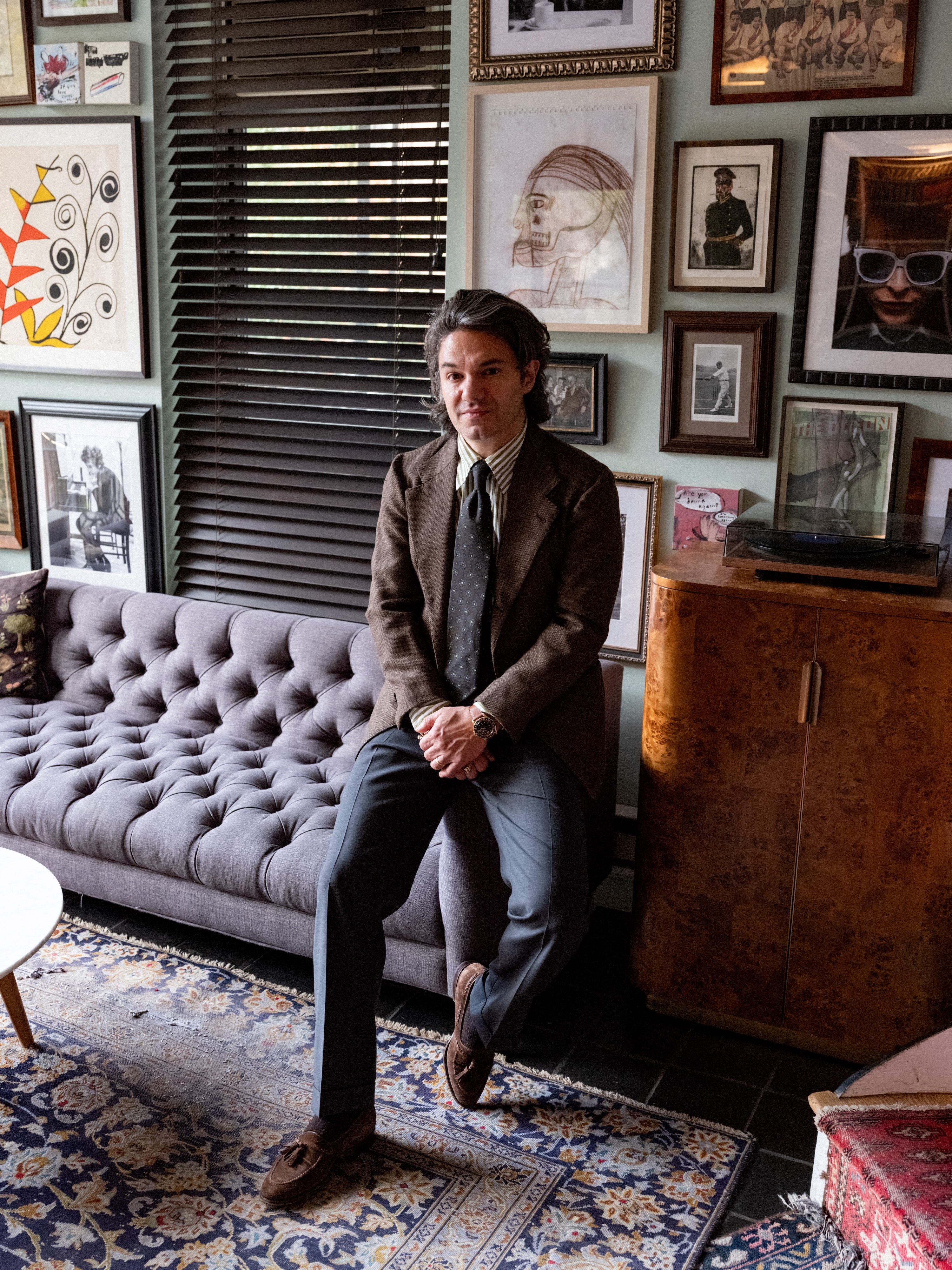
I’ve never done this before. What should I wear when I come in for my first appointment, and what do you need from me to get started?
For your first appointment, we’d recommend something similar to what you may actually wear with a suit or sport jacket.
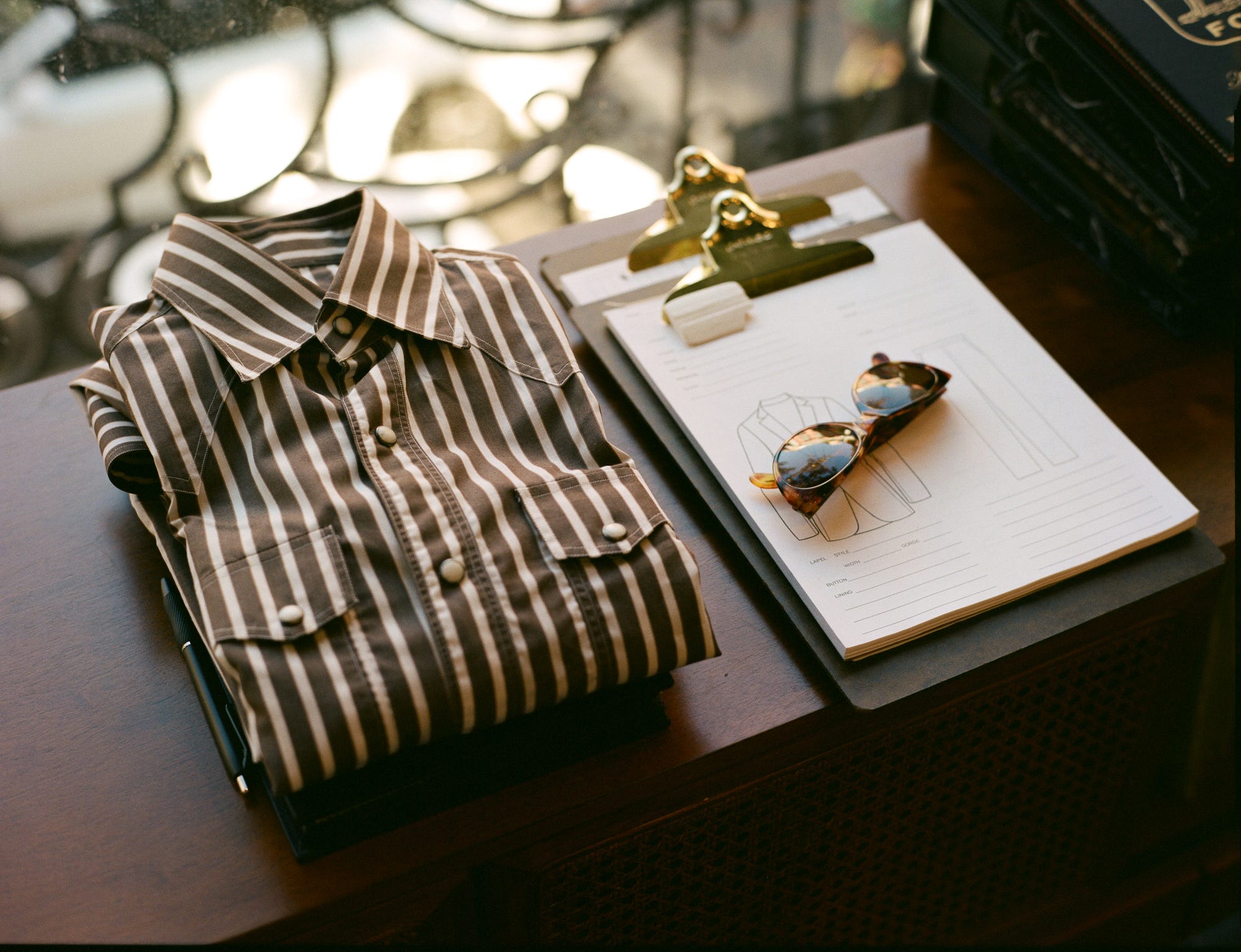
A button up shirt is a good place to start and give the fitter an idea of how you wear your clothes and where a jacket sleeve should hit. Probably the most important is footwear. But if you plan to wear your suit with loafers, wear a loafer.
If you’re imagining it with a pair of cowboy boots, that’s a very different consideration and one we want to make sure we account for.
What’s the actual difference between bespoke and made-to-measure, and how do I know which one is right for me?
The difference is pretty simple. For made-to-measure an existing block is modified based on your measurements and posture. Bespoke involves a completely unique, drafted pattern, multiple fittings, and a ton of handwork.
Our bread-and-butter Waverly line of tailoring lies somewhere in the middle, a uniquely hand-drafted pattern made on a small production line at our sartoria in Naples, Italy.
For the first commission, we do a basted fitting, which adds a couple of weeks to the initial turnaround but ensures the pattern fits the client as close to perfect as we can get it.
How do I describe what I want if I don’t know the technical terms? Like, can I just show you a picture of something I like and you tell me what’s realistic?
We have plenty of clients come with photos or even entire Pinterest boards, because it’s a uniquely drafted pattern, we can do almost anything, from different button or pocket configurations, to a multitude of shoulder constructions.
With that being said, our house style is a typical Neapolitan construction, which is a lightweight cotton canvas, a very soft natural shoulder, and a high-rise, straight fitting trouser.
We encourage everyone to come with whatever ideas they have, and if it seems unrealistic, we’ll let them know.
I’ve heard terms like lined, unlined, half-lined. What should I actually be asking for, and does it depend on where I live or how I plan to wear the jacket?
It’s all about climate and feel. There’s something very nice about an unlined jacket. There’s a lot of handwork that goes into finishing all those seams, and they do tend to wear a little easier.
We’d definitely recommend it for something like a breathable wool fresco or Irish linen to take full advantage of the cloth. A scratch Harris tweed? Maybe that gets a full lining.
What’s a break in the trousers and how do I decide what looks right on my body versus what’s just trending right now?
There are no right answers with custom clothing; no absolutes or hard rules. Maybe some of your wool trousers you like the drape of a full break, but a cotton or something that doesn’t really drape you want to hit just at the top of your shoe.
It doesn’t have to be the same across your entire wardrobe and your tastes may change over the years.
That being said, we believe the thing people will generally be happy with and feel relatively trend-proof is a slight break to no break.
Walk me through what happens at the first fitting versus the second. What are you looking for each time, and what should I be paying attention to?
The first appointment is the consultation; no garment yet. We take your measurements, walk through the cloth library together, and make all your design decisions: structure, lining, lapels, trouser details. We also just talk. How you live, what you’re building this for, how you carry yourself. All of that shapes the pattern we draft for you.
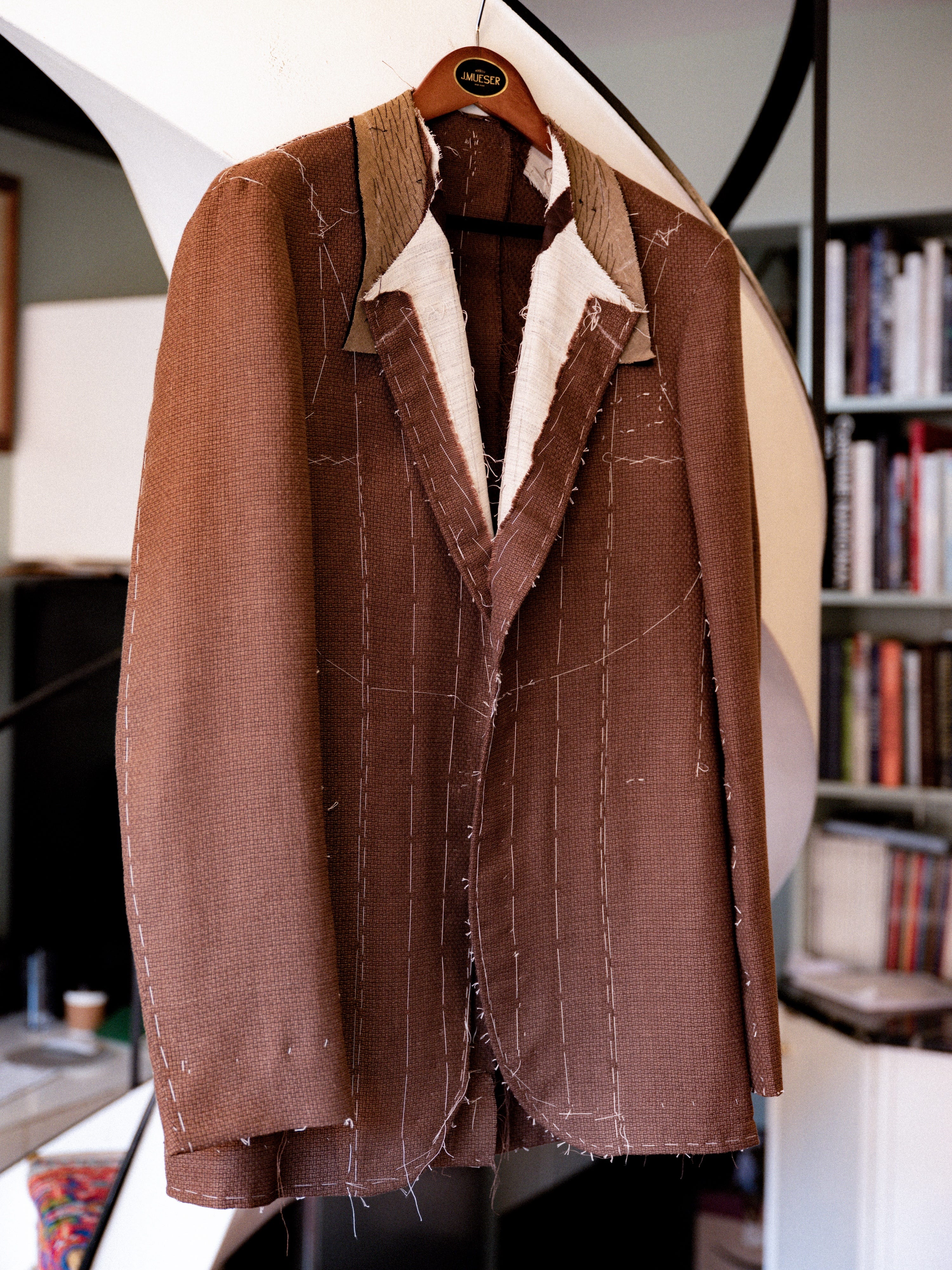
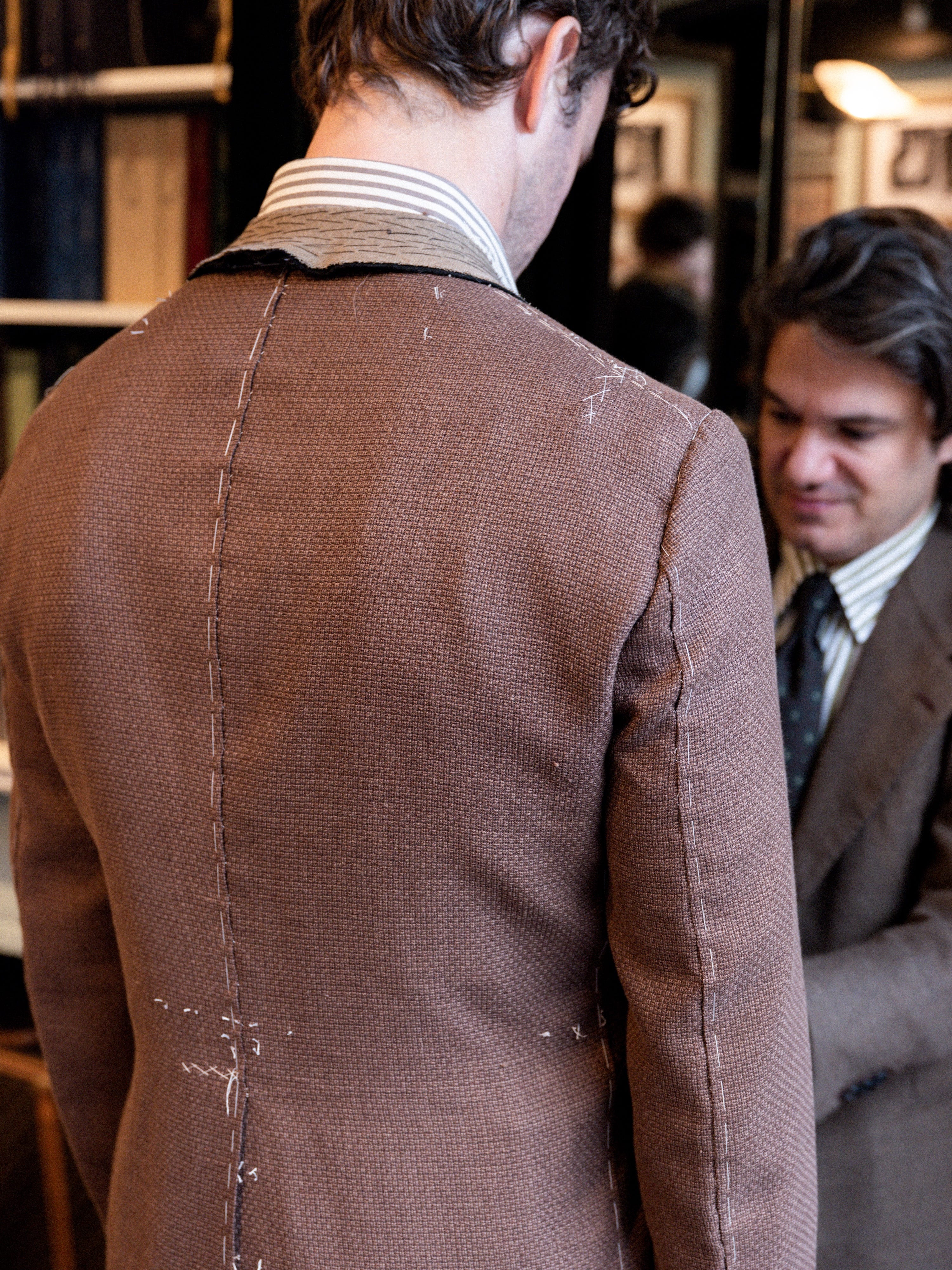
The second fitting is the basted fitting. The suit arrives loosely assembled with temporary stitches so we can still open and adjust everything. It looks rough, which is intentional.
We’re checking how the pattern translates to your body: shoulder, chest, back, seat. Move around at this fitting. Sit down, reach forward. Tell us what pulls or doesn’t feel right. Every correction here refines the permanent pattern we keep on file for you.

The third fitting is the finished garment. It’s often ready to go right out of the gate, but just as often our in-house tailor handles the final refinements, shortening the sleeve a ¼”, maybe nipping the waist a hair, small adjustments that make the difference between a suit that fits and one that looks like it couldn’t have been made for anyone else.
Once we’re satisfied, it’s yours to take home.
If something doesn’t feel right during a fitting, how do I communicate that without sounding like I’m telling you how to do your job?
We’re communicating constantly as we fit: “how does this feel?”, “does that waist feel tight?” If something isn’t fitting right, it is often pretty visually obvious, but if there’s something we’re not seeing, just mention it. We’re not too sensitive.
How much does my body type actually change what you’d recommend? Like, if two guys walk in wanting the same suit, how different would the end results be?
Two guys walking in wanting “a navy suit” might end up with very different shoulder widths, lapel widths, chest suppression, trouser rises, and silhouettes… all to achieve the same effect on their respective bodies.
Someone with a shorter torso might need a shorter jacket length and higher button stance. Someone with broader shoulders might want softer construction to avoid feeling like a linebacker.
What are the most common mistakes guys make when they come to a tailor for the first time?
A few things; probably the most common is not allowing enough time. A custom suit can’t be made in a week, in fact it probably needs about 8-10 weeks. So make sure you’re not waiting until the last minute.
Another issue we sometimes run into is clients will rely too heavily on novelty, asking for contrast buttonholes, novelty lining, or crazy details. Our goal is you end up with a beautifully fitting suit that you can wear for decades to come, and we want to limit anything that impacts that.
If I’m building a wardrobe from scratch with you, what’s the first piece I should invest in and why?
For a first suit, we almost always recommend navy… ideally in a cloth versatile enough to be broken up and worn as a blazer when the occasion calls for it. A navy high-twist with flap and patch pockets works beautifully here: sharp enough as a suit, relaxed enough as a separate.
If traditional wool feels too formal for your life, or you want something that can move between the office and the weekend, consider a navy cotton twill instead — press it for a wedding, wear it rumpled with jeans on a Saturday.
Give us your feedback if you have any to add!