

Menswear has a pricing problem.
Not at the very top; true luxury has always lived in its own universe. But in the middle (where most guys actually shop and dress), things have gotten strange.
Basic pieces are priced like collectibles, “essentials” that feel anything but essential, and clothes that look fine on a PDP, but quietly fall apart in real life.
That’s the backdrop against which Hanover caught my attention.
Chris Black (a cofounder) has been around long enough to see this shift happen in real time.
Long before starting a brand, he’d already built a reputation for having a sharp, lived-in point of view… one that’s shaped by music, friends, retail, and a lot of time paying attention to what people actually wear once the performance drops.
But Hanover is interesting because it’s not trying to fix menswear. It’s not positioning itself as a concept, or a correction, or a manifesto.
It’s much simpler than that: make everyday American clothes, make them in the USA where possible, and price them in a way that still feels grounded in reality.
We caught up with Chris and talked through how Hanover came together, why Chris stayed quiet about it for so long, and what he’s intentionally choosing not to do.
What follows is a conversation about taste, restraint, and building products that are meant to be worn.
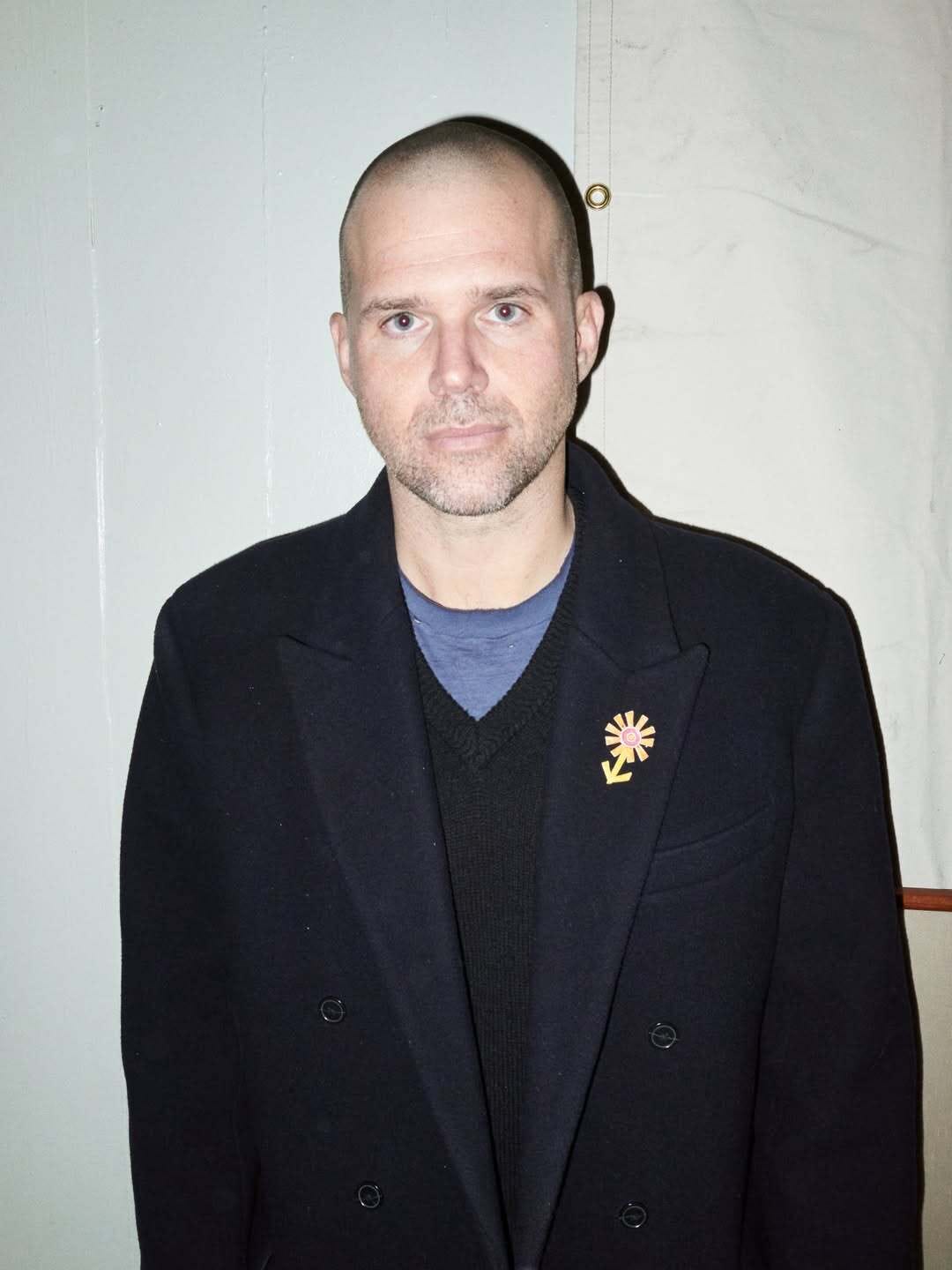
A conversation with Chris Black
Clayton: Hanover feels like it appeared pretty fully formed, but I know that’s rarely how it actually works. How long has this been in motion?
Chris:
It’s been a while. I’d kicked the idea around over the years, of course. But everyone tells you (and you see it yourself) that it’s just really hard. It’s sort of like, why would you do this if you don’t have to?
But when someone comes to you with the base infrastructure and enough money to do it relatively the way you want, the conversation changes. Then it became: can we do it at this price point, and can we do it made in the USA?
Once we realized we actually could, after sampling and all that, I got more excited. Because pricing has just gotten insane. I wanted to push against that as much as I could.
Clayton: You’re pretty clear that this isn’t anti-luxury. It’s more about what people are actually wearing day to day.
Chris:
Yeah. I mean, I have my share of luxury items. My wife has a closet full of luxury items. I love that experience, and I think it’s worth every penny if you can charge it and someone’s willing to pay it.
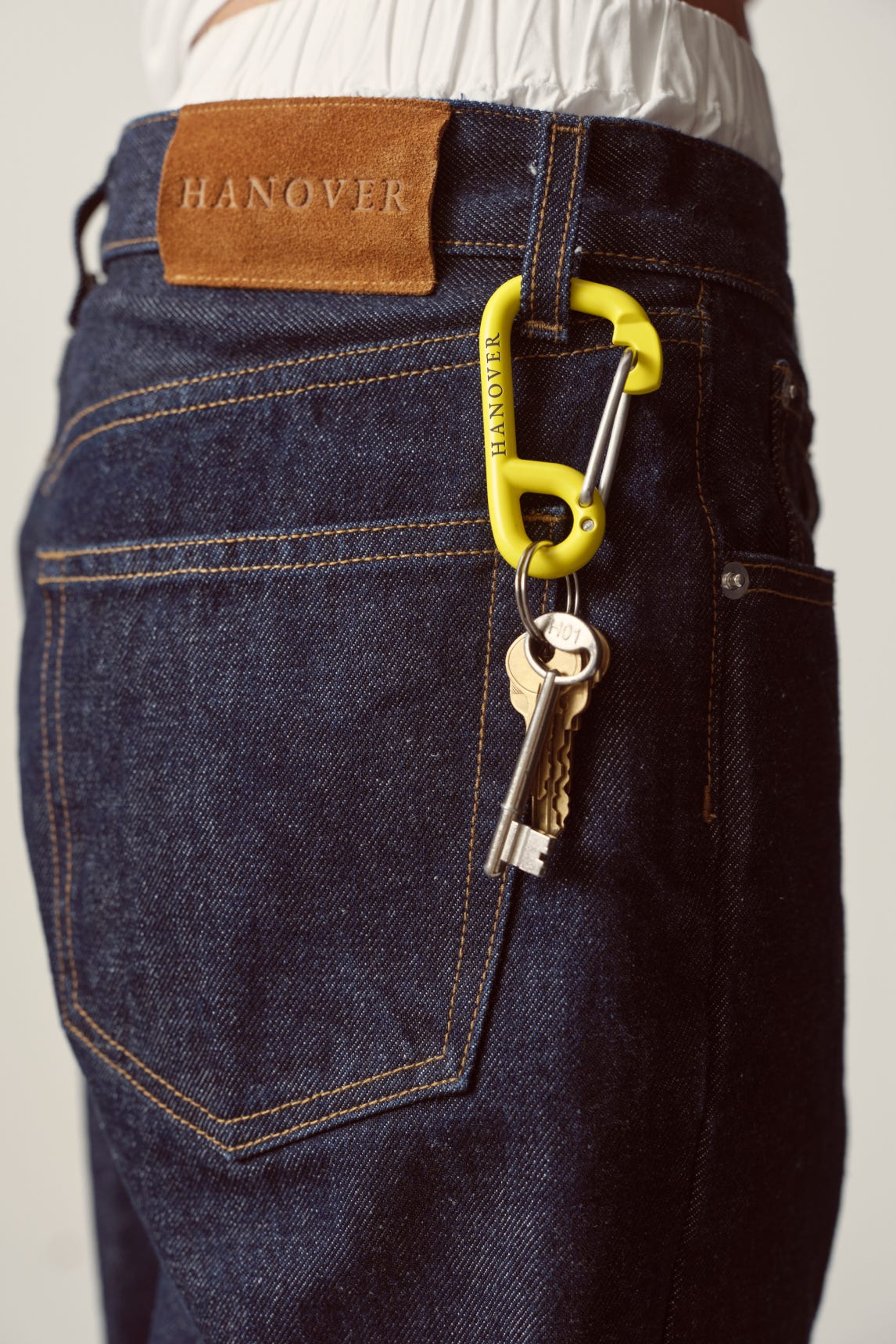
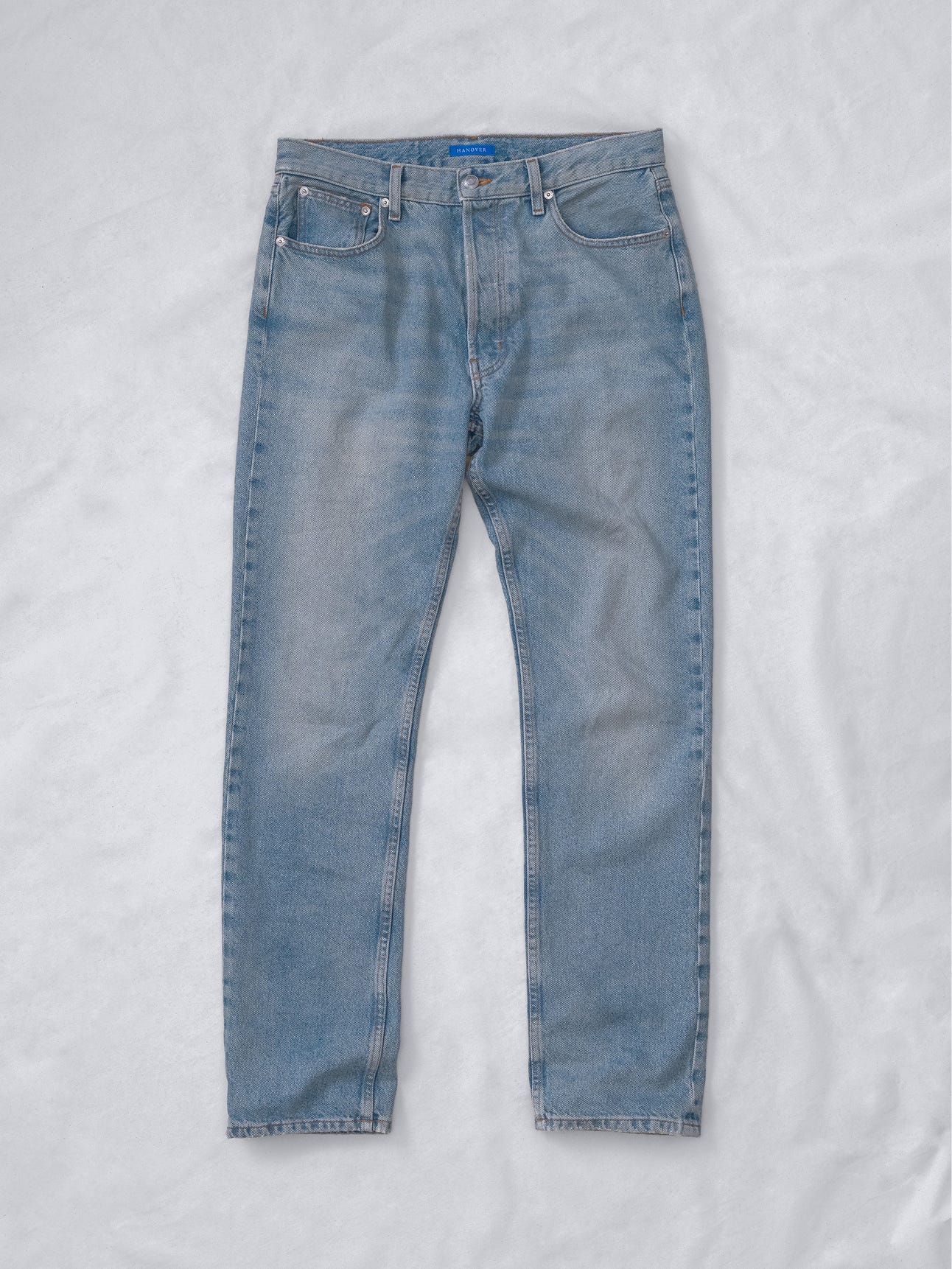
But what I’m actually wearing, and what a lot of people I know are actually wearing, is stuff that shouldn’t cost what it costs now. This isn’t some beautiful overcoat. This isn’t a pair of leather shoes. It’s like, you’re paying $200 for a t-shirt, $500 for jeans.
At a certain point, it just stops making sense.
There are times to splurge. But on a day-to-day basis, what we’re making is what people actually wear.
Clayton: When you think about the line growing, what does that look like to you?
Chris:
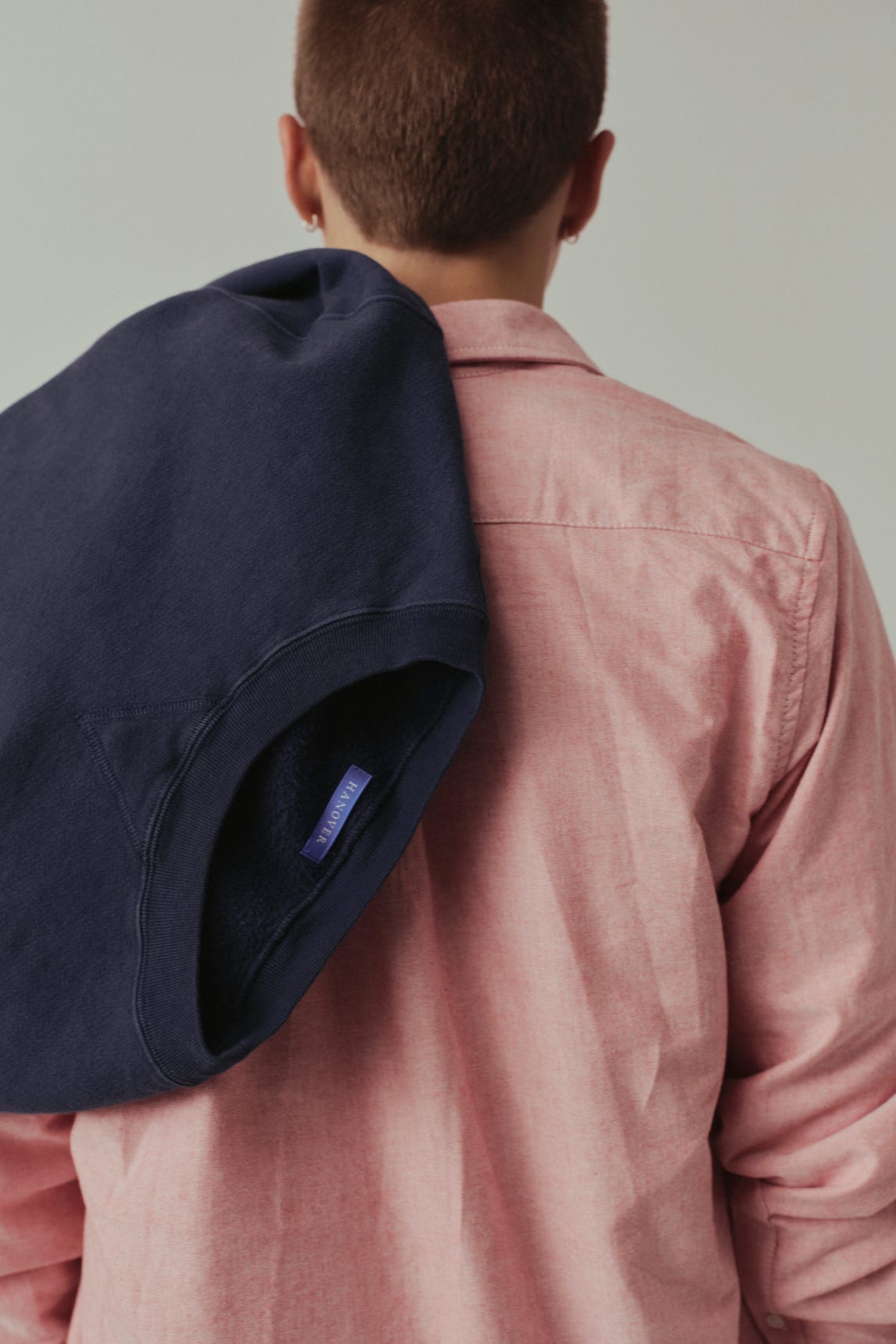
We’re working on the second collection now for February. It’s an extension of what we already did, long sleeve polo, zip-up hoodie, a different cut in the jeans, boxers, hopefully socks.
I want to push into other stuff too. I think the word “essential” means different things to different people. To me, a flannel is an essential. A chino is an essential. A cashmere sweater is an essential. That word got turned into “t-shirt,” and that’s not what it actually means.
Footwear is big for me as well, but only collaboratively. Like, can we make a penny loafer that’s up to my standard? Can we do a sneaker? Those conversations started early, so hopefully something comes together.

Clayton: You said something earlier that stuck with me; you don’t want your own sneaker silhouette.
Chris:
I don’t want my own style. I’m not going to improve on a Converse All-Star. I’m not going to improve on a 993 or a 996. There are just some things that can’t be improved.
I can do a version of it and make it feel different, sure. But I don’t need a new last. A Vans Authentic, a Converse All-Star… those can’t be improved upon. I’m not going to try.

Clayton: There’s so much sameness in menswear right now. Same factories, same cuts, same language. How do you think about differentiation?
Chris:
I think a lot of it is Instagram brands, honestly. People figured out how to game ads. There’s no culture behind it.
I want Hanover to feel like the baseline of American dressing. That’s why we put an American flag patch on the tote bag. That’s the vibe. I’m not trying to be experimental. I’m making stuff you can wear forever at a good price point.
I want to work with musicians. I would never shoot a model if it was up to me. I don’t care about that. There’s already a world I’ve created for myself, and we can lean into that.
Clayton: You were pretty blunt about something I think a lot of brands avoid saying out loud. But people don’t actually buy based on ethos decks.
Chris:
People want what they want and they want it to be the price they want it to be. Anything else is a bonus.
If you don’t destroy the environment, that’s great. But if you do and it’s cheap, people are still going to buy it. I believe that. Made in USA is more of an ethos for me. I don’t know if it affects sales at all. But if it makes me feel good, then that’s fine.
Clayton: You also don’t seem interested in chasing New York and LA approval.
Chris:
New York and LA are flooded. Those guys know too much. If they want it, they can have it.
I’m much more interested in tertiary markets like Austin, Nashville, or Atlanta. There’s a large group of men who’ve gotten into clothes in the last five to ten years who are underserved. They’re not nerds. They’re not trying to win anything. It’s like: does this look good? Does it make me feel good? Do I like the brand? Okay, I’ll buy it.
Clayton: That’s basically the Sprezza reader.
Chris:
I’ve lived in New York too long, and you start thinking that’s reality. Not everyone is buying The Row or Phoebe Philo. That’s not normal.
Everlane was the perfect example. All that transparency stuff… no one cares anymore. It’s about the brand and how it makes people feel.
Clayton: How are you thinking about building Hanover beyond product?
Chris:
Events are important to me. We did a party in New York and my friend Rostam played, and it went until 2 a.m… people had a great time.
I hate the sanitized brand events that end at nine. I like real parties where people leave like, “That was awesome.” The booze was free and the music was good. That’s it. You can do that in different cities, and it works.
Wholesale matters too. I want to be in a handful of stores that matter globally, even if from a business standpoin,t it’s basically a marketing expense. I think that’s cool.
And with retail, I’d love a small store downtown. I grew up working in stores. I still put it on a pedestal. When it’s your thing, you get to do that.
“Everyday clothes MiUSA, priced reasonably”… I feel like I’ve heard that exact pitch hundreds of times and it never gets fulfilled - isn’t this just another one of the Buck Mason-morphs?