A lot of what’s been fun about growing this newsletter is meeting the brands, creatives, and tastemakers across categories who are building things with real intention behind them.
Not just making products, but thinking carefully about how people actually live with the things they own.
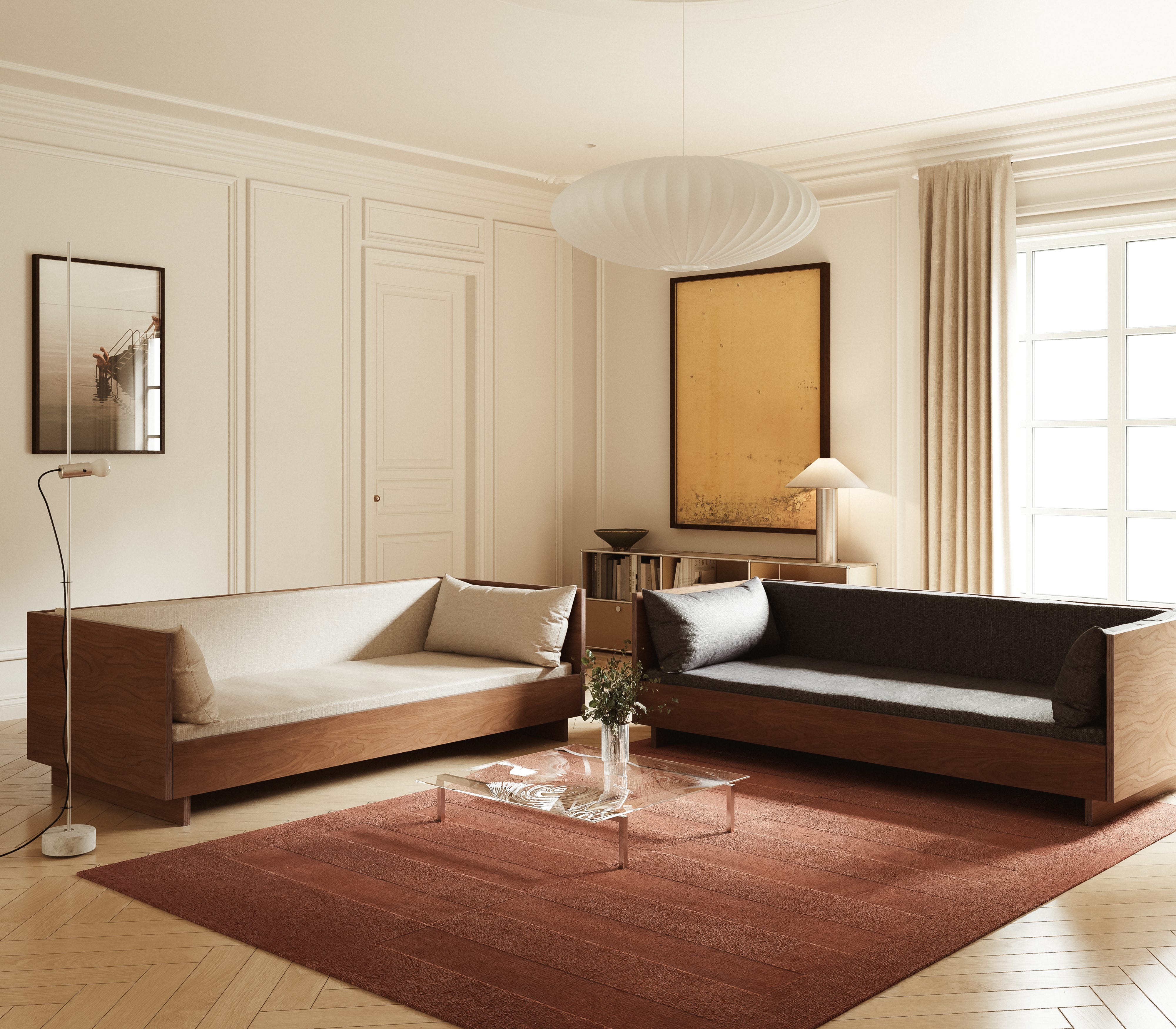
SLOWE Living is one of those brands. Founded by industrial designer Oliver Murphy, SLOWE makes modular furniture out of a small workshop in London, England. Their whole philosophy centers on simplicity, repairability, and designing things that get better the longer you live with them.
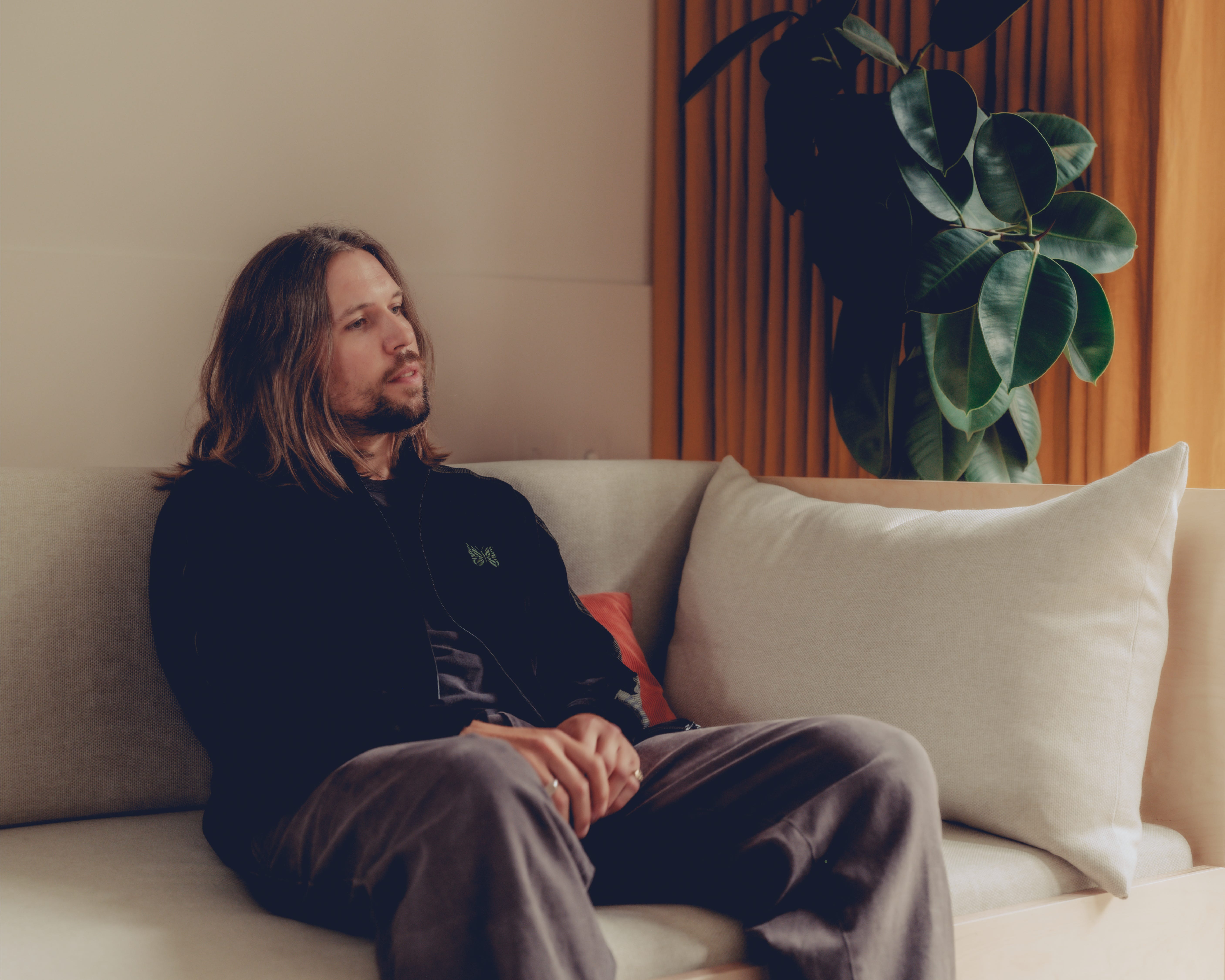
I first came across SLOWE last year, when I was setting up my studio here in Amsterdam. When Oliver and I connected over a shared appreciation for the kinds of objects that earn their place in your life rather than demand attention, I wanted one of his sofas in the space, and he kindly agreed to gift me one.
Oliver’s got a unique approach to design, and his references span Tokyo, Copenhagen, Danish modernism, and 90s Japanese industrial design, but the work itself feels grounded in something more personal than any single influence.
We sat down to talk about how a pandemic side project became a furniture brand, why he’s deliberately resisting the pressure to scale, and what he thinks meaningful sustainability actually looks like when you strip away the marketing.
If you want to follow his work via IG, tap in here.

PS: A huge thanks to Jack Orton, Marcus Brown and Tom Groves for the photos.
The sofa bed that inspired SLOWE Living started as a personal solution to a problem.
How did that experience change the way you think about what design should do?
When the pandemic hit and a lot of my client work disappeared, it unexpectedly gave me the opportunity to make things with my hands again, something I’d really missed since studying industrial design.
I wasn’t trying to start a brand at that point. I just wanted to try and design a sofa for our own home that worked well in a small London apartment and didn’t feel like a compromise.
I couldn’t find anything on the market that felt both versatile and genuinely well considered, so I started drawing on influences from places I’d lived and travelled, particularly Japan and Copenhagen, and thought what can I make, myself, with the simplest materials available during the locdown?
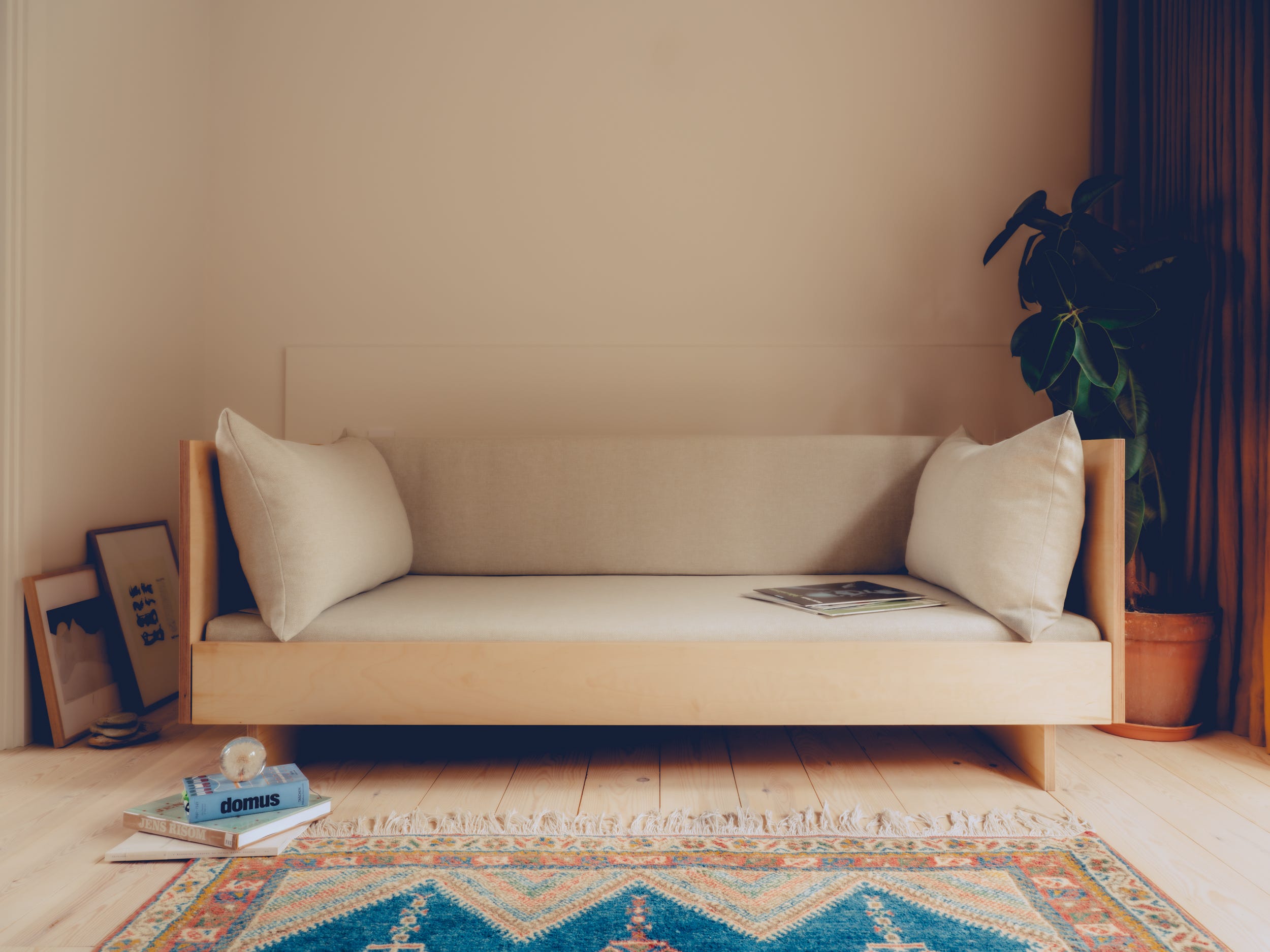
That constraint shaped everything. I didn’t want complex or hidden mechanisms. I wanted something simple, easy to use, and well-engineered, something you understand immediately, but appreciate more the longer I’d live with it.
Designing for myself shifted my mindset away from hype and over-engineering, and towards longevity. I wasn’t thinking about trends or scale, I was thinking, would I be happy owning this for a long time?
That experience really cemented my belief that good design doesn’t always need to be fussy. It can be super simple, made from good materials, easy to use, and built to last, and that philosophy has stayed with SLOWE ever since.
You’ve spoken about influences from Tokyo, Copenhagen, Danish modernism and 1990s Japanese industrial design.
How do you reconcile these global references with the idea of place-based, slow craft in Cornwall?
Global references and place-based making don’t feel contradictory to me, everything has to be made somewhere, but inspiration can come from anywhere.
I don’t try to be overly precious about the references. There’s a clear lineage in the work I’m drawn to, whether that’s 90s Japanese Industrial design, Danish hey-day furniture, certain parts of the Bauhaus, or even minimalism associated with figures like Judd. None of it is about originality in isolation, but about respecting a common design language and set of values.
Making in Cornwall was important because the place gives work some identity and brand synergy I suppose. Many of the products I admire are inseparable from where they’re made, the processes, the pace, the people involved, it’s all so fascinating to me and I wanted to share that with my customers.
I wanted SLOWE to be built in a similar way, where manufacturing isn’t hidden, but part of the story and the value of the object.
Cornwall also offered a practical and philosophical fit. It allowed us to work with small, skilled workshops at the right scale, and it embodies a slower rhythm of life that feels aligned with the brand and the kind of work/life I want to live, a counterpoint to the constant urgency of London (which I still need in my life).
How do you see meaningful sustainability (something you pride yourself in promoting) versus sustainability that’s mostly marketing?
If you’re producing endless stock, chasing constant novelty, and relying on people replacing things prematurely, no amount of recycled packaging really changes that equation.
We’re not perfect, but no brand is and I can live with that imperfection, and not trying to improve absolutely everything. Brands like to project this outwardly polished somewhat virtuous way of looking at life, and I prefer to be a bit more daoist about it haha.
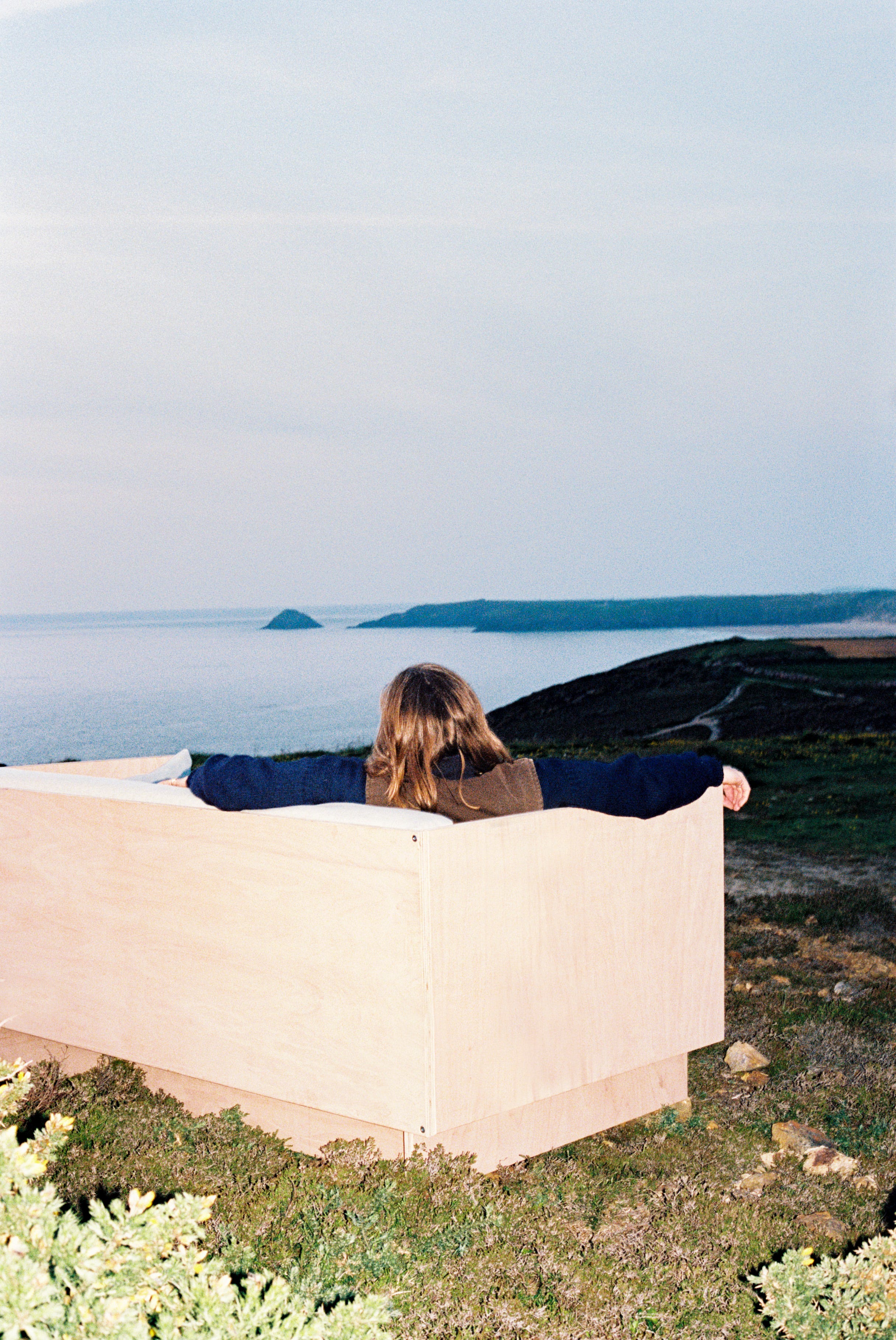
Our approach is deliberately slower: made-to-order, limited runs, perpetually repairable components, and products designed to evolve with people’s lives rather than be discarded.
If something breaks or needs replacing, we’re at the end of the phone to fix it. Or if you simply feel like a change in colour of your sofa, we can make up a new colourway with replaceable and washable cushion jackets.
I think sustainability credentials become marketing when it’s treated as an aesthetic or a badge, not backed up by real service or a good lasting product.
It becomes meaningful when it affects margins, lead times, and decision-making when you’re willing to say “no” to growth that compromises the integrity of what you’re making.
SLOWE seems to intentionally resist scaling at all costs. How do you reconcile slower scaling with the ambition to have an impact on culture and design?
I’ve come to believe that scale and impact aren’t the same thing. Fast growth often rewards volume over values. Slower growth gives you that space to build trust, relationship, friendships depth, and cultural meaning, things that compound nicely over time.
I also don’t like being hurried in life, it stresses me out. We’re a bit more Mediterranean in that mindset). What really is the rush, good things take time and if we do have a message it’s that. Run the bath and play one of our playlists.
That’s where I think it can have an impact on culture.
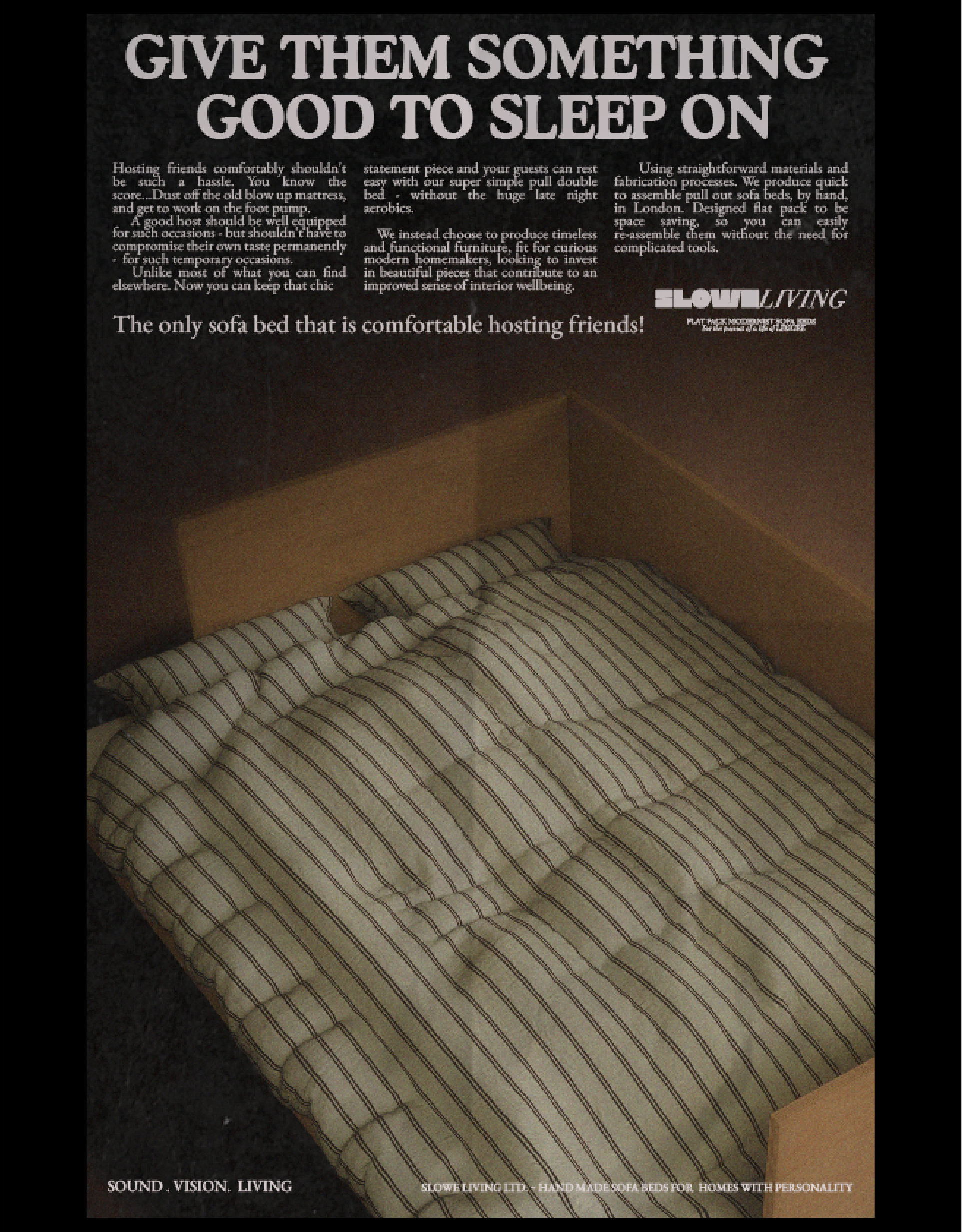
My ambition has never been to flood the market. It’s to contribute something considered to the conversation around how we live, what we keep, and what we value. If that resonates deeply with fewer people, rather than superficially with many, I’m very comfortable with that.
There’s a growing cultural conversation about living with less, valuing craftsmanship and resisting fast trends.
How do you see SLOWE Living fitting into that broader shift, and what do you hope it teaches people about how they live with objects?
I’d never want to tell people how to live or what they should buy. But personally, as I’ve got older, I’ve found a lot of freedom in owning fewer, better things, objects that don’t feel disposable or emotionally heavy.
That mindset is really at the heart of SLOWE. We design products to last, to be repairable, and to be supported over time, because life happens, things wear, spillages occur, pets get added into the mix.
There’s reassurance in knowing that when you invest in something, you’re not left on your own if something goes wrong.
Rather than chasing trends, we focus on making pieces that feel timeless and adaptable, furniture that can move with you through different homes and phases of life. Comfort, clarity, and longevity matter more to us than novelty.
If SLOWE teaches anything, I hope it’s simply that buying with intention can feel lighter, and that living with well-made, thoughtfully supported objects can quietly improve everyday life.
You’ve mentioned wanting to give space to other designers under the SLOWE umbrella.
How do you think a collective of slow-thinking creators might change the furniture/design ecosystem?
Running a business can be quite isolating at times, and I’m increasingly interested in creating space for designers who have strong ideas but lack the platform or infrastructure to bring them to life.
Large furniture brands tend to work with established names, which makes sense, but there’s also an opportunity to support emerging designers who are thinking more slowly and thoughtfully about how things are made and used.
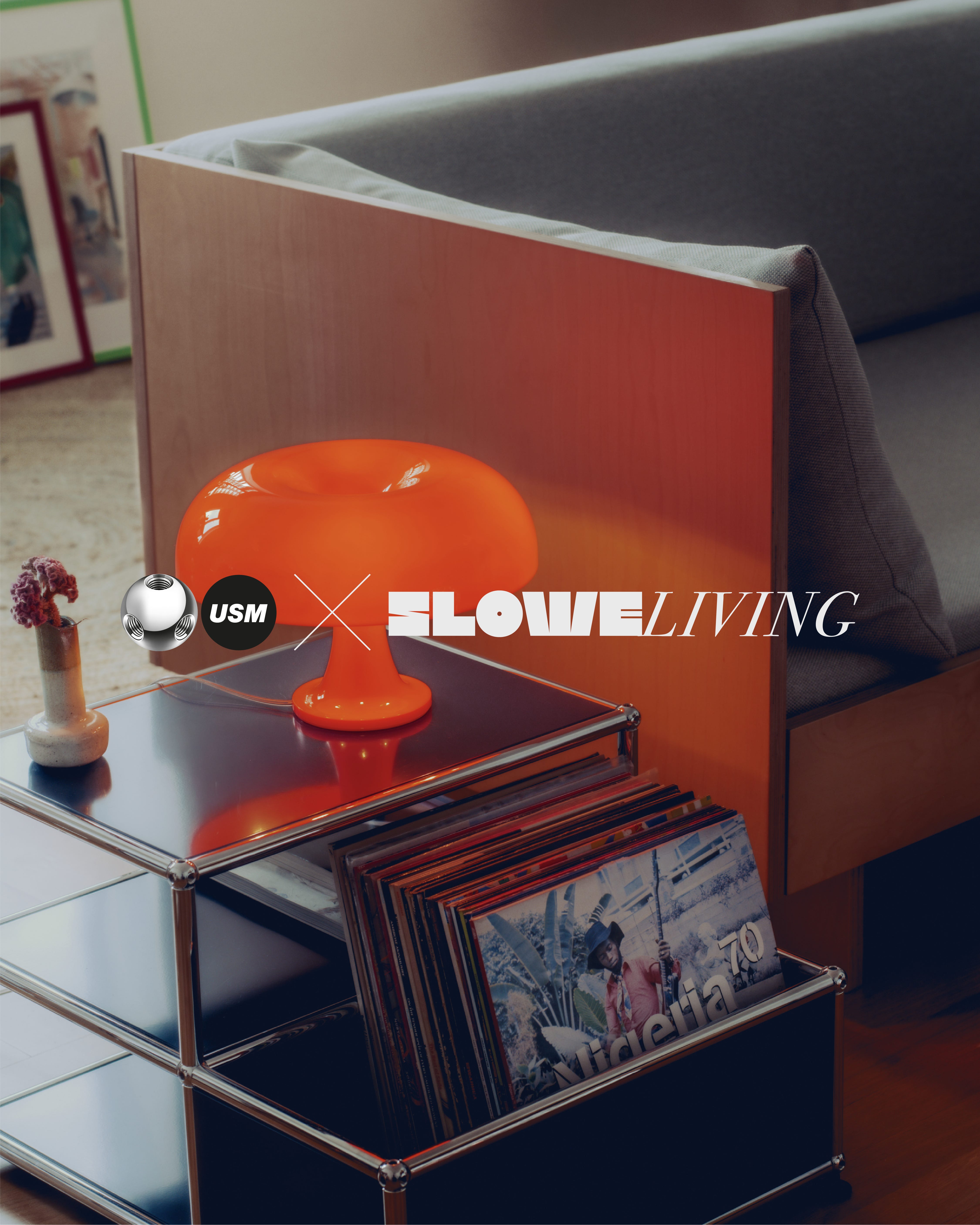
I’d love to see the opportunity for this to grow as the business does.
Because our products are modular and adaptable, they naturally lend themselves to collaboration. Different materials, finishes, and interpretations can sit within the same framework.
I like the idea of SLOWE acting as a kind of canvas, where designers, artists, and creators can contribute their own perspective and create meaningful conversations through design.