

Note: This piece is in partnership with G.H.Bass, but the framing in this article, along with the title and POV are mine; nothing was dictated by the brand.
The anatomy of the penny loafer
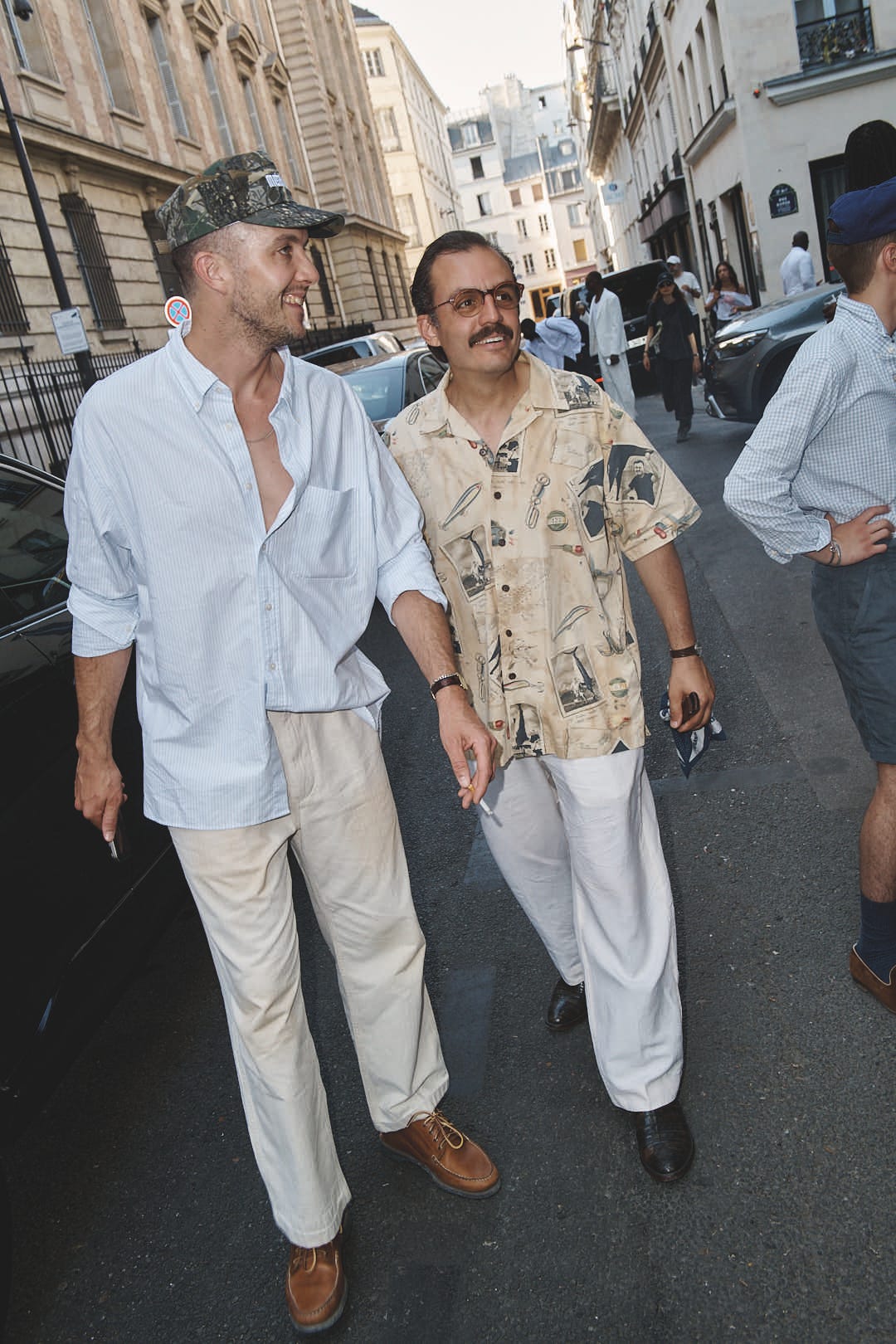
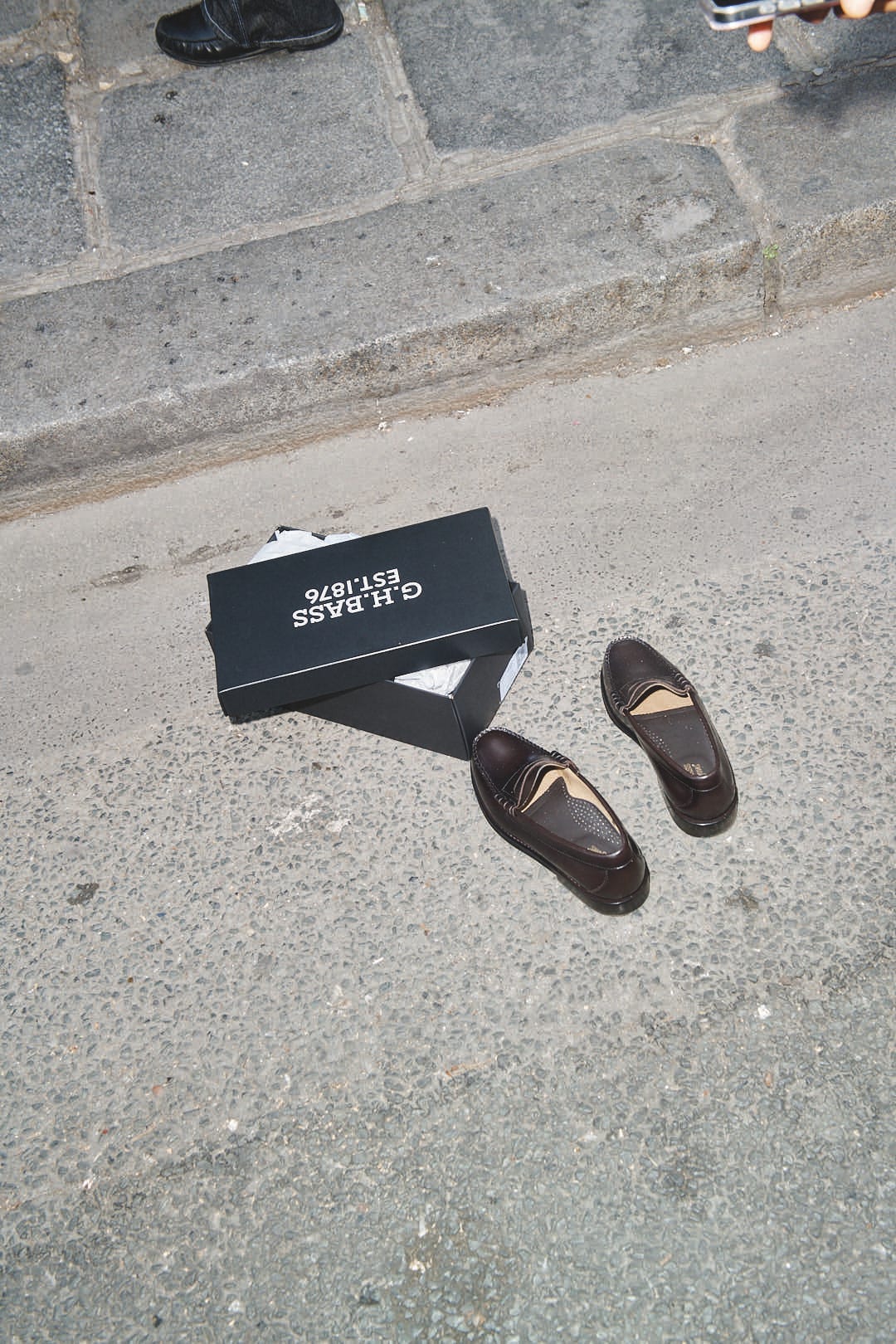
Last week we were in Paris for Men’s Fashion Week, where we were lucky enough to partner with G.H. Bass and deliver one of the better brand activations I’ve seen in a while.
To celebrate their 150th anniversary, they transformed La Patate Douce into The Penny Shoe Store, an installation designed to feel like a traditional American shoe shop. Guests picked a pair of loafers from the collection and wore them for the rest of the evening.
Sounds simple, and it was. But standing in that room, watching people walk out into a Paris evening in a shoe that’s been around since 1936, it puts something into perspective. Some brands are so foundational that celebrating them doesn’t require spectacle.
G.H.Bass has been making shoes since 1876. That means this brand existed before the airplane, before two world wars, before the rise of Ivy League style and prep culture and hip-hop and streetwear and every other cultural movement that has shaped how men dress in the last century.
Weejuns have outlasted all of it, not by reinventing itself with every wave, but by being exactly what it is, consistently and without apology. That’s rarer than it sounds.
The origins
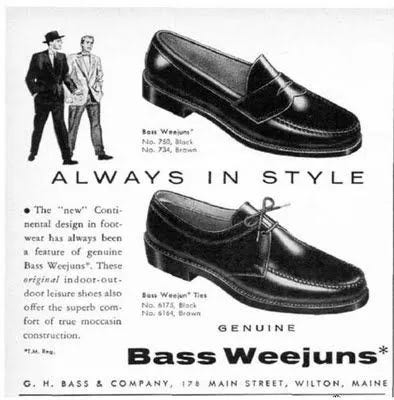
The name Weejun is short for Norwegian. British sportsmen who used to fish in Norway noticed the locally crafted slip-ons, and the style gradually made its way to European resorts and eventually to Palm Beach.
G.H.Bass got involved in 1936, updated the design, added the signature cutout across the saddle, and created what became the original penny loafer.
Legend has it that Ivy League students began tucking a dime, or a penny, into that front slot to use for the payphone, and that’s where the name came from.
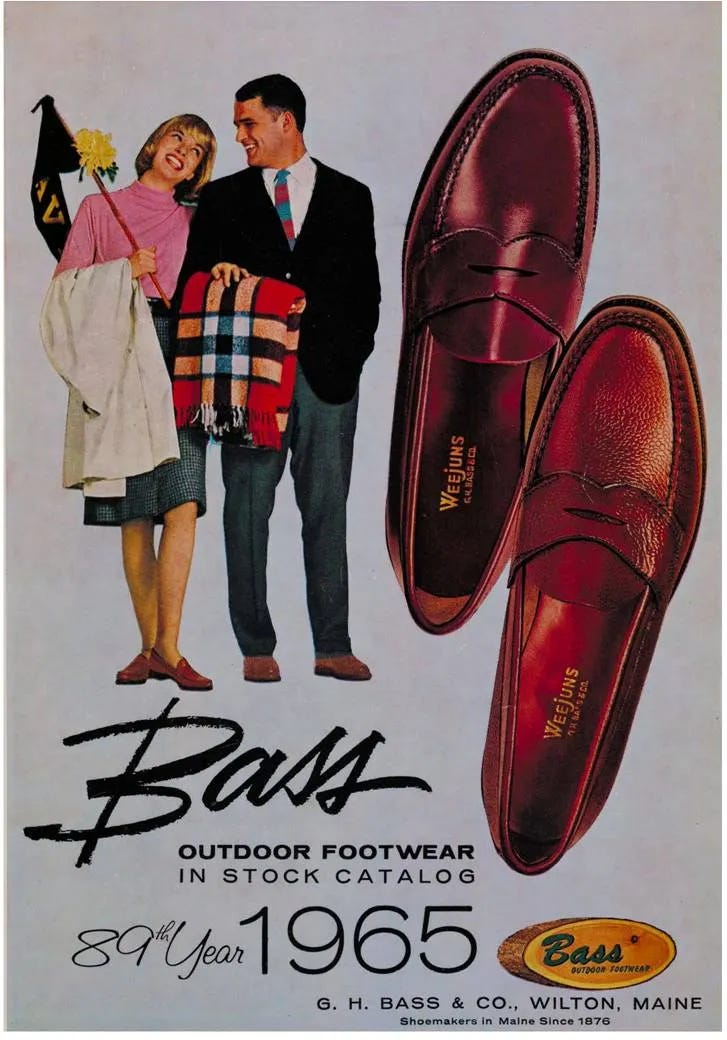
That’s the founding myth. But what makes it interesting is everything that happened next.
The shoe that every subculture claimed
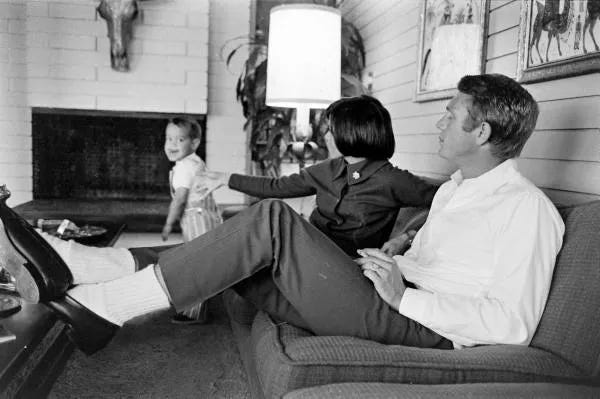
Over the past 80 years, Weejuns were adopted by almost every subculture going, from the mods of the 1950s to the British Rude Boys of the 70s and the Italian Paninari of the 80s, with each group blending the Weejuns seamlessly into their highly defined style.
That’s not an accident. It’s a function of the shoe’s design. Weejuns don’t announce themselves. It doesn’t have a logo on the side or a distinctive silhouette that reads as belonging to one specific world. It’s a clean, uncluttered shoe that carries whatever energy the person wearing it brings to it.
That’s why JFK could wear it to project effortless American authority and Michael Jackson could open the Thriller video in a pair of black Weejuns and both felt completely right.
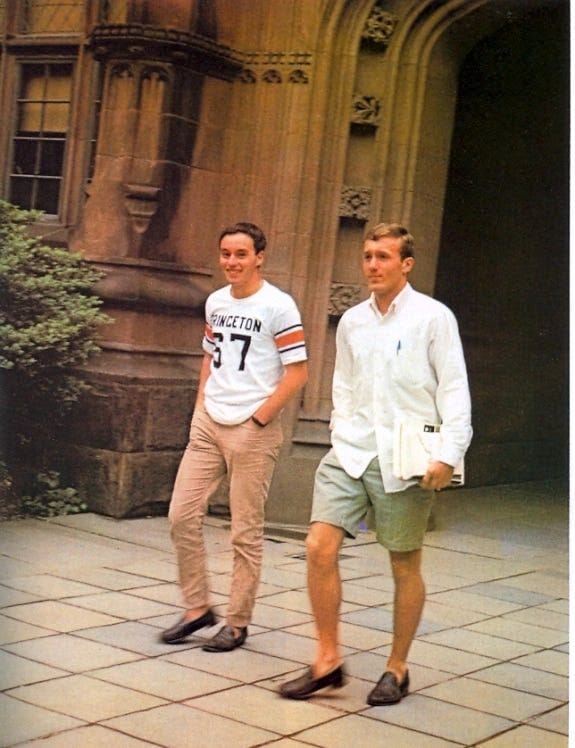
The Ivy League connection gave it one kind of cultural credibility. The subculture adoptions gave it something more durable: the quality of feeling simultaneously classic and specific to wherever you are.
Weejuns on college campuses in the 60s read differently than Weejuns in a London mod club in the 70s or on a street in Milan in the 80s. The shoe traveled across all of those contexts without losing itself in any of them.
What makes it worth understanding
The basic construction method for Weejuns remain the same tubular moccasin technique George Henry Bass pioneered back in 1876. This method sees a single piece of leather wrapped around the bottom of the last and hand-sewn to create a hammock for the foot. The outsole is resoleable.
The construction is built to last rather than built to be replaced.
This matters more now than it did twenty years ago. We’re in a moment where people are actively looking for things that hold up, things that were made with intention and can be repaired rather than discarded.
Weejuns were built that way from the beginning, not as a response to a trend but as a reflection of how G.H.Bass has always approached making shoes.
The Larson Weejuns specifically sit in that space between heritage and daily wear that’s genuinely hard to find. The whale tail penny keeper, the handsewn moccasin and beefroll stitching, the Blake stitch construction, the resoleable leather outsole. These aren’t design details added for aesthetics.
They’re the actual mechanics of how the shoe is made, and they’re the same mechanics that have kept it relevant across nine decades.
The Paris moment
What G.H.Bass chose to do with their 150th anniversary says something about how confident they are in the product itself. They could have done a runway moment or a celebrity seeding campaign or a limited-edition collab.
Instead they built a shoe shop and let people try on the classics. It was an activation built around the product, which is exactly the kind of confidence that only comes when you know the product can carry the weight.
Weejuns have been doing that for 90 years. I don’t see that changing anytime soon.