

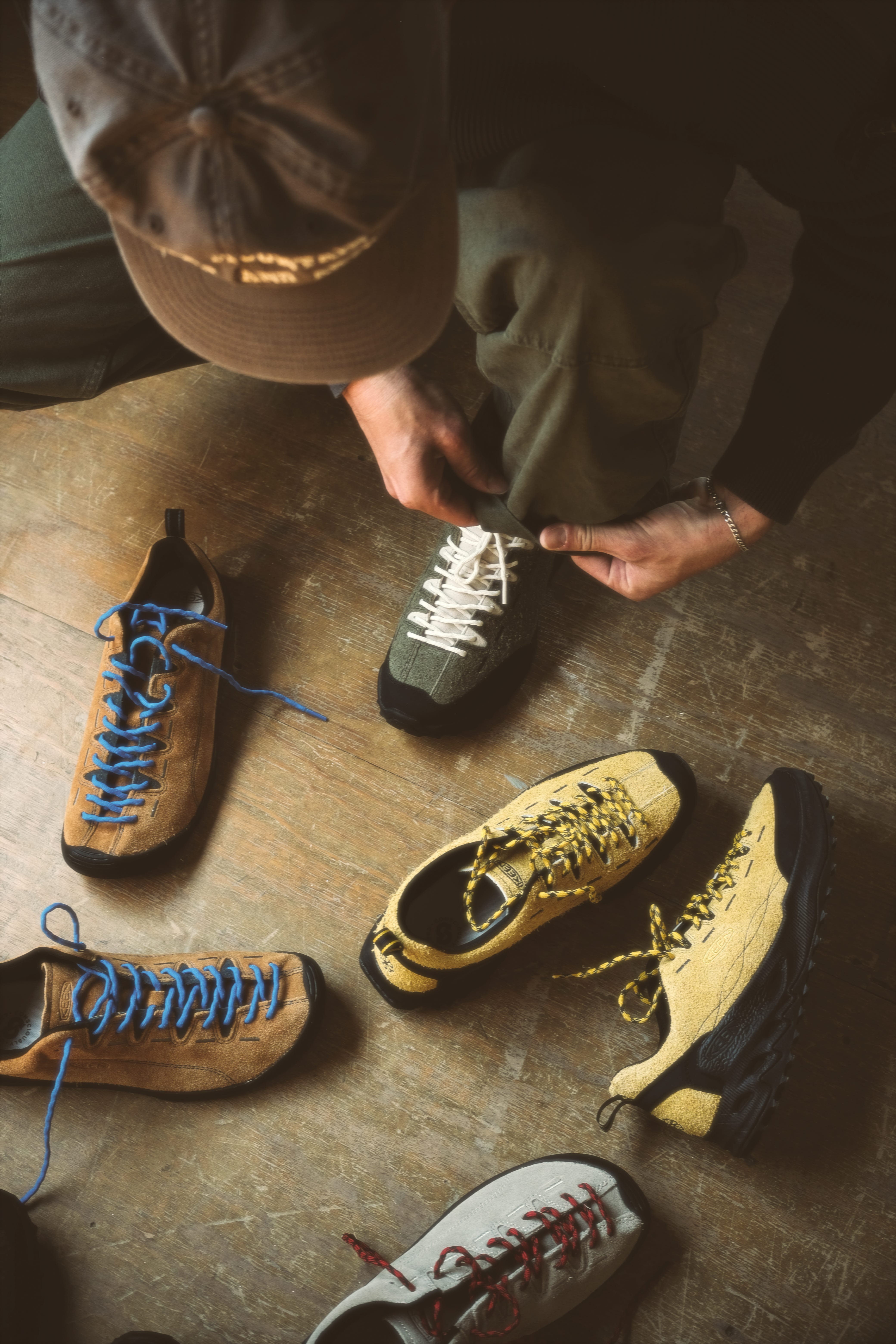
NOTE: While this piece is written in partnership with KEEN, the imagery taken in my studio. And the framing in this article, along with the title and POV are mine; nothing was dictated by the brand.
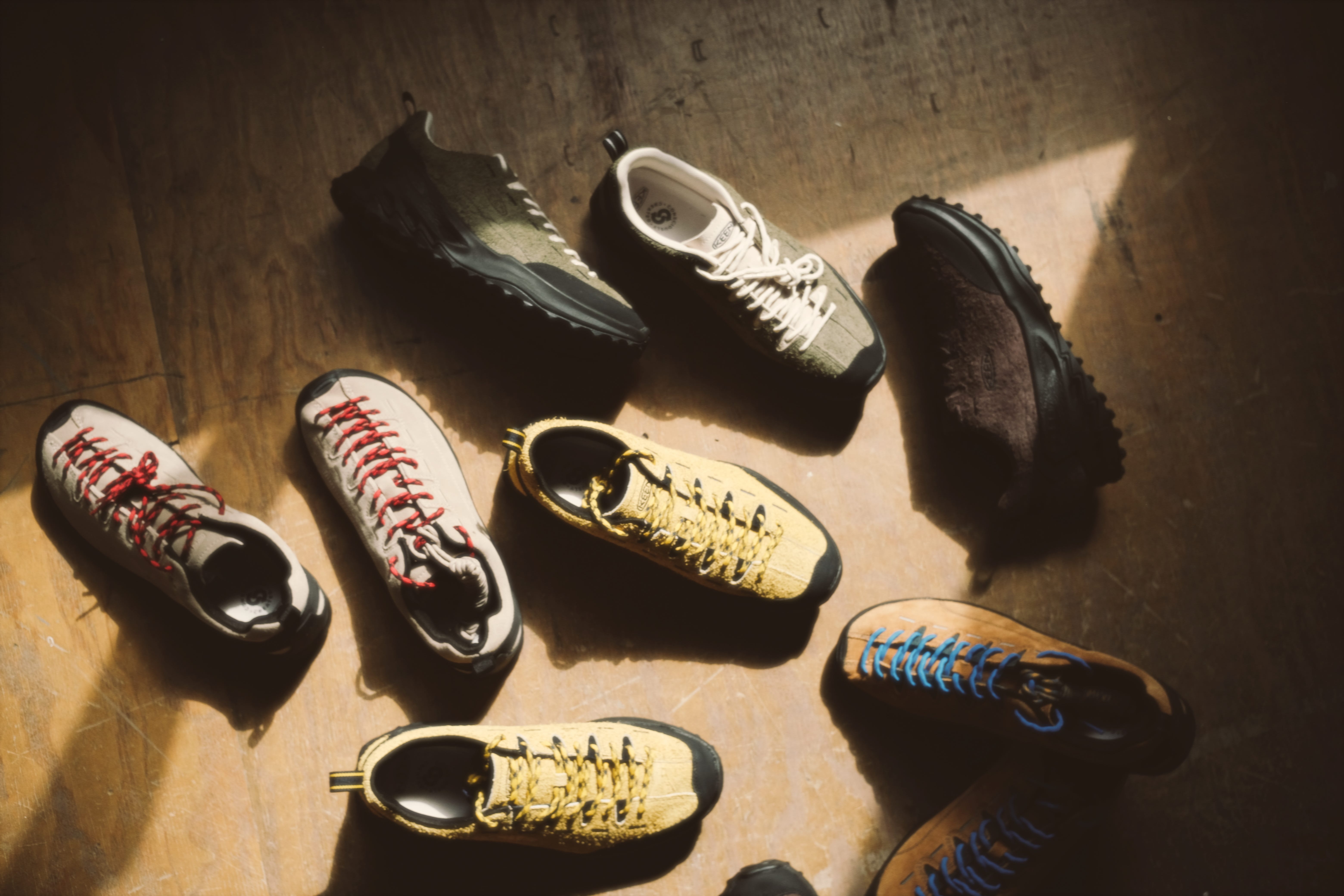
Picture this.
You’re at your local coffee shop, grabbing a pea milk cortado during the morning rush, and the guy in front of you is wearing a pair of KEEN Jasper Zionics.
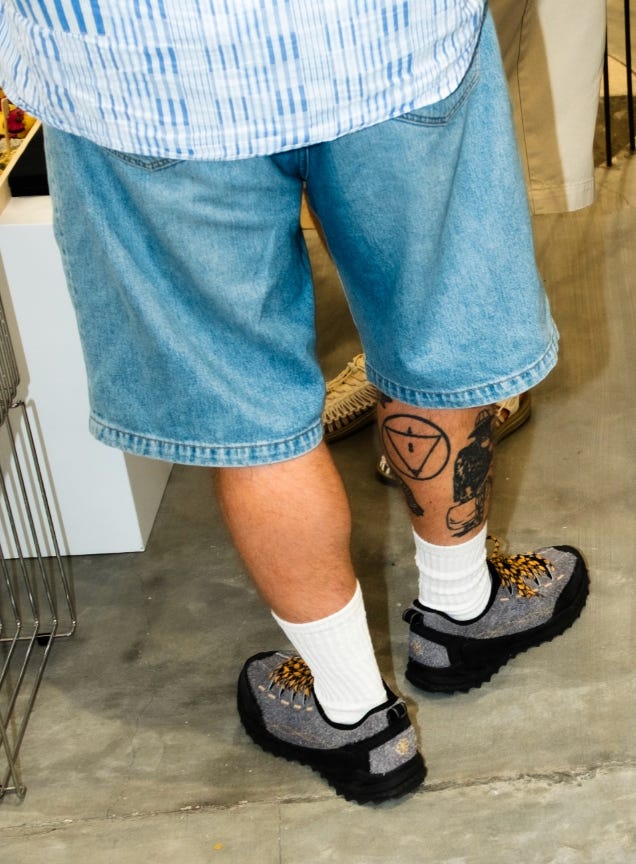
Less so in a “just got back from an early hike” way, and more so in a “just grabbing a coffee, mate” kind of way.
Or you’re at a natural wine bar, late, and in the corner of your eye, there’s a girl reading with a glass of wine, cigarette in hand, and approach shoes on her feet.
Meanwhile, the nearest mountain is nowhere in sight.

We call that the “approach shoe effect.”
And that’s the thing about approach shoes right now; they show up everywhere they technically have no business being, but nobody seems bothered by it.
But more importantly, this didn’t happen by accident, and it’s not because of Prada or Loewe.
Gorpcore’s influence in a post-sneaker world
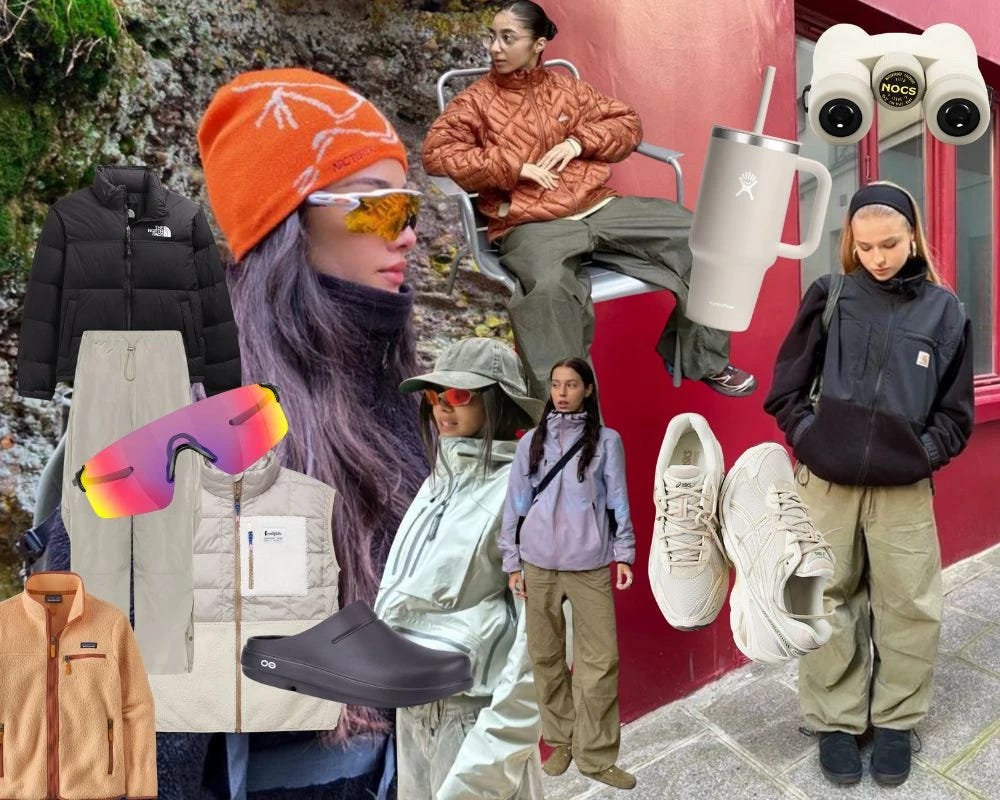
For the last few years, outdoor gear has been on a slow march into everyday dress. Gorpcore gave it a name, and it was all about the irony of dressing like you’re prepared for the elements, when you have no intention of engaging them.
Trail runners like the Salomon XT-6 were part of the first wave, along with Arc’teryx soft shells.
It was about chunky soles, bright, neon colorways, and silhouettes that felt more like objects or collectibles.
But over the last couple of years, gorpcore has gradually become part of people’s daily uniform. The aspiration is less about wearing something as a flex and more about whether it blends into your life.
We’ve seen this with brands like Vancouver-based HAVEN or Tarvas Footwear from Finland, both of which are designing incredible products.
They have this crossover between form and function. Creating items that are built for the elements, indeed, but designing them to feel acceptable in all settings and environments.
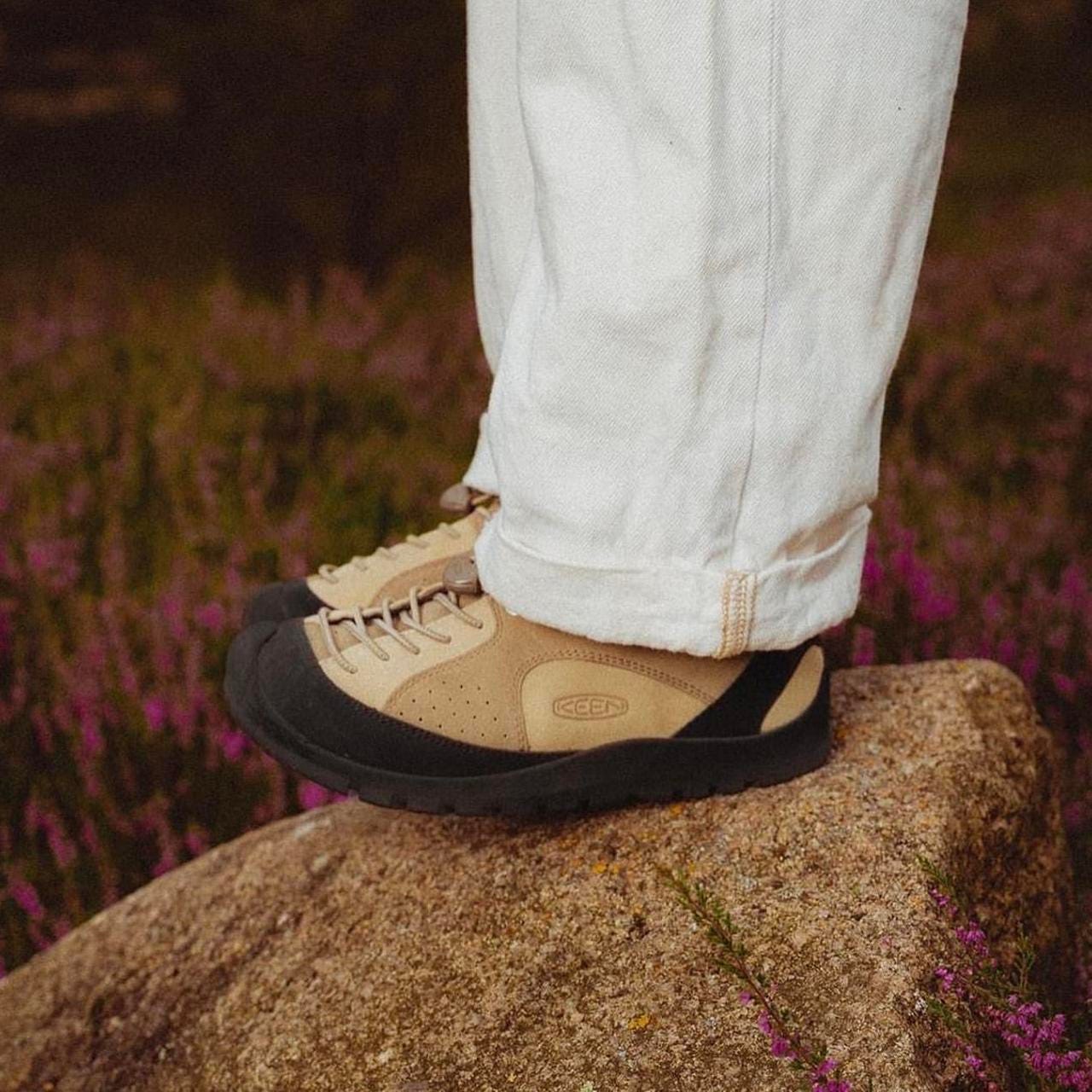
Ultimately, it’s a way of distancing oneself from the irony of it all.
This is where the approach shoe enters the chat.
Functionally, it’s a shoe you traditionally wear to “approach” a cliff before switching into climbing shoes. And it works because it’s stiffer than a trail runner, built with a rubber rand around the toe, has a proper lacing system that runs all the way down for a lockdown fit, and it has good enough grip to handle uneven terrain.
But the broader shift underneath this is that being physical, capable, and hands-on carries a different kind of status now than it did ten years ago. When most of life moved to screens, the people who were visibly doing things in the real world started reading differently.
Climbing, hiking, cycling, these aren’t merely hobbies anymore; they’re identity markers too. The gear that comes with them signals something about how you move through the world, not just what you do on weekends.
The rise of the approach shoe
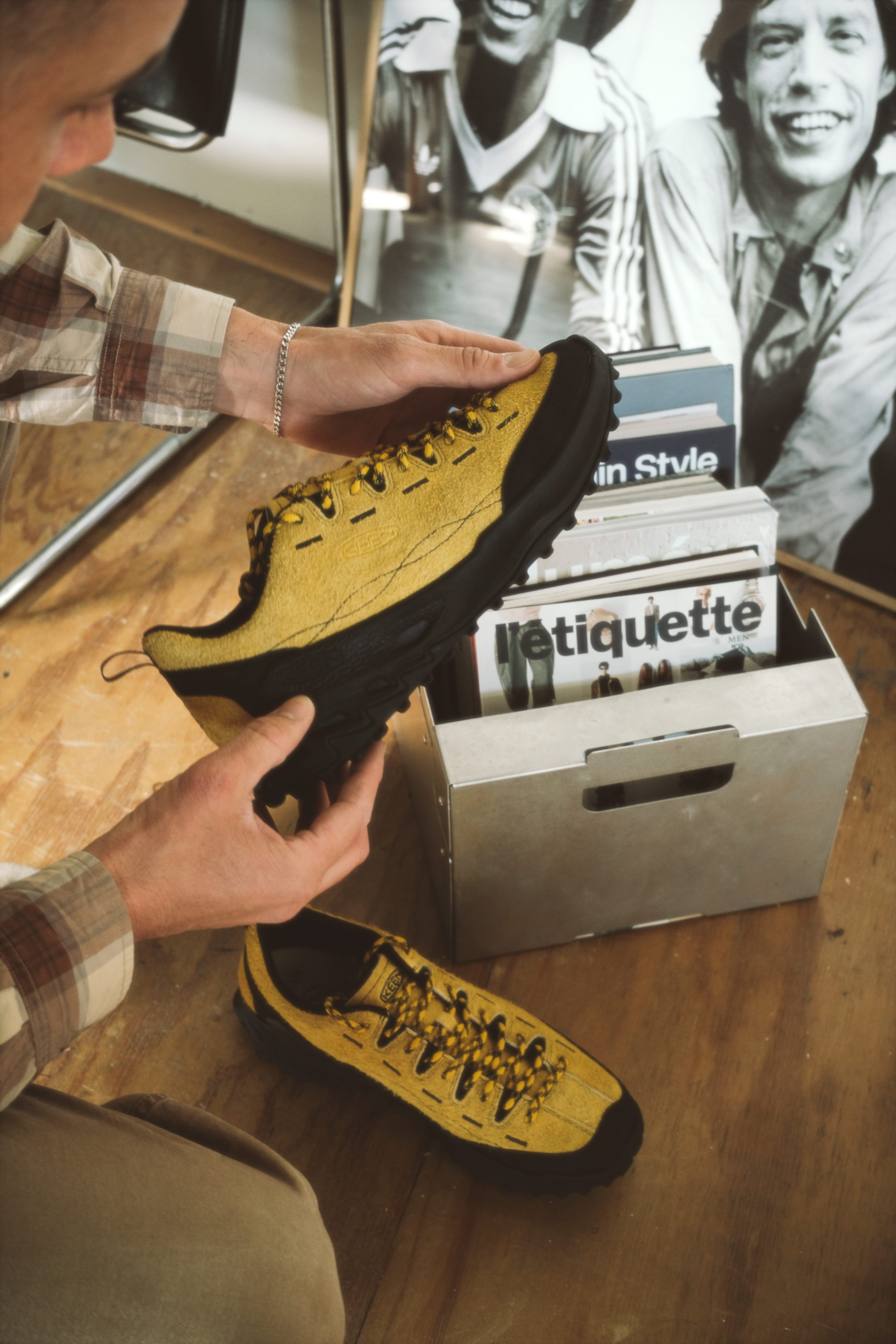
KEEN has been making the Jasper since 2008. No single campaign launched it into the culture, no singular fashion moment manufactured it into existence.
It was adopted by climbers first, who liked it for functionality’s sake.
Then it was adopted by people who liked how it felt.
Now it’s liked by people for the way it looks. It just sort of stuck around, which in footwear is the hardest thing to do.
It’s important to remember the context because of how everyone wants their own approach to shoes. Village PM has built strong credibility here, and their product is good.
Puma went back to a 2003 archive style and recontextualized it.
Loewe made one in royal purple.
Prada launched one at $1,100. The logic is the same across all of them: borrow the silhouette, apply the branding, and let the cultural moment carry it.
But Bouldering gyms have grown 76% across the US in the last decade, and climbing has become what cycling and running were, a city sport with a social layer, its own aesthetic, its own community.
The people coming out of those gyms aren’t looking for fashion shoes, necessarily, but they’re also not opposed to a shoe that works in the gym and works walking to dinner afterward.
The approach shoe answers that.
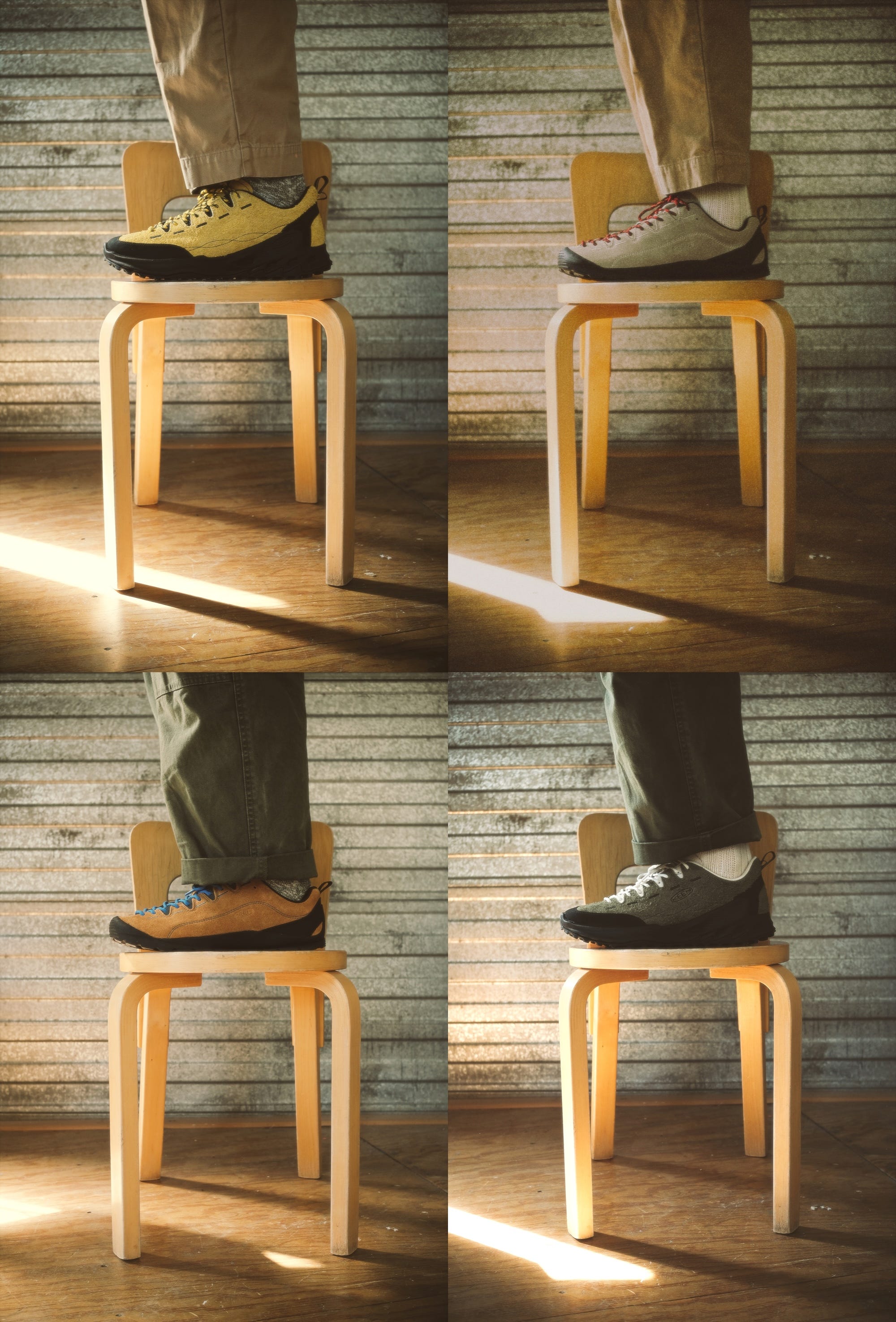
A lot of the newer players in this market are overindexing on footwear design by using “creative references.”
But the KEEN Jasper has a purpose and use.
When Prada makes an approach-adjacent shoe, they’re recontextualizing the idea of function. KEEN never had to recontextualize anything, because they are the context.
And the Jasper Zionic operates similarly. It’s cleaner and lighter, but it carries the same DNA, updated for how people actually move now, across cities, into gyms, up crags, and back to the coffee shop.
And while people don’t have to use a shoe for its intended purpose, if it respects the original intention in its design, that’s paying homage. That’s a harder line to walk than it looks, and most brands that chase a trend don’t have the foundation to do it.
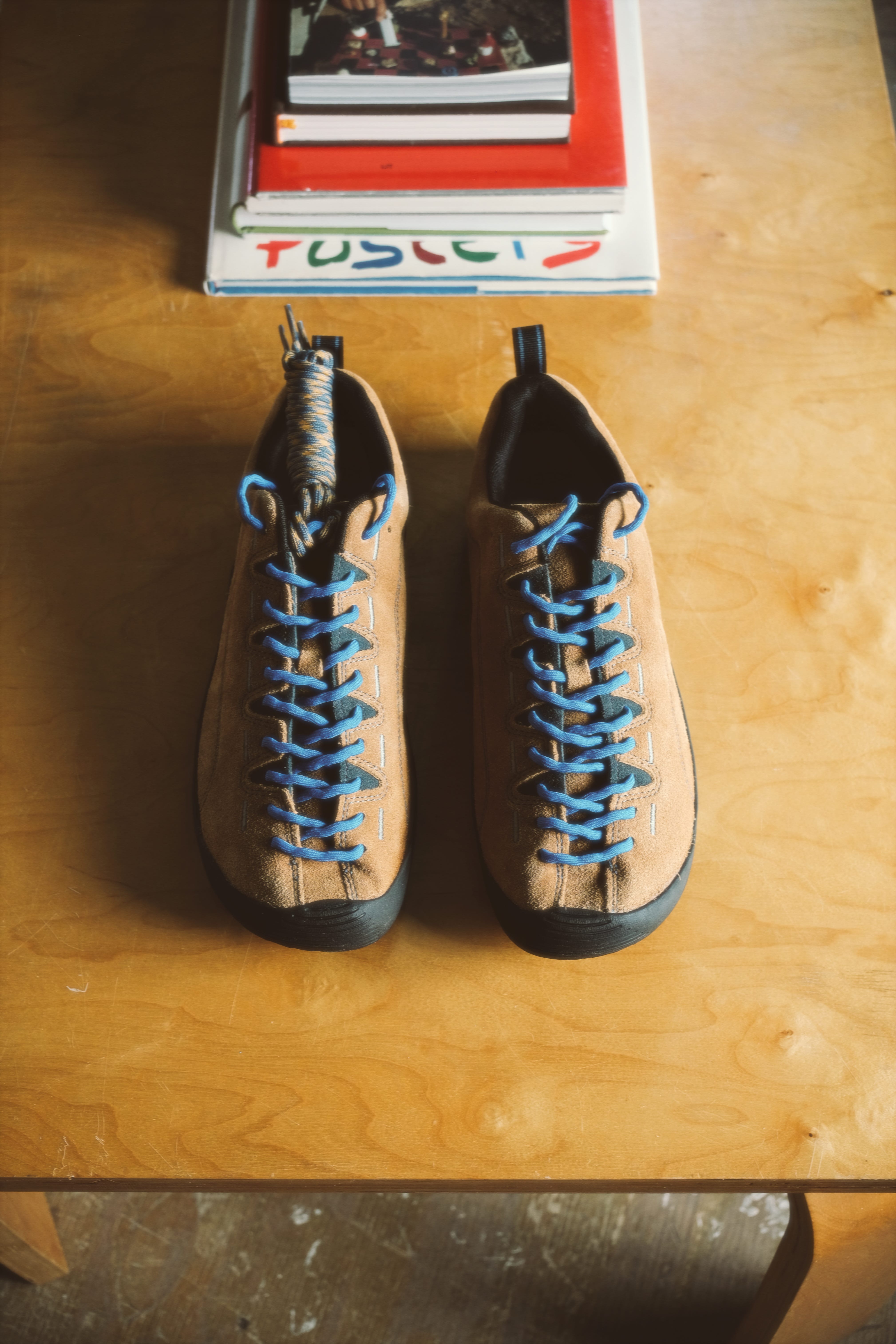
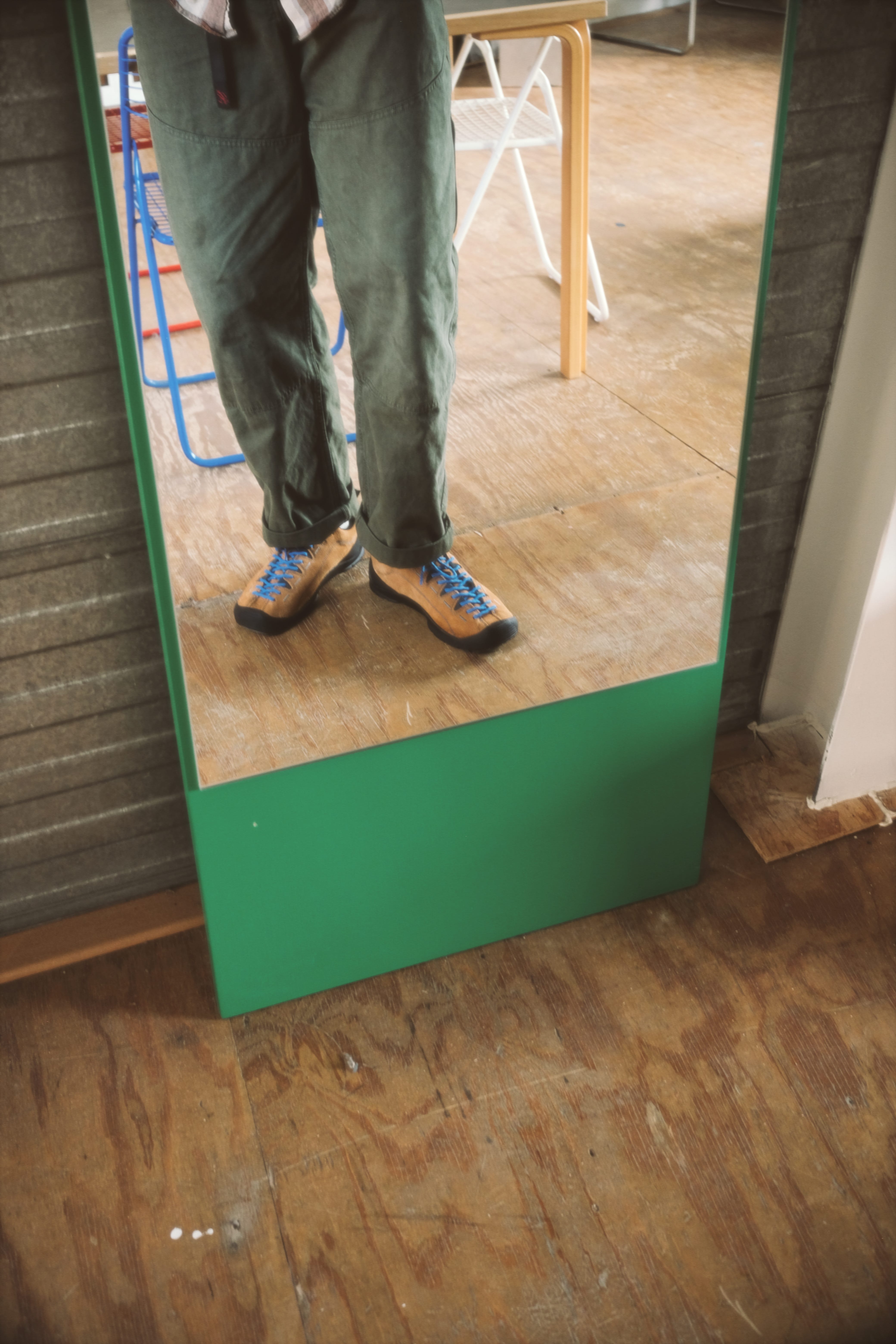
While most brands launching into this space right now started with a mood board, KEEN started with a real, practical use, something that compounds over time. They don’t need to chase a trend to keep pace because they’ve already done the work.
And that’s something no other bra nd can simply copy and paste.

I’ve been tracking these https://tarvasfootwear.com/collections/easy-hikers for a couple of months (apologies if this was on your recommendation) just hoping they are coming back into stock soon!
I've been wearing various colors of Italian Asolo Space shoes for years. These 'approach' shoes are comfortable and durable. Soles are replaceable too. Had to order mine from Spain for awhile, though.