

A visit to the source
Patagonia continues to fascinate me.
From its early fleece innovations with Polartec to its unimpeachable staples like the Patagonia Baggies, Stand Up Shorts, Retro-X, Synchilla, and Nano Puff series. And while the brand intentionally avoids ballooning its SKU count season after season, it’s constantly trying to shrink something else: its environmental footprint.
Whether through regenerative organic cotton, the Worn Wear program, or simply encouraging customers to buy less altogether (courtesy of its accidentally iconic 2011 “Don’t Buy This Jacket” campaign), Patagonia somehow manages to make restraint feel radical.
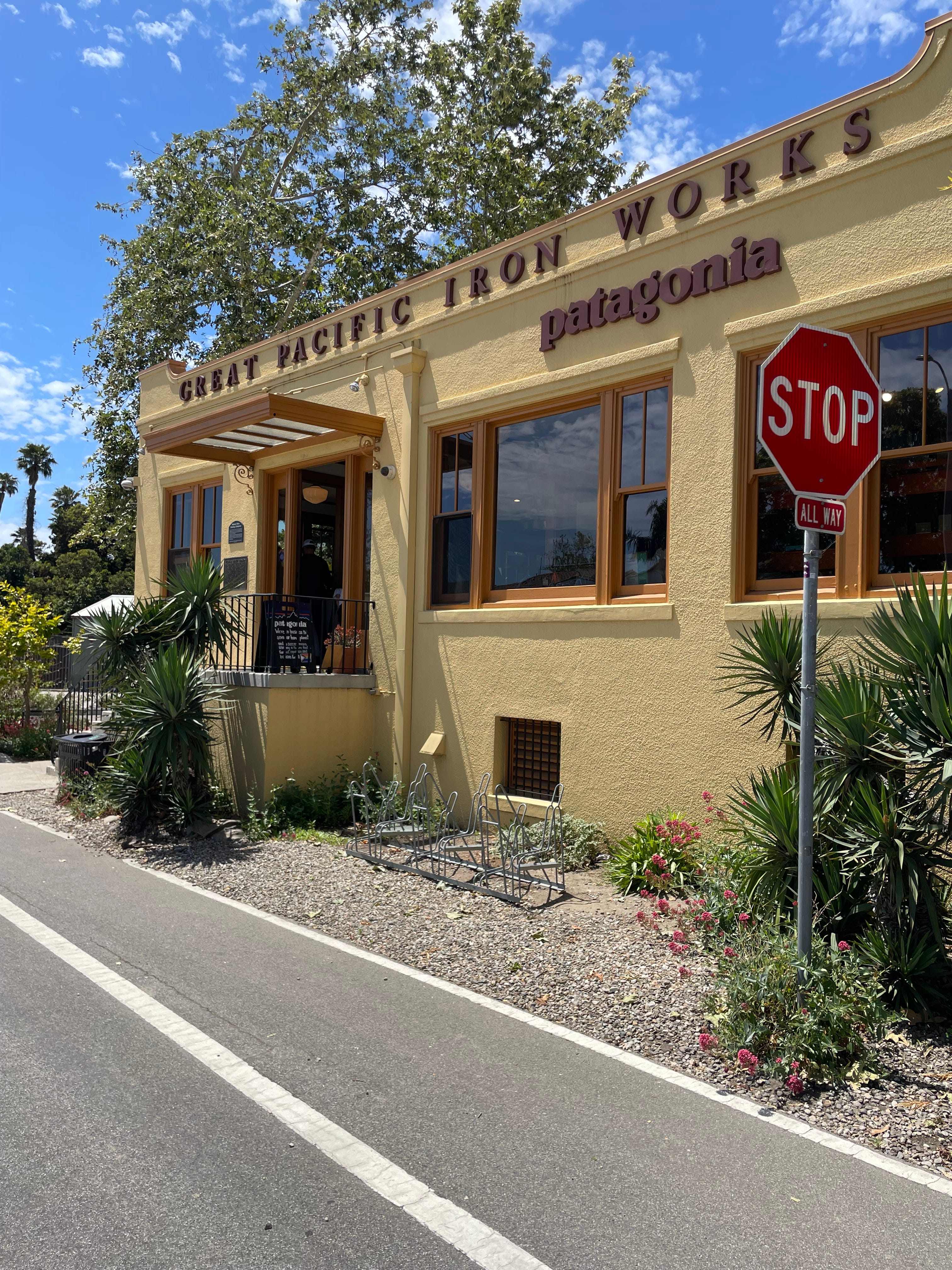
Patagonia was kind enough to invite me to their HQ in Ventura. And while I wouldn’t call Patagonia a small company, it still operates with the feel of a lean, family-and-outdoors-first business.
There’s on-site childcare, philosophy classes for employees, and the kind of culture that sounds made up until you hear it firsthand.
One employee told me that during a seminar, they sampled a cheap chocolate bar alongside an expensive one, then had to explain the difference in quality and how that mindset should apply to the brand. Which is incredibly insightful, or the most Patagonia way possible to discuss textiles.
That was just a small taste of the experience. The cafeteria alone felt like it could’ve been outsourced to the Hillstone restaurant group, it’s that good.
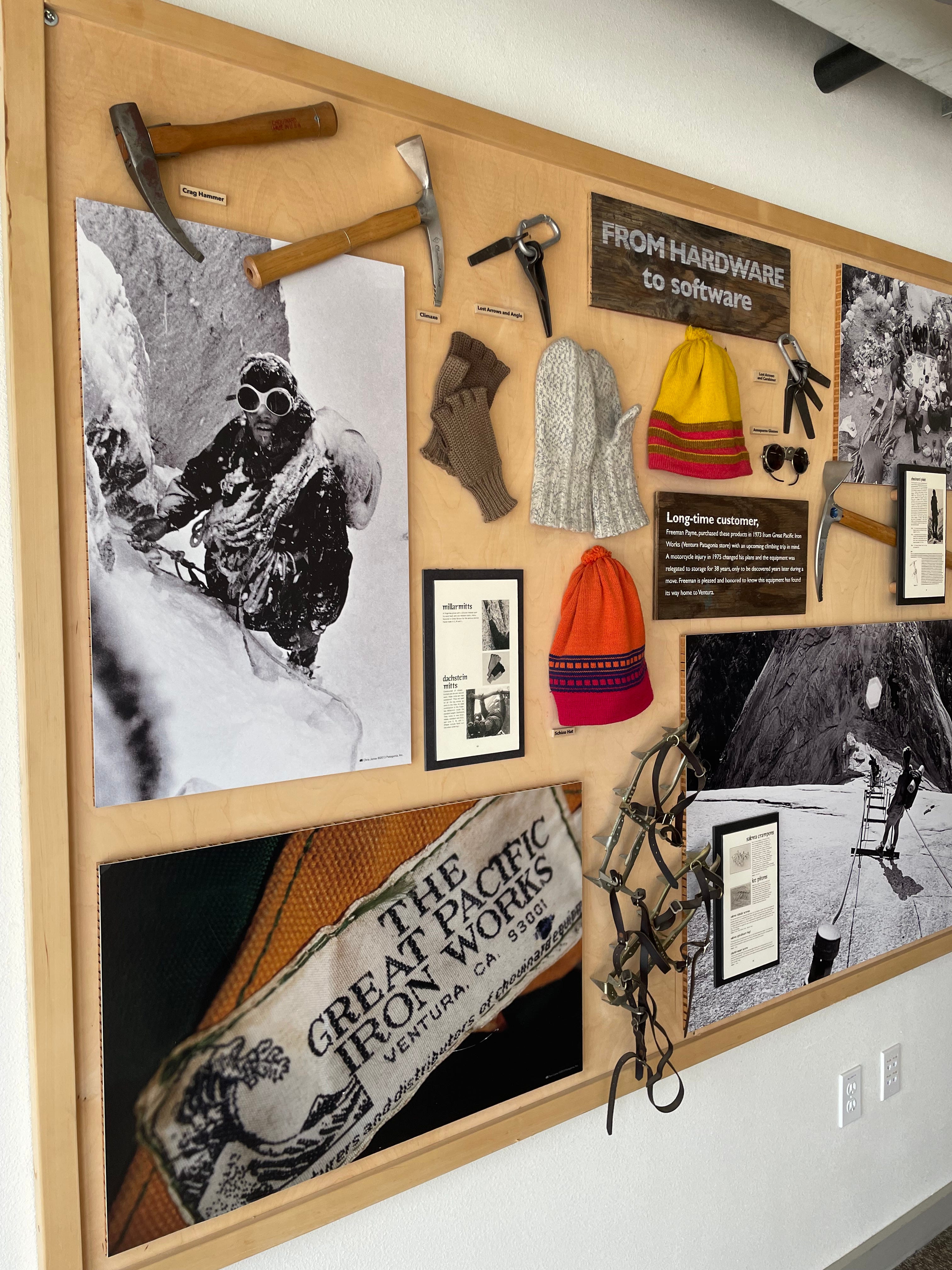
During my day at the house Yvon built, I went surfing for the first time to test Patagonia’s upcoming improved wetsuits, combed through archival pieces, visited the material lab, previewed the FW26 collection, and walked through the original Great Pacific Iron Works shop.
Somewhere between all of that, someone finally explained the meaning behind Patagonia’s line, “Earth is our only shareholder.”
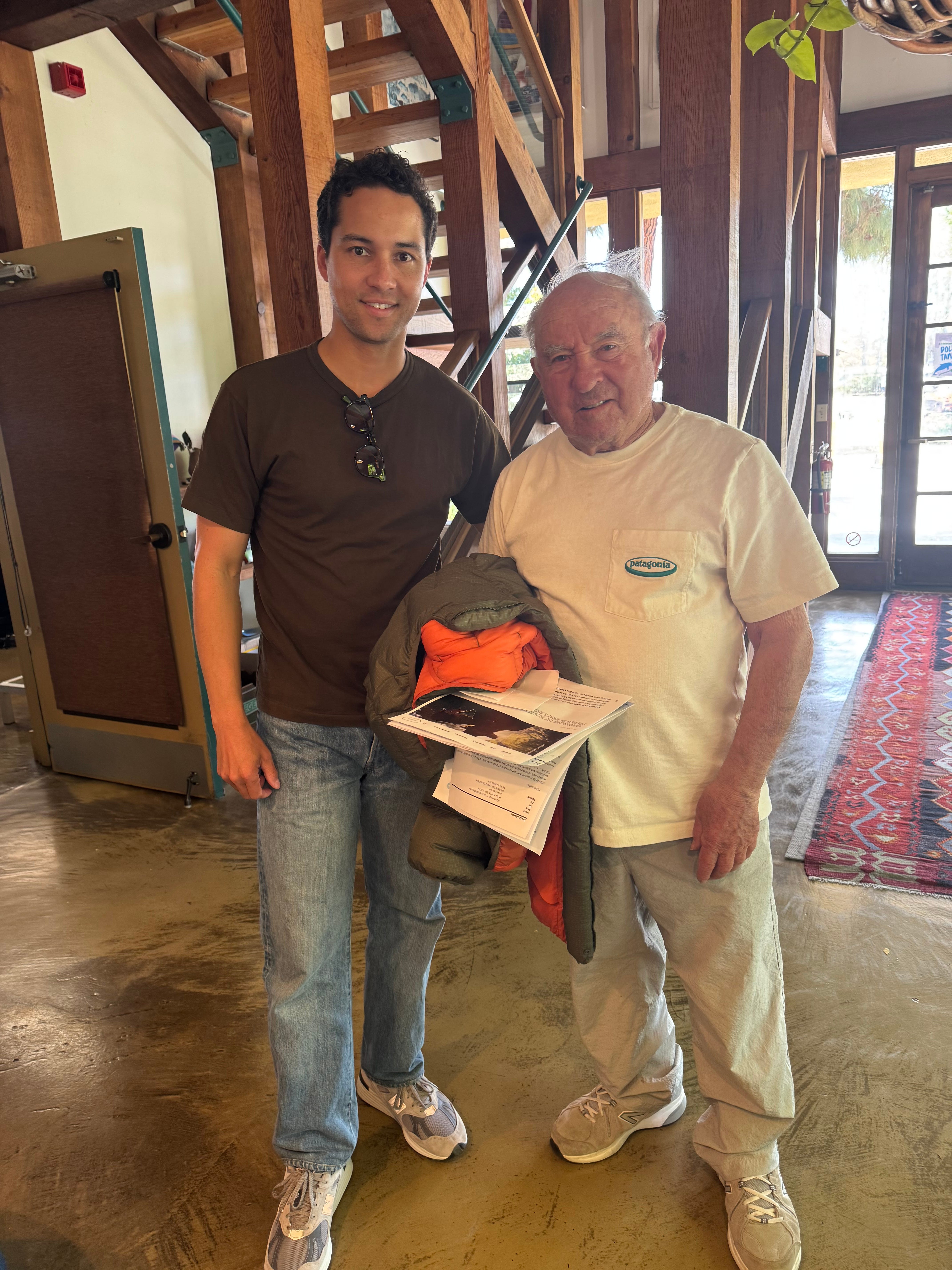
Oh, and by pure luck, I also met Yvon Chouinard himself, who casually told me which jacket he’s most excited about right now.
Early one morning
I went surfing, and let me tell you: wetsuits are a motherf**ker to put on. It was my first time getting on a board, learning about swells, and trying to decode all the lingo (like point breaks and choppy versus dumpy). In between eating shit a few times and getting absolutely humbled by the ocean, I learned about one of Patagonia’s more slept-on categories: wetsuits.
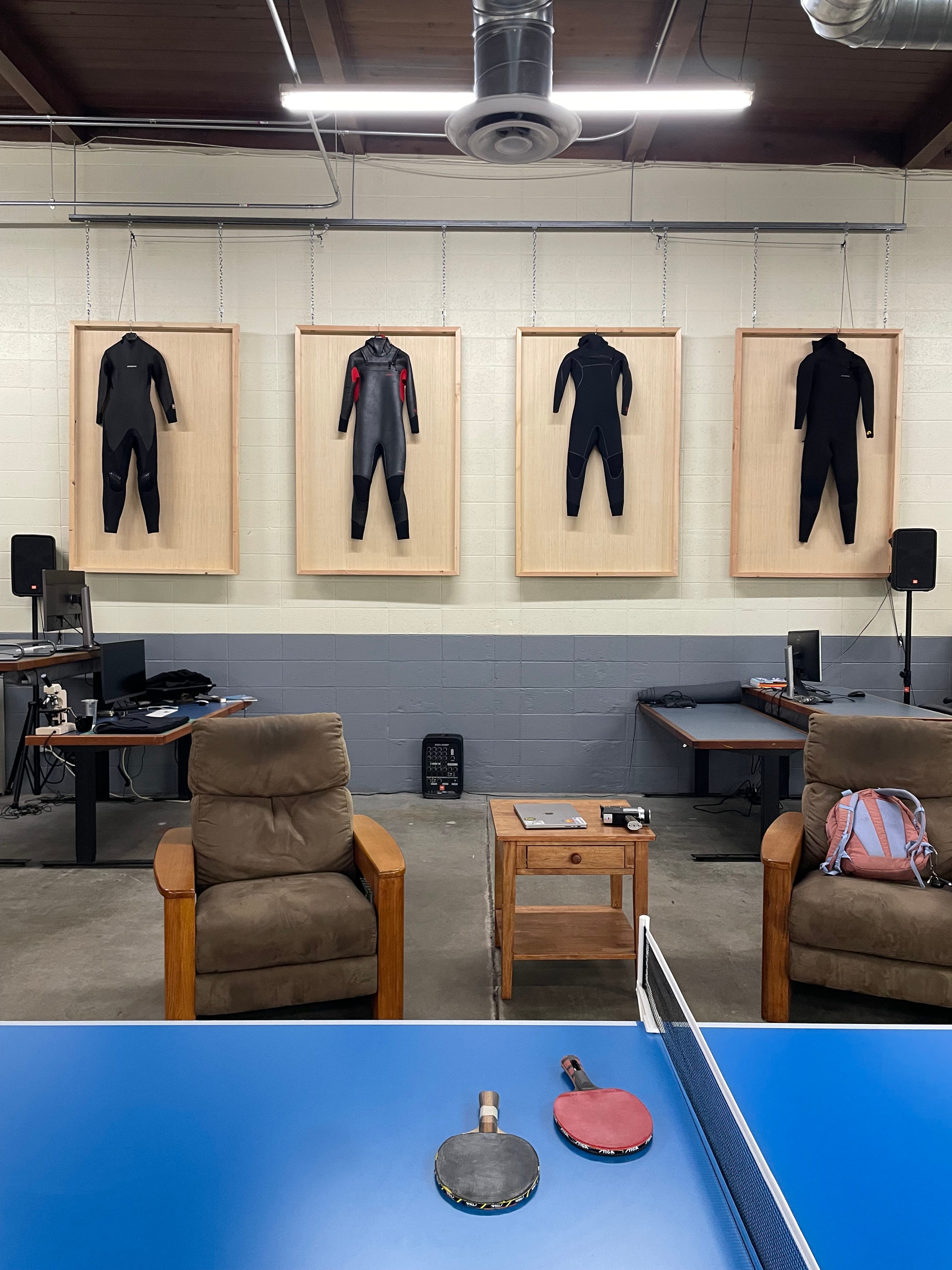
The water was around 50 degrees Fahrenheit (about 10 Celsius), and this thing kept me warm. The brand is rolling out new and improved versions this fall, with a reengineered fit for added flexibility and extra thickness for warmth.
There’s also a U-zip entry that makes it way easier to get on and off. It’s made with NetPlus (100% recycled fishing nets) and backed by a lifetime warranty.
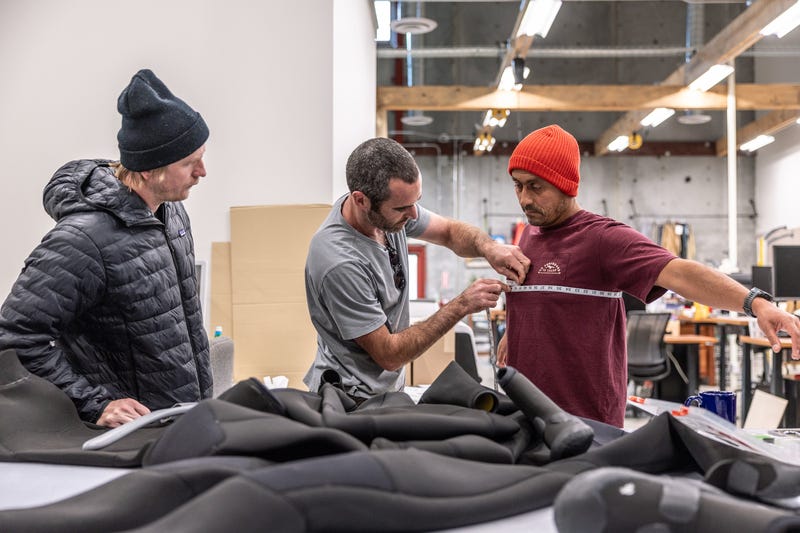
I’ve also learned that wetsuits aren’t cheap, but they’re kind of the MTM suit equivalent for surfers. You can tweak the fit, make repairs, and keep them dialed in for years.
Patagonia’s repair program lets you send in wetsuits from any brand to its Wetsuit Repair Forge for tears, fin cuts, holes, cuff replacements, panel repairs, and zipper fixes, with an estimated 8-week turnaround.
More than anything, it’s further proof that Patagonia actually stands behind the idea of making products that last a lifetime.
Into the archives
Patagonia’s archive is the kind of thing that fascinates people who were wearing the brand back when it was still called Great Pacific Iron Works, and it’s also become a gateway drug for a new generation discovering the label through secondhand dealers and vintage obsessives alike.
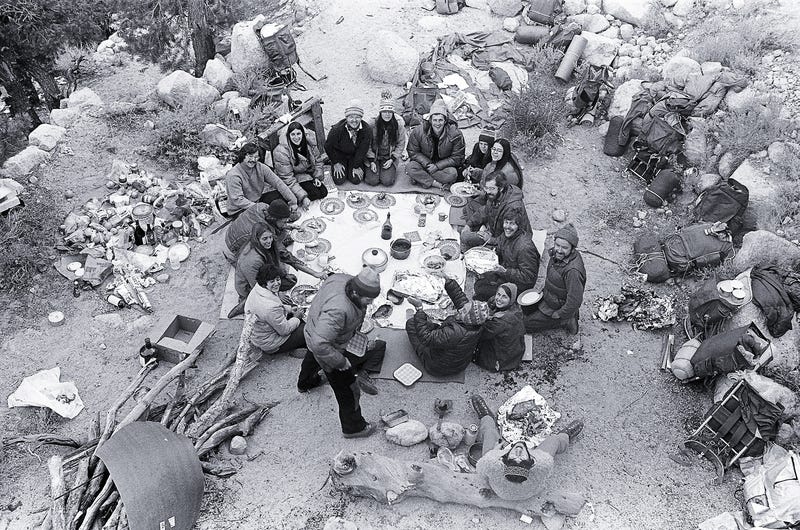
Although Patagonia has no shortage of pieces worthy of archival status, the company has only been doing this in a formal way for a little over a decade. It started with former employees digging old jackets, fleeces, and forgotten grails out of their garages and bringing them in to help build a home for the brand’s history.
Now, some of those same employees oversee the entire archival process, deciding what deserves preservation and what becomes part of Patagonia lore.
While I couldn’t get into the full-fledged archive room, they did bring out ten pieces for us to handle and inspect. Seeing the quality up close made it easy to understand how those older garments informed today’s designs.
The Retro-X, for example, originally used wool and a much heavier membrane, whereas the current version has evolved into a recycled wool blend with a lighter, more breathable recycled membrane.
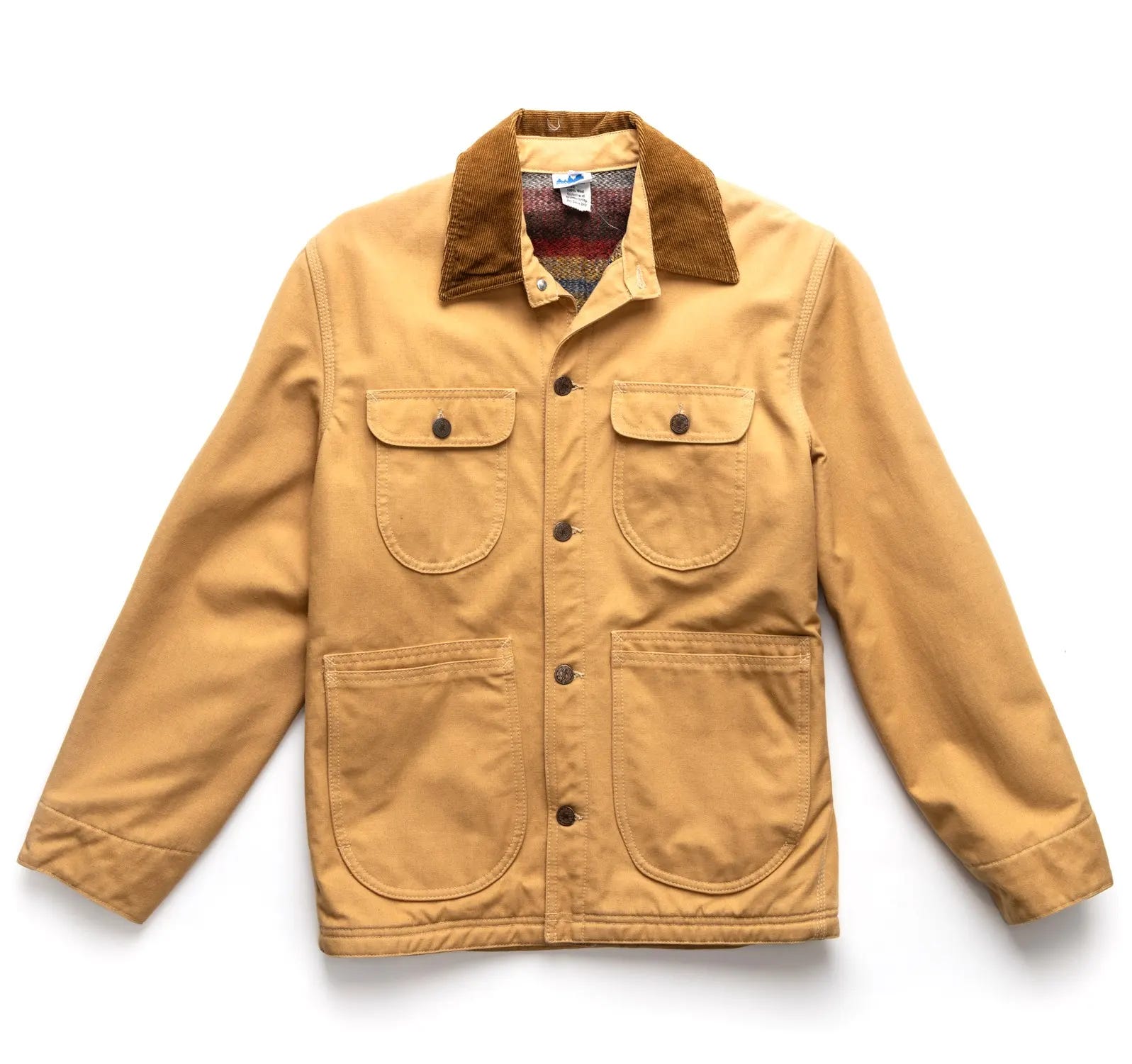
Progress is beautiful, sustainability is great, but Patagonia, if you’re listening: please bring back the Range Coat. That thing is absolute outerwear perfection.
Where the magic happens
On my one-day tour, we briefly stopped at the Forge, where new products and collections are dreamed up, tweaked, and occasionally sent back to the drawing board. Then came the Color Lab, which feels equal parts science experiment and mad-genius workshop, the kind of place where real innovation happens.
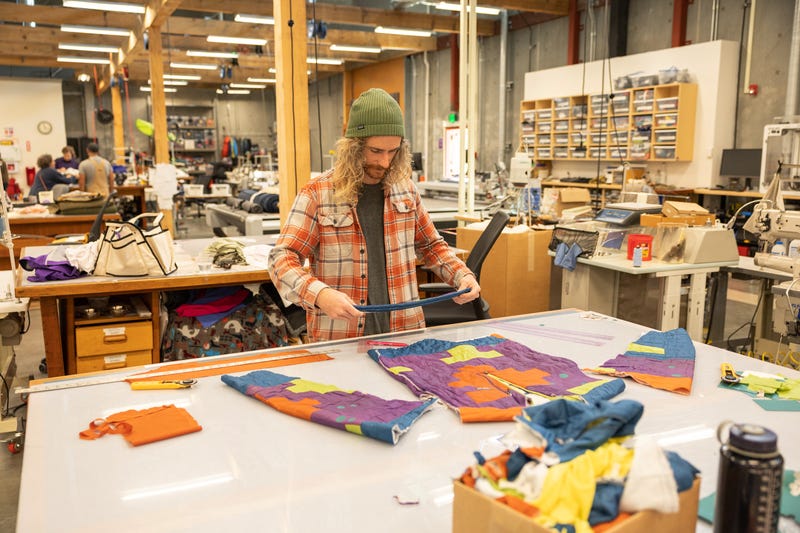
Inside, they’re testing everything from waterproofing and abrasion resistance to color matching and how fabrics break down over time, so they don’t break down on the customer. It’s like a stress test for clothing—all to make sure consumers can own, repair, and extend the life of a product for years.
Standouts from FW26
Being a product-obsessed enthusiast, one of my favorite parts of the day was getting a preview of a few standouts from the upcoming FW26 collection. Design Director Carrie Childs walked us through the textiles, while Senior Color Designer Sasha Ritter explained the research trips that inspire the prints, all of which are designed in-house, never outsourced.
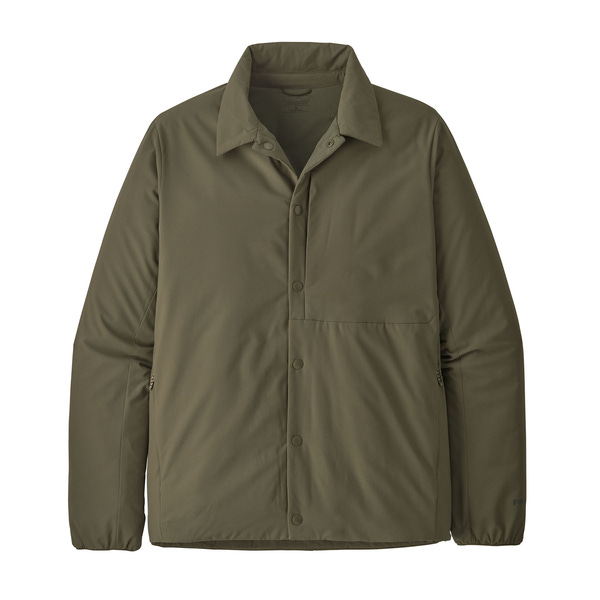
At one point, she mentioned that one print was inspired by a group of penguins huddling together. Then Mark Little, Senior Director for Lifestyle Essentials, guided us through the rest of the collection.
The Nano-Air collection is expanding into all kinds of outerwear territory: hooded jackets, button-down overshirts, even vests. The material is absurdly good. It’s lightweight, moisture-wicking, and somehow insulates like crazy without making you feel overheated.
The whole idea is temperature regulation, whether you’re layering up for a summit push, jogging, or hanging around base camp.
They’re also doubling down on down, from Yvon Chouinard’s favorite durable down hoody to ultralight options. Everything uses 100% responsibly sourced down with 800-fill power.
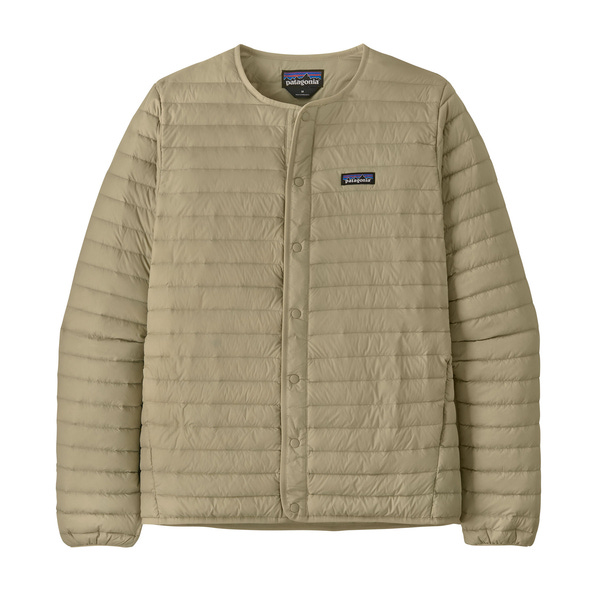
My favorite piece was the Lightweight Down Sweater Cardigan, which reminded me of the Engineered Garments x UNIQLO collab from a few years back, especially with its military-inspired utility details. It’s cool seeing them lean further into more fashion-forward SKUs while still keeping the performance side of the equation intact.
Who owns Patagonia
Back in 2022, you probably saw this quote flooding the news cycle: “Earth is our only shareholder.” People thought, Cool, a billionaire doing something good with his earnings, but what did it actually mean?
This was the last stop on my day-long trip to Patagonia’s HQ, and I appreciated someone from their comms team sitting down with us to explain it.
Before the restructuring, Melinda and Yvon Chouinard were essentially playing Santa Claus each year, writing checks to various environmental causes. But once they declared Earth as the company’s “shareholder,” they were able to completely restructure Patagonia.

The company is now owned by Holdfast Collective and the Patagonia Purpose Trust.
Holdfast Collective is a collection of nonprofit entities that owns 98% of the company and all nonvoting stock, while the Patagonia Purpose Trust owns the remaining 2% and all voting stock.
As a 501(c)(4), Holdfast Collective uses every dollar it receives to fight the environmental crisis and protect nature and biodiversity.
Funding for Holdfast Collective comes directly from Patagonia. Each year, excess profits—the money left after reinvesting in the business are distributed as dividends to Holdfast Collective to fund its work.
So instead of the Chouinards writing a handful of large checks to a few environmental or agricultural causes at the end of the year, this new structure allows Patagonia’s profits to continuously support a wider range of initiatives.
incredible piece!