

Earlier this year, during a company press conference for Goldwin, President and CEO Takao Watanabe was asked about the brand’s biggest challenge in 2026. His response was simple: “Never follow the crowd.”
For a brand that is 76 years old, I think that mindset continues to drive its innovation and keep it at the forefront of the intersection between lifestyle and performance.
Before the label became known for its slopes-to-streets aesthetic, the company was the postwar dream of its late founder, Tosaku Nishida, who started a knitwear business in 1950.
The following year, he incorporated the business under the name Tsuzawa Knit Fabric Manufacture Co., Ltd. The company began making climbing socks in 1952 before expanding into sweaters and sports apparel and eventually launching the Goldwin brand in 1958. In 1963, the business formally changed its corporate name to Goldwin Co., Ltd.
Goldwin General Manager Takuya Kinami credits the climbing socks as one of the company’s most pivotal products, as they established a method of craftsmanship that remains central to the brand today: “Beginning with the specific needs of the user, choosing the appropriate raw materials, and improving every detail, including those that were not immediately visible,” he says.
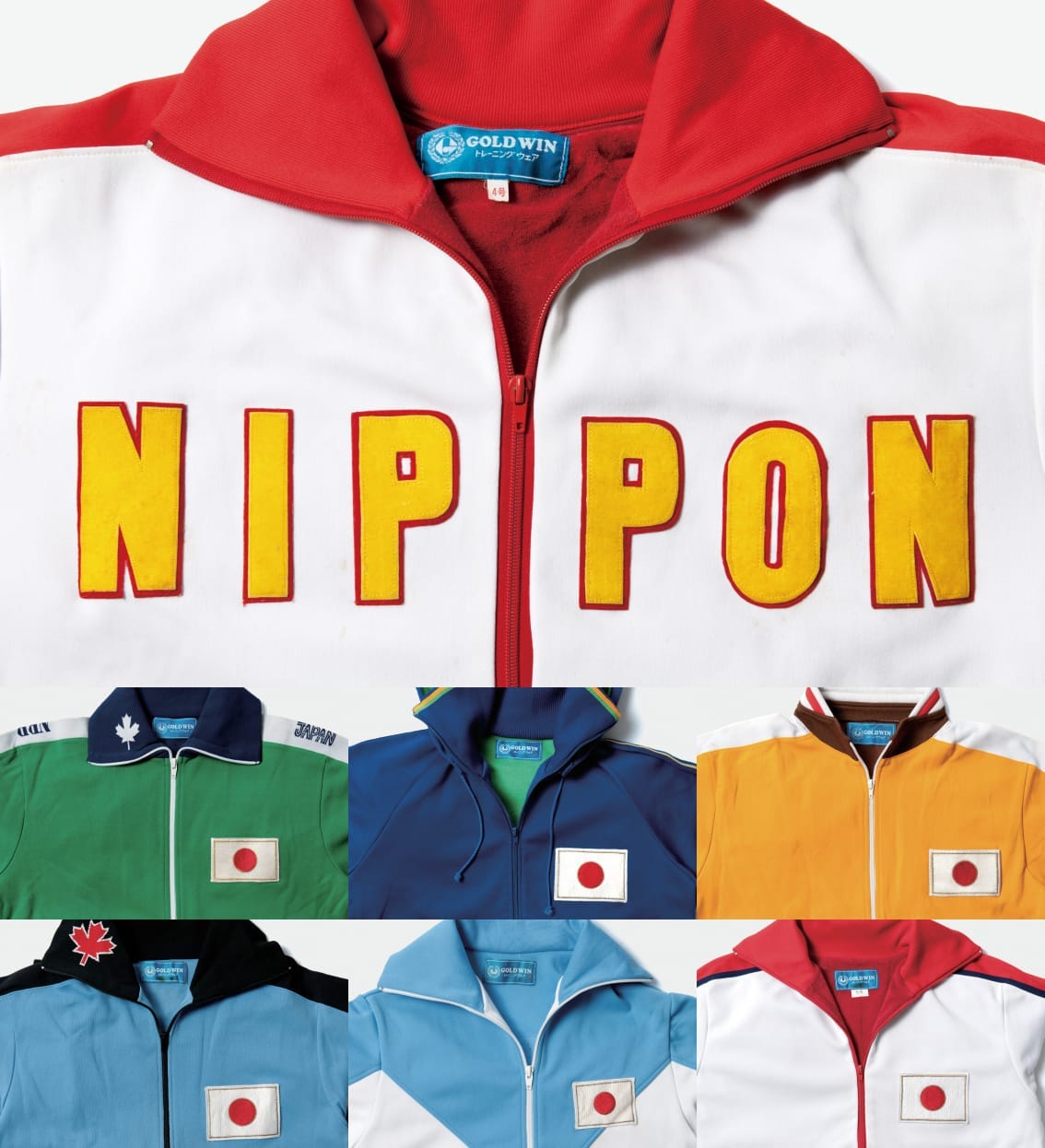
Another important moment came in 1964, when Goldwin outfitted the majority of Japan’s gold medalists at the Tokyo Olympic Games. Kinami says, “Working directly with athletes created a feedback loop between movement, pattern cutting, material development, and manufacturing quality.”
Beyond being one of the world’s leading performance-focused textile companies and one of the most cutting-edge ski brands, Goldwin has also played a significant role in the development of some of Japan’s most influential outdoor brands.
The company holds the licensing or distribution rights for The North Face in Japan, which ultimately led to the creation of The North Face Purple Label, as well as Canterbury, Helly Hansen, Woolrich, Macpac, Sunski, and Speedo. Former Goldwin employee Eiichiro Homma is also the creative director of The North Face Purple Label and the founder of Nanamica.
I recently had a chance to chat with Kinami via email about the new FW26 line, the philosophy behind Goldwin 0, the company’s state-of-the-art tech lab, why its lifestyle division launched only a decade ago, and its new flagship shop in New York.
When developing FW26, were there any archival references, past products, or moments from the brand’s history that informed the collection?
FW26 draws from Goldwin’s decades of experience in developing performance apparel, particularly for skiing and trail running.
Building on that foundation, we approached people’s lifestyles not as something fixed, but as something dynamic, constantly moving between urban environments and nature, indoors and outdoors, and from mild daytime conditions to freezing nights.
The collection explores products that adapt naturally to these changing environments and connect different situations seamlessly.
It is structured around three chapters: Trajectory, Balance, and Embrace. Each chapter focuses on a different functional need: portability for longer journeys, temperature regulation in changing conditions, and insulation that surrounds and protects the body. Together, they reflect the way lifestyles shift along with the season.
One of the stories that best represents this approach is Trajectory. It was developed around the idea of a “Functional Apparel Kit” that allows the wearer to move freely between urban and natural environments while carrying only the essentials.
Lightweight materials, practical storage, and adaptable functions are integrated directly into the garments, redefining clothing not simply as something to wear, but as a system that supports movement.
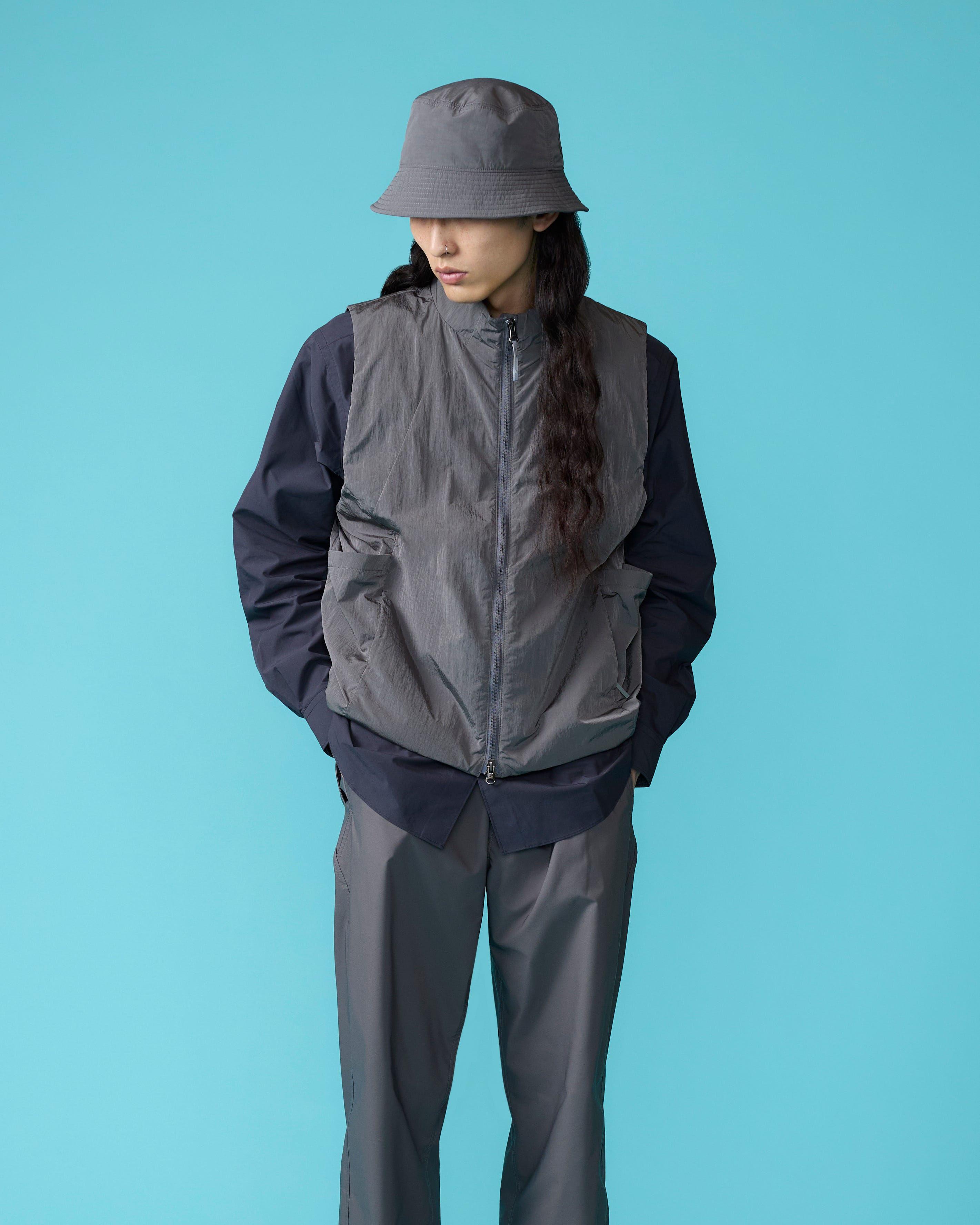
The Backpack Vest is the most iconic expression of this idea. It incorporates a large backpack-style compartment accessible from both sides, an internal shoulder harness that distributes weight, bottle pockets, and mesh ventilation at the back.
These functions are integrated into lightweight, water-repellent nylon in a way that avoids an overly technical or gear-like appearance, resulting in a minimal design that feels natural in everyday life.
The brand is known for pushing fabric innovation while balancing technical performance with everyday wear. What makes the brand's approach to materials so distinctive, and how has that philosophy influenced Goldwin 0?
Goldwin’s material development usually begins with the purpose of the product rather than simply making choices from existing textiles.
We first consider the body, the environment, and the experience the garment needs to provide. From there, we work closely with our textile development partners across spinning, yarn development, weaving, dyeing, finishing, and lamination.
Being based in Toyama also gives us access to a highly specialized textile network in the Hokuriku region, allowing us to become involved much earlier in the development process rather than simply selecting an off-the-shelf material.
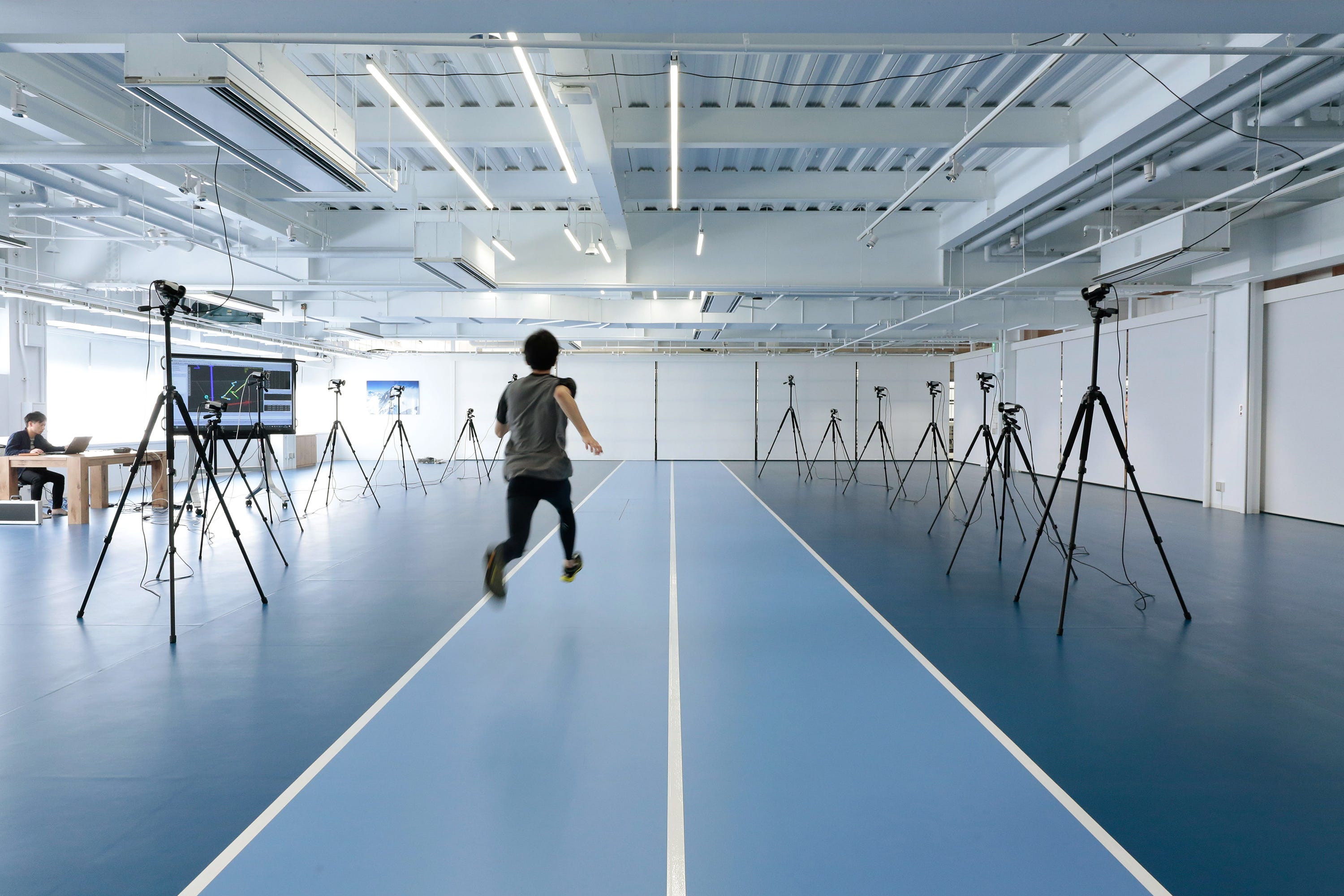
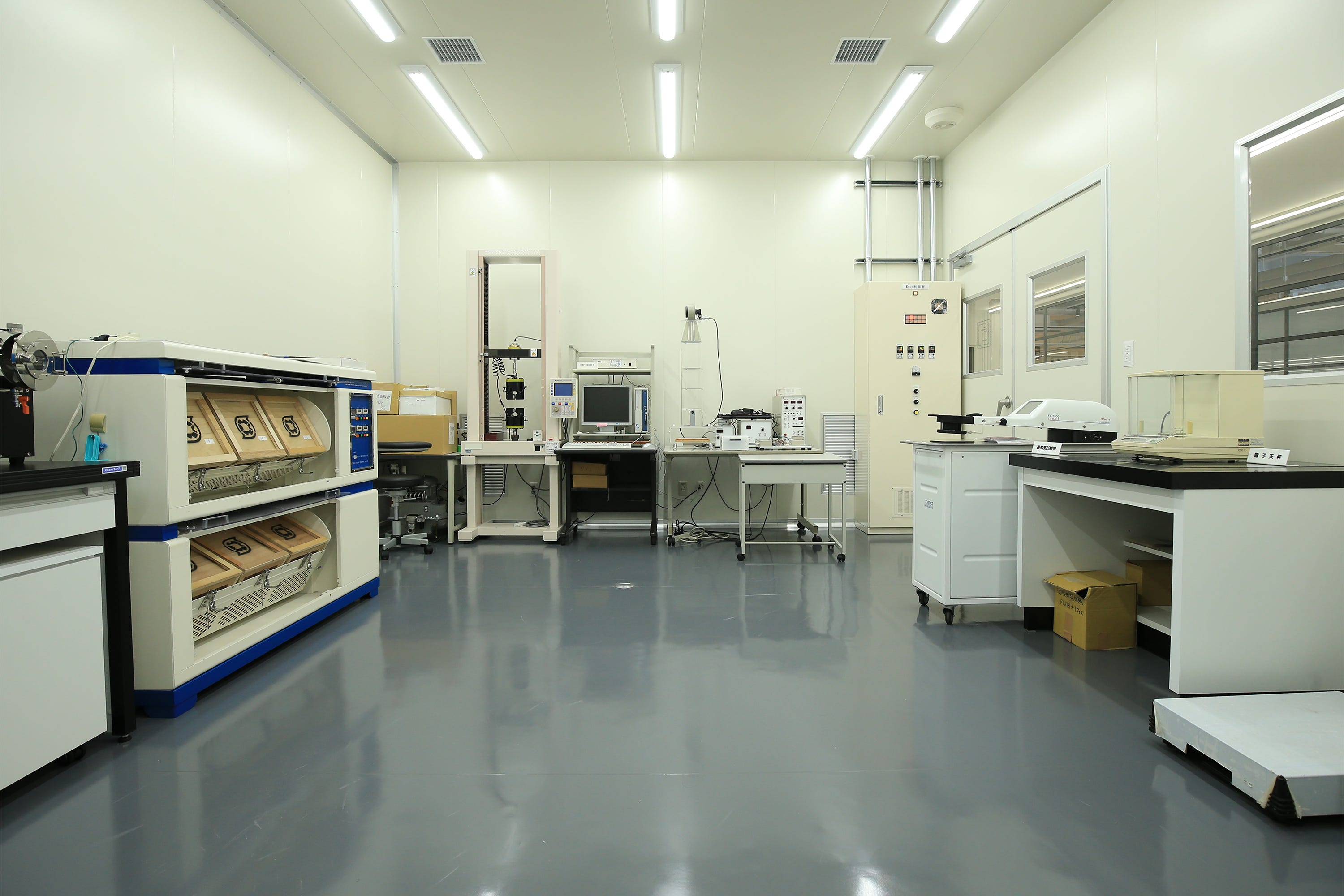
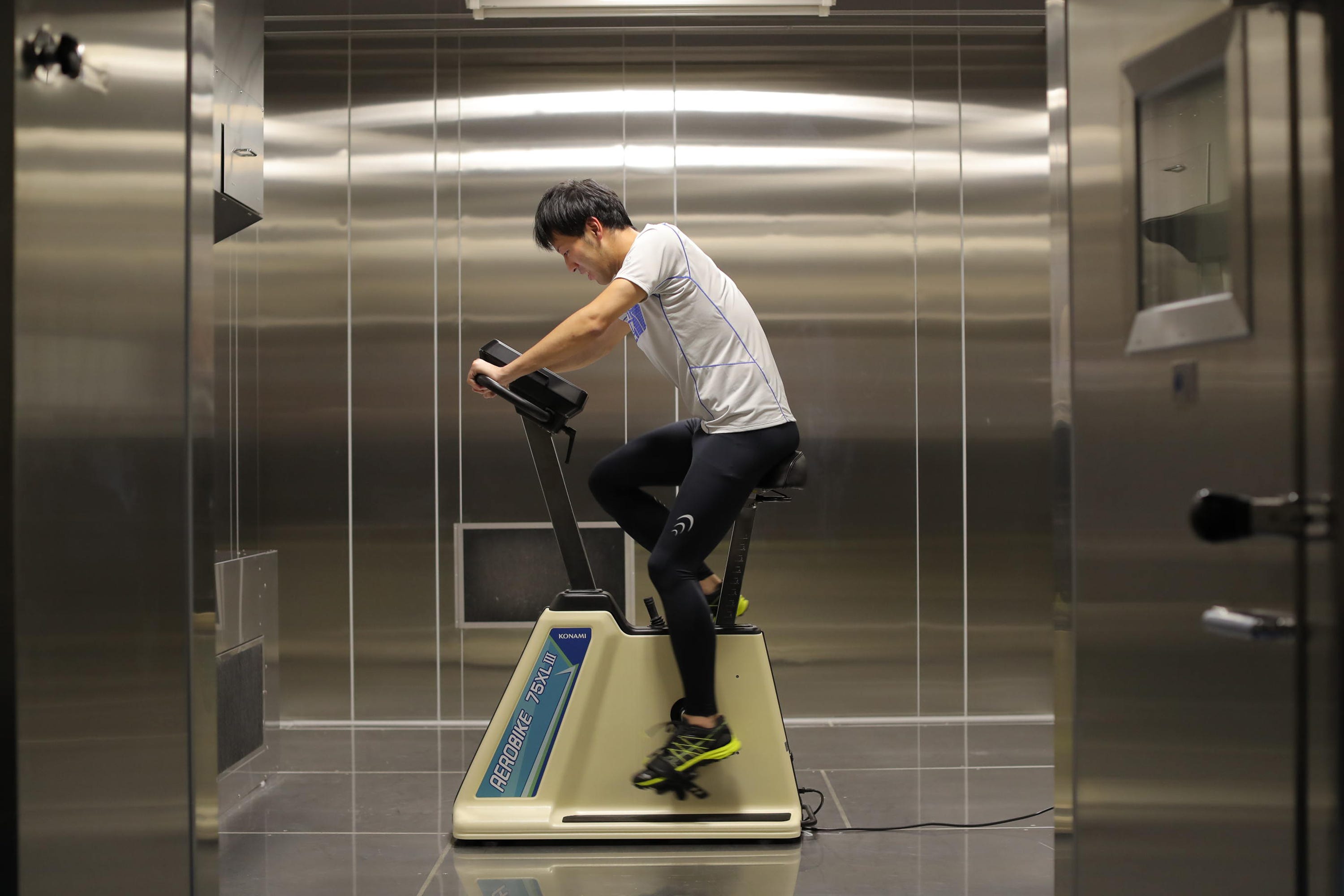
At the Goldwin Tech Lab in Oyabe, this work can be tested through prototyping, motion analysis, environmental testing, and repeated wear evaluation. Material innovation is meaningful to us only when it produces a real improvement in comfort, protection, movement, durability, or the life of the product.
Goldwin 0 is founded on an experimental framework where new ideas are encouraged to be further developed. It was created as a platform for exploring the relationship between nature, science, and technology through circulation, cross-border thinking, and co-creation.
This allows designers, engineers, researchers, and material partners to develop ideas together, including new material systems and body-mapped constructions that might not emerge through a conventional seasonal design process. The objective is not technology for its own sake, but a new form of functional beauty.
Goldwin has built a unique position between performance and lifestyle. How do you continue to evolve the brand while staying ahead in both spaces?
We do not necessarily see performance and lifestyle as two separate spaces.
Performance may be the origin of the brand, providing and leading us with a clear purpose when developing every material, construction, and detail.
Lifestyle design then asks us to edit that knowledge with greater restraint: to make the product versatile, comfortable, and relevant across more situations, without losing its original purpose.
A garment may begin with knowledge developed through skiing, mountaineering, or running, but its value should not be limited to one activity. We want it to work across different environments, generations, and ways of living.
That means keeping the technical standards high while making the appearance quieter, more intuitive, and more universal.
For Goldwin, evolution does not mean adding more visible technology. Often, it means making complex technology feel simpler for the person wearing it.
The company has been producing knitwear at its Oyabe City factory in Toyama Prefecture for more than seven decades. How has production changed over the years, and are there any traditions or processes that have remained constant?
The scale and technology have changed enormously. In the early years, production relied on domestic flat- and circular-knitting machines, a great deal of manual finishing, and constant adjustments by the people operating the equipment.
Machines frequently required repairs, and the team learned through an intense process of trial and error—changing yarns, constructions, and techniques until the required quality was achieved.
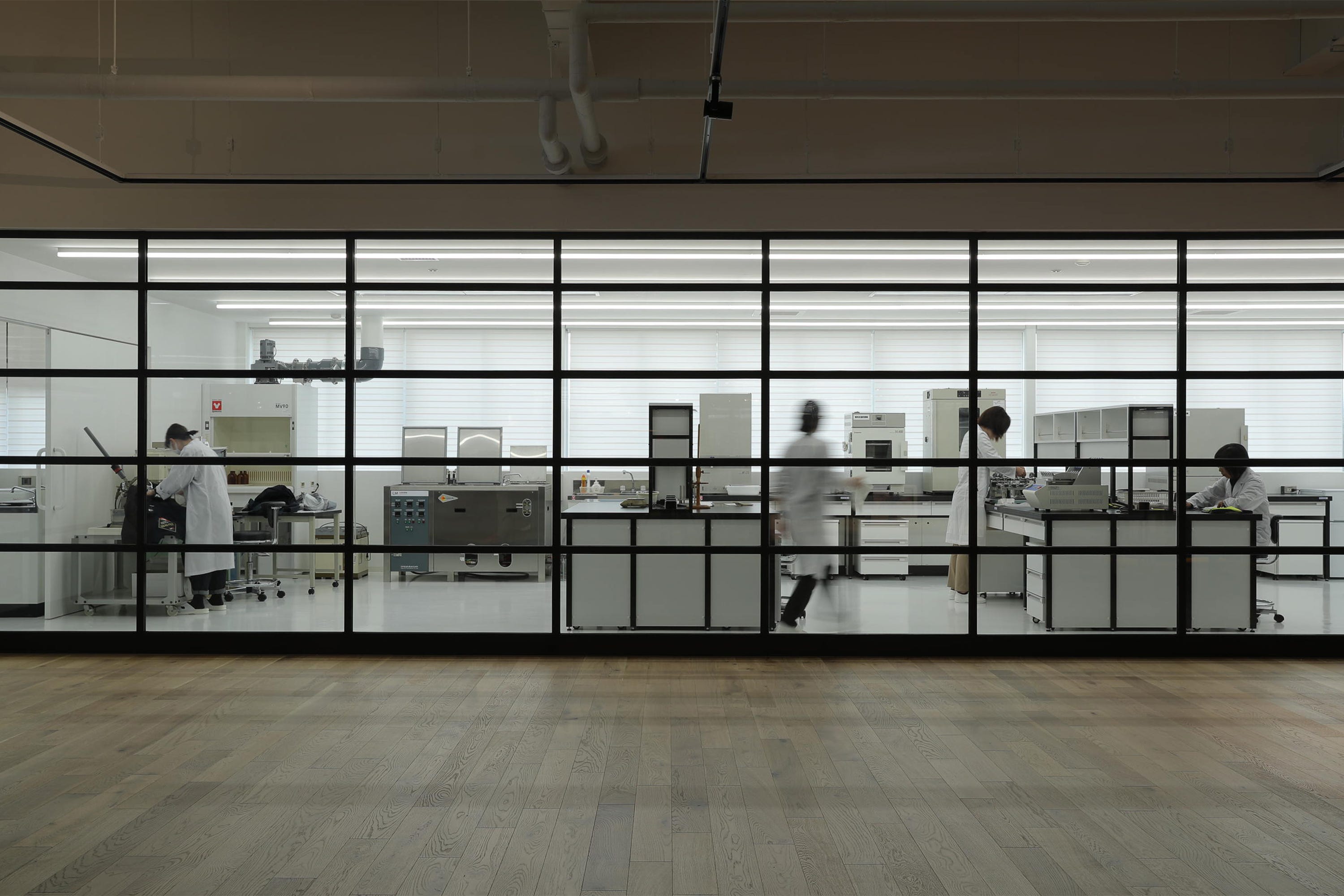
Today, the Oyabe site operates as the Goldwin Tech Lab. Its role is broader than that of a conventional factory: it combines research and development, prototyping, pattern engineering, testing, and manufacturing.
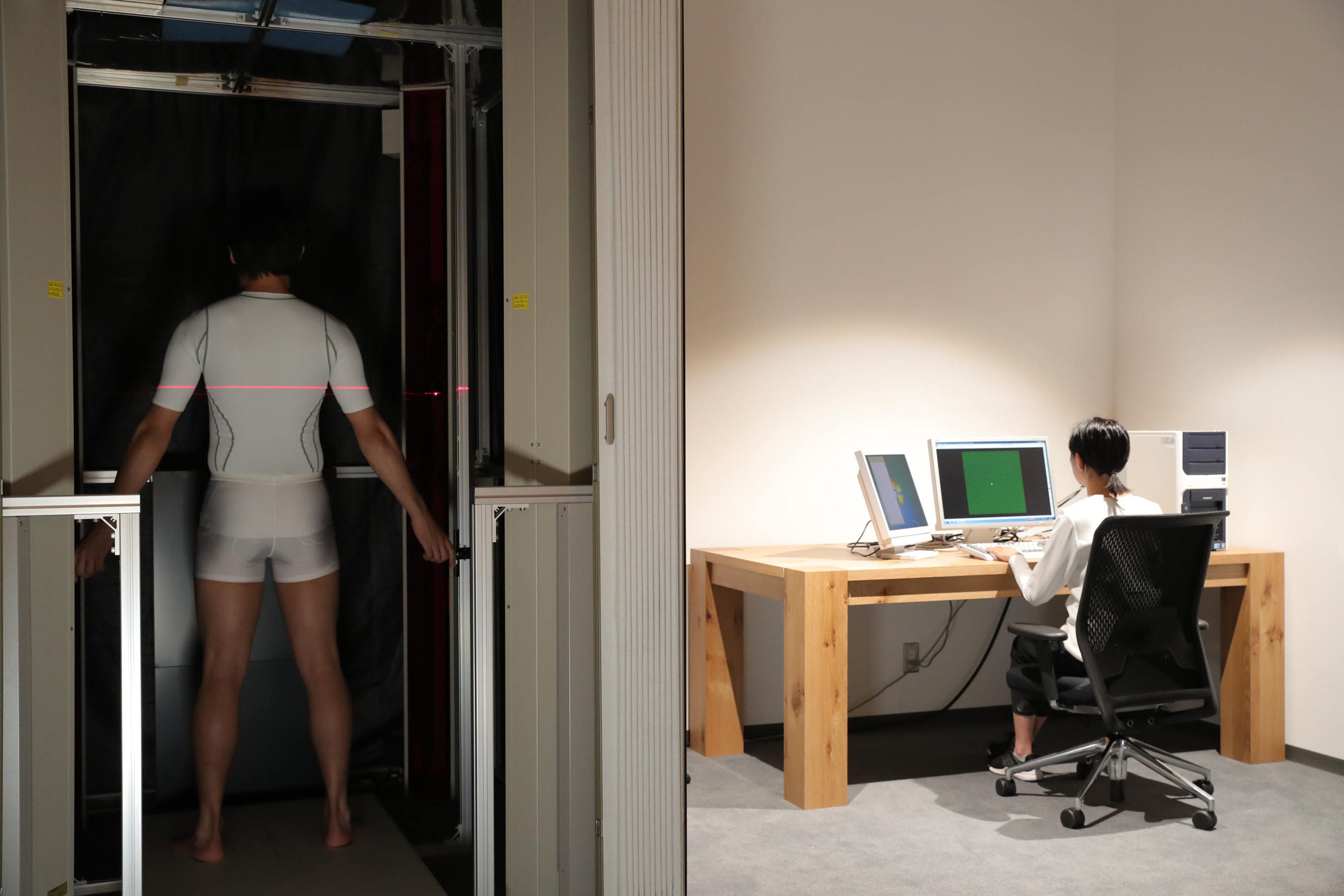
The team now works with tools such as three-dimensional body scanning, digital pattern systems, motion analysis, and artificial weather environments. It also functions as a “mother factory,” developing difficult prototypes and production knowledge that can then be shared with other manufacturing partners.
What has remained constant is the attitude toward making. There is still a strong emphasis on repeated experimentation, close attention to details that may not be visible from the outside, and the transfer of skills between generations.
The tools have evolved, but the belief that quality is created through persistence and careful observation has not changed.
Looking back to the company's beginnings, what inspired founder Tosaku Nishida to evolve from producing climbing socks into launching the Goldwin label?
There were several forces behind that evolution. Tosaku Nishida founded the business in postwar Toyama in 1950, initially drawing on his experience in the textile industry and his family’s knowledge of knitwear production.
One important moment came when Japanese Olympic swimmer Hironoshin Furuhashi set world records after the war. For Nishida, this represented a sense of possibility and convinced him that sports could play an increasingly important role in Japan’s future.
The company began producing climbing socks in 1952. That product was important because it established a method that would continue throughout Goldwin’s history: beginning with the specific needs of the user, choosing the appropriate raw materials, and improving every detail, including those that were not immediately visible.
As the business expanded from socks into sweaters and sports apparel, the Goldwin brand was introduced in 1958. The company later adopted the Goldwin name in 1963.
It was not simply a decision to create a new label; it was the result of a growing conviction that Japanese sportswear could combine technical quality, thoughtful design, and an international ambition.
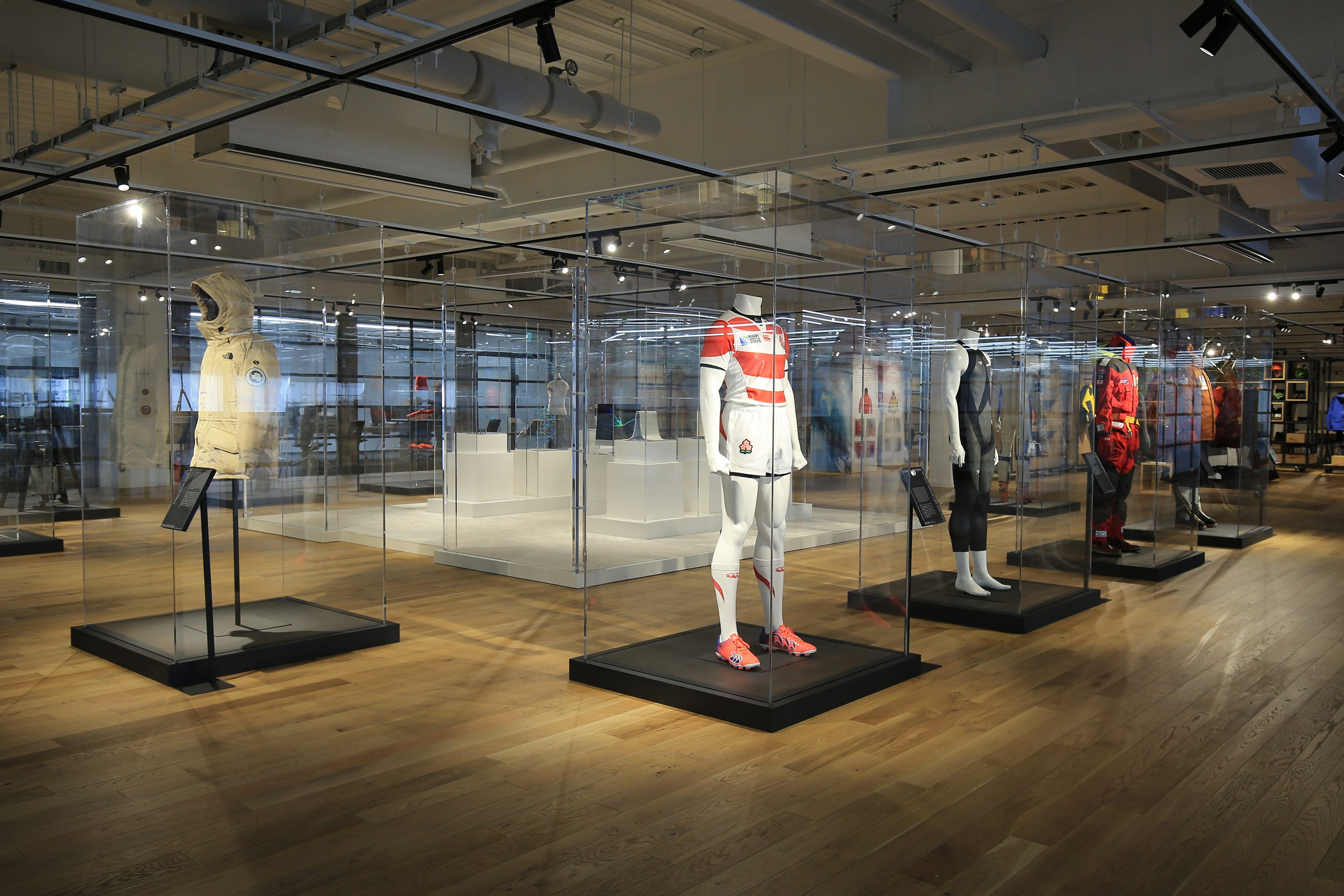
Goldwin quickly became known for innovative ski apparel, eventually outfitting Japan's Olympic athletes. How pivotal was that period in establishing Goldwin as a leader in technical performance?
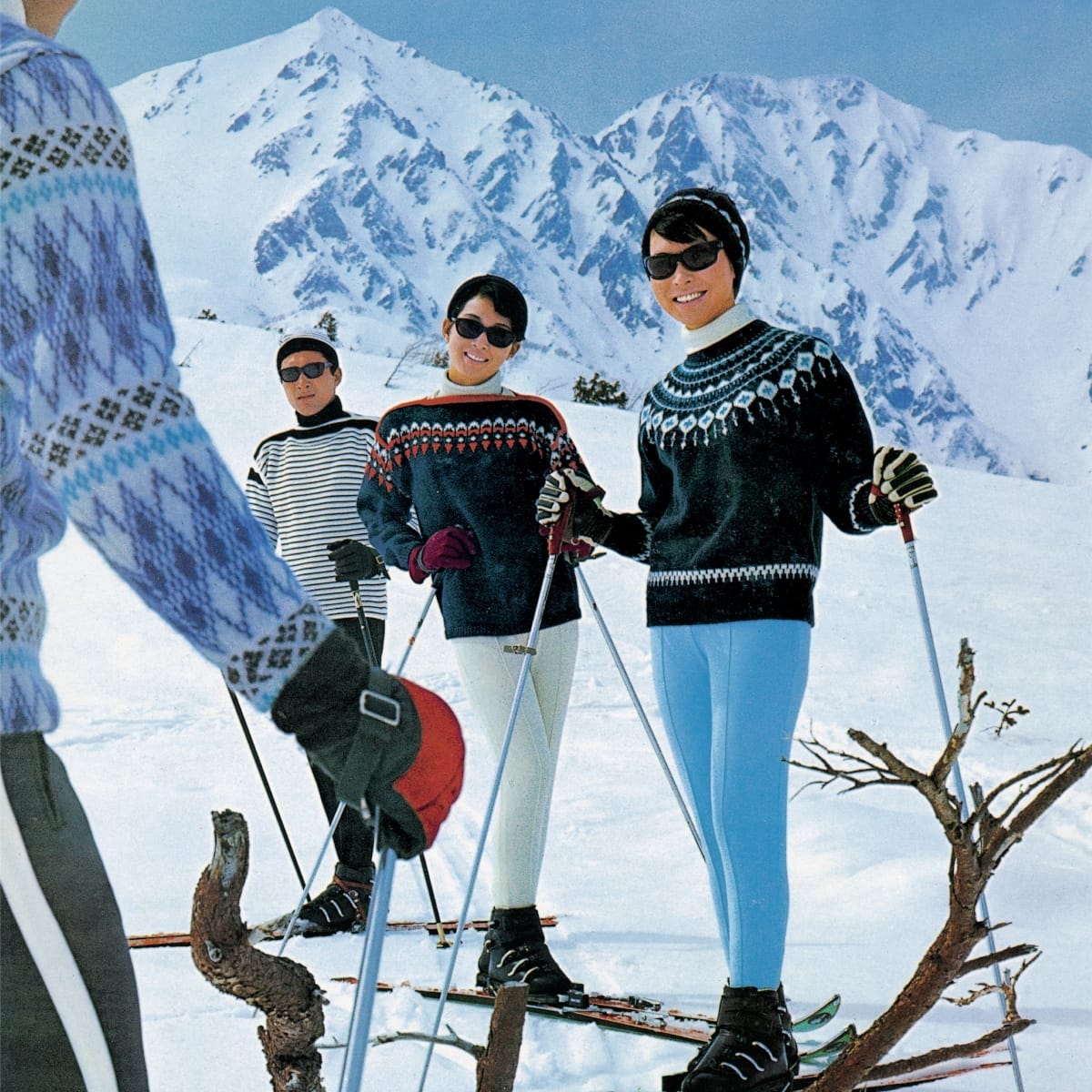
Goldwin’s early ski sweaters required the company to think carefully about yarn, insulation, movement, and fit.
Skiing made it clear that performance and appearance could not be separated: a garment needed to protect the athlete and move with the body, but it also needed to have a clean and purposeful form.
The 1964 Tokyo Olympic Games then provided an opportunity to apply that thinking on a much larger stage.
Goldwin supplied uniforms for Japanese national teams across several sports, and approximately 80 percent of Japan’s gold-medal-winning athletes wore Goldwin uniforms. Working directly with athletes created a feedback loop between movement, pattern cutting, material development, and manufacturing quality.
The company continued to supply apparel for international competitions, including the 1968 Grenoble Winter Games and the 1972 Sapporo Winter Games. Encounters with advanced European ski design, including three-dimensional pattern cutting, also encouraged Goldwin to raise its own technical standards.
This period established a principle that remains central today: the best performance products are developed through close observation of the body, direct dialogue with athletes, and a constant search for functional beauty.
The lifestyle line was introduced in 2016. Why did that feel like the right moment for the brand to expand beyond pure performance?
By 2016, the distinction between life in the city and time spent outdoors had become increasingly fluid. People were no longer necessarily buying technical clothing for one highly specific activity. The same person might commute through the city during the week, travel frequently, and spend weekends in nature.
Goldwin had already accumulated decades of knowledge through skiing and outdoor performance, and the lifestyle collection was a way of translating that knowledge into products designed for this broader rhythm of life.
The original concept was based on “city life with a weekend getaway into nature.” Rather than moving away from performance, the collection distilled it. The forms became simpler, and the functionality became quieter, but the attention to materials, comfort, protection, and movement remained.
It felt like the right moment because the way people lived had caught up with an idea that was already inherent in Goldwin: a well-designed technical product should be useful beyond the environment for which it was originally created.
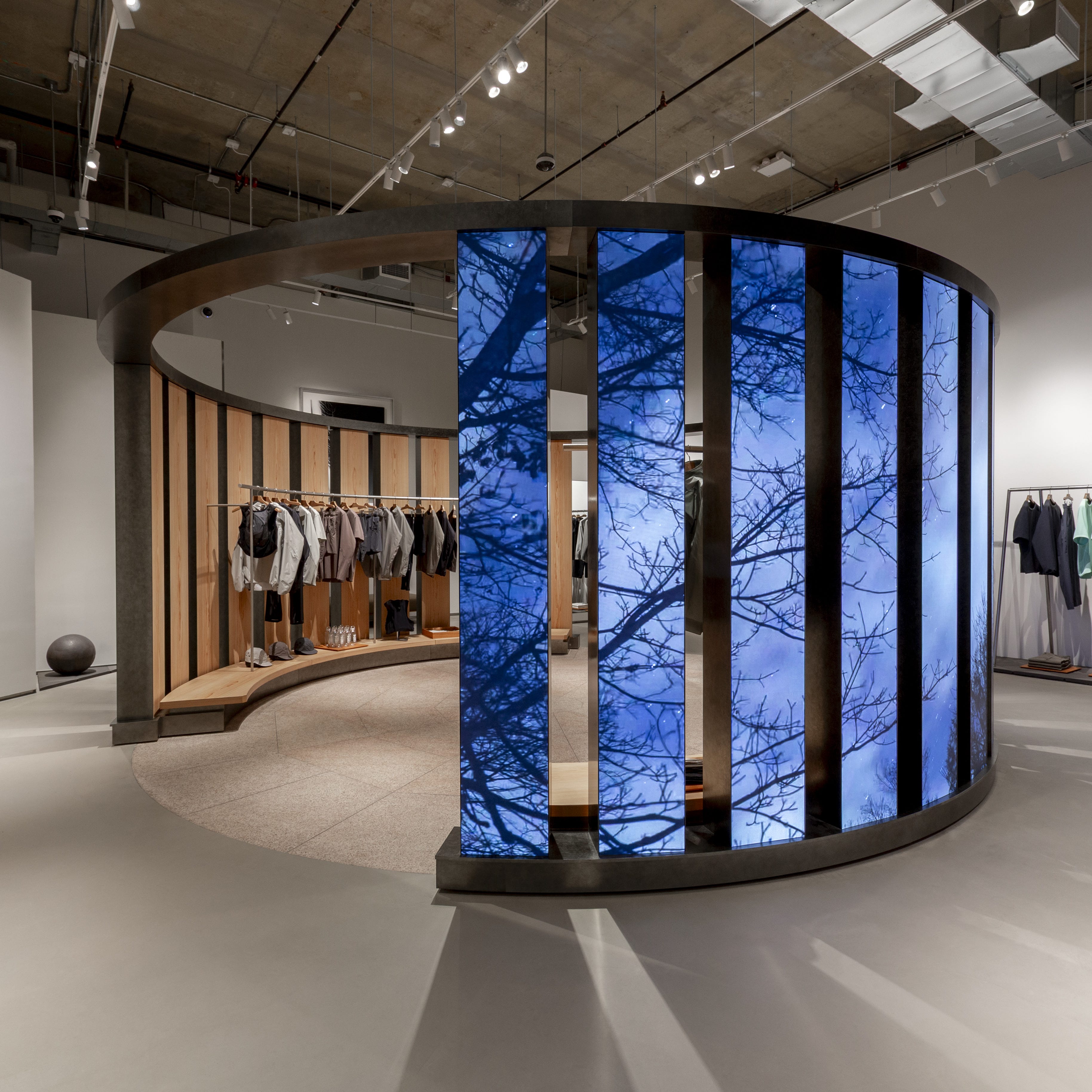
With the recent opening of the New York flagship, what have you learned about the American customer, and how do they differ from your long-established audience in Japan?
Through our visits to New York before and after the store opening, as well as through the reception and our interactions with customers, we learned that American consumers look beyond the product itself.
They pay close attention to what a brand stands for, the kind of influence it has, and what it is trying to communicate to the market and to society.
In the US, where the market moves quickly and consumers are constantly exposed to a wide range of brands, visibility, awareness, and a strong digital presence are important factors in how a brand’s value is perceived.
Customers tend to evaluate the brand as a whole, considering not only the in-store experience but also its digital communication and relationship with its community.
Great overview !
So good. The climbing socks being the pivotal product that set the craftsmanship method is a great detail: starting from the user's specific need is exactly why the slopes-to-streets move feels earned.