

I see a lot out here… the good, the bad, and, unfortunately, the overwhelmingly bad.
This goes for most categories: movies, restaurants, coffee, and design. Sneakers, however, deserve a special mention, since they’ve been particularly rough for the last 5-10 five years.
Between athletic brands collaborating themselves into creative exhaustion, big names dragging silhouettes out of the archives because the idea tank is bone-dry, and classic models getting unhinged Pantone makeovers that make sense to absolutely no one, sneakers have been, well, a lot.
And not in a good way.
But I think we’re in a moment of palate cleansing with our stylistic taste buds. Thin-soled sneakers have crept back in, general releases have been (dare I say) decent, and even hiking brands are doubling down with more Vibram everything.
Now it’s 2026, and I’m ready to wear sneakers again. So what should I do?
I can’t tell you what you should do, but I know what I’m doing: listening to my five-year-old self. Sometimes you have to pull inspiration straight from the source (yourself!).
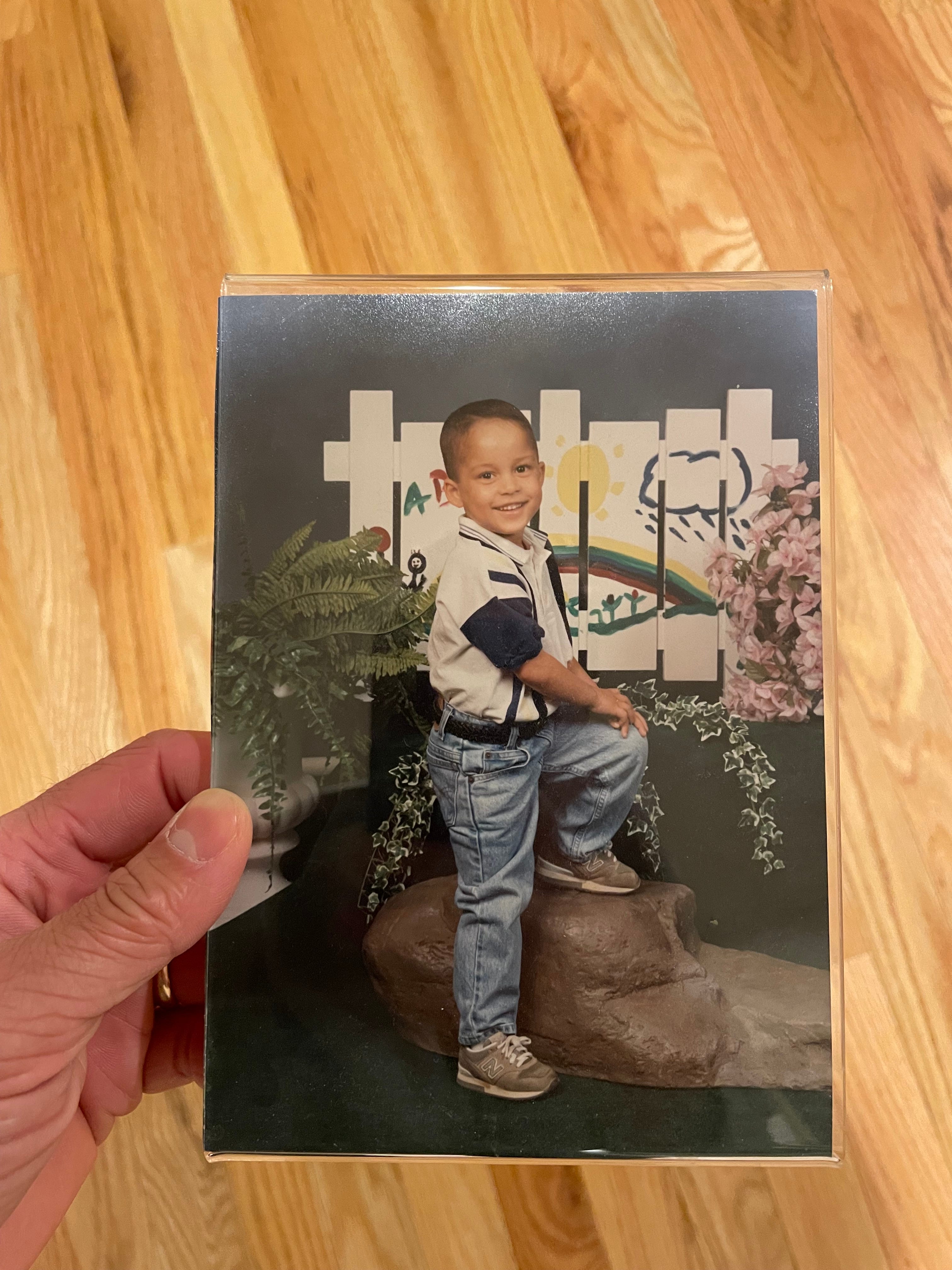
Here’s an image of me wearing Levi’s 501s and a pair of New Balance 574s. Not just any 574s, either. They have to be all grey.
When I saw the photo again, a light went off. I thought, This is the shoe that cuts through all the fashion noise.
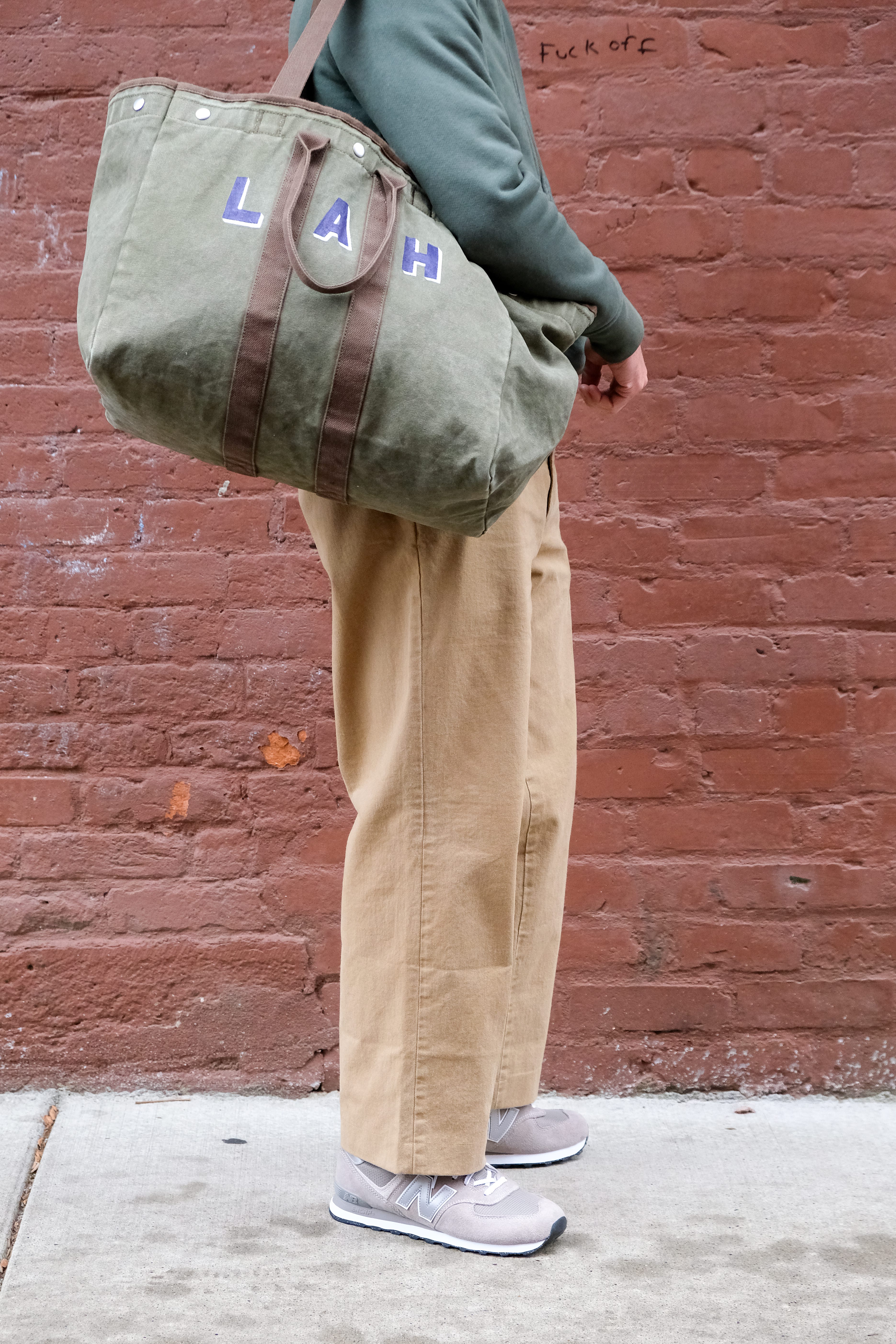
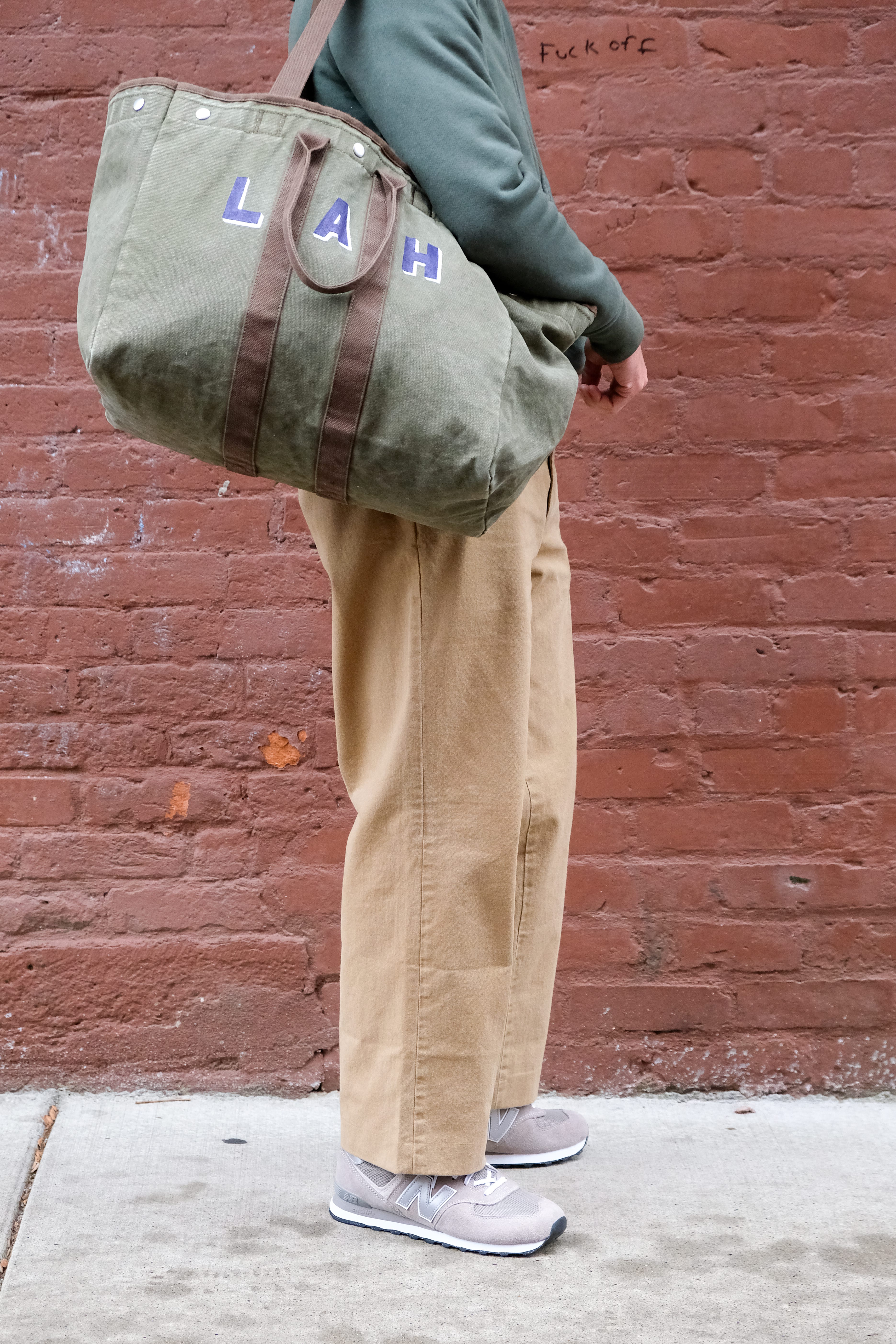
These were my first-ever sneakers. My parents bought them for me before preschool. Decades later, I bought my son a pair to continue the tradition—proof that good taste is hereditary, or at least highly encouraged.
“It’s honest footwear,” says Paul Kaseumsouk, General Manager, Lifestyle Inline and Speed at New Balance. And he’s not wrong.
The stripped-down sneaker adapts to the wearer, whether that’s a tech billionaire, someone slinging single-origin coffee, or a person who wants a reliable pair of sneakers without lighting their wallet on fire.
“It doesn’t pretend to be what it’s not: it’s not a status symbol, it’s not overly trendy, and it’s not designed for a single moment. That honesty is timeless,” Kaseumsouk adds.
To commemorate the sneaker that laid the groundwork for my appreciation of fashion in the first place,
I’ll be taking a deep dive into the 574’s history and evolution, what makes the shape so instantly recognizable, why they remain approachable (and affordable), and a bit of commentary from a few guys on why they’re still relevant today.

More than a running shoe
“The 574 hit retail in 1988 and was an instant success,” says Kaseumsouk. “Coming out of the 1970s, there was a major running wave (similar to today) and by the 1980s, customer demand had grown. Sneakers needed to adapt to any terrain.”
In response, New Balance created its 500 series.
“We developed the 574 as a hybrid, combining the best features of both the 575 and 576,” Kaseumsouk tells me.
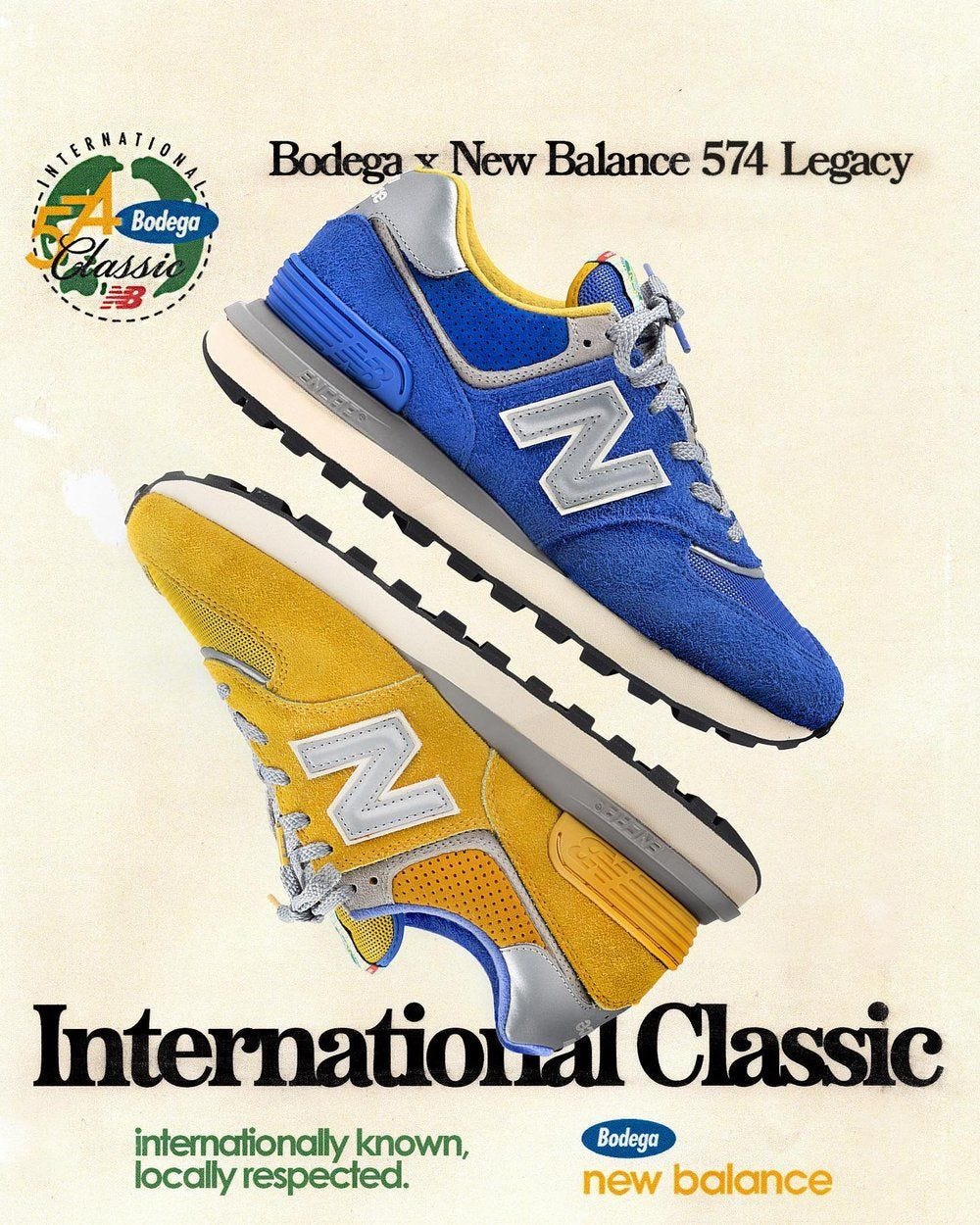
According to him, the real breakthrough came with the brand’s proprietary ENCAP midsole technology, an encapsulated soft EVA core surrounded by a hard plastic rim for added stability.
“This wasn’t just a running shoe; it was engineered for all types of terrain and all types of people,” he says.
By the mid-1990s, the 574 evolved. This is what Kaseumsouk describes as the moment when “lifestyle took over.” From the running world to the rap world, everyone was wearing the New Balance 574. “That’s when we unleashed the colorway revolution,” he says.
By the mid-2000s (“maybe like ’04, ’05, ’06”) the brand began issuing the model in new colors and iterations, says Josh Peskowitz, creative director and brand development consultant.
“They weren’t collaborations; they were general releases. But they started putting a little mustard on it,” he adds.
Today, New Balance continues to push boundaries with updated midsoles, skate-forward influences, and modern tooling, while also elevating the silhouette through high-profile collaborations.
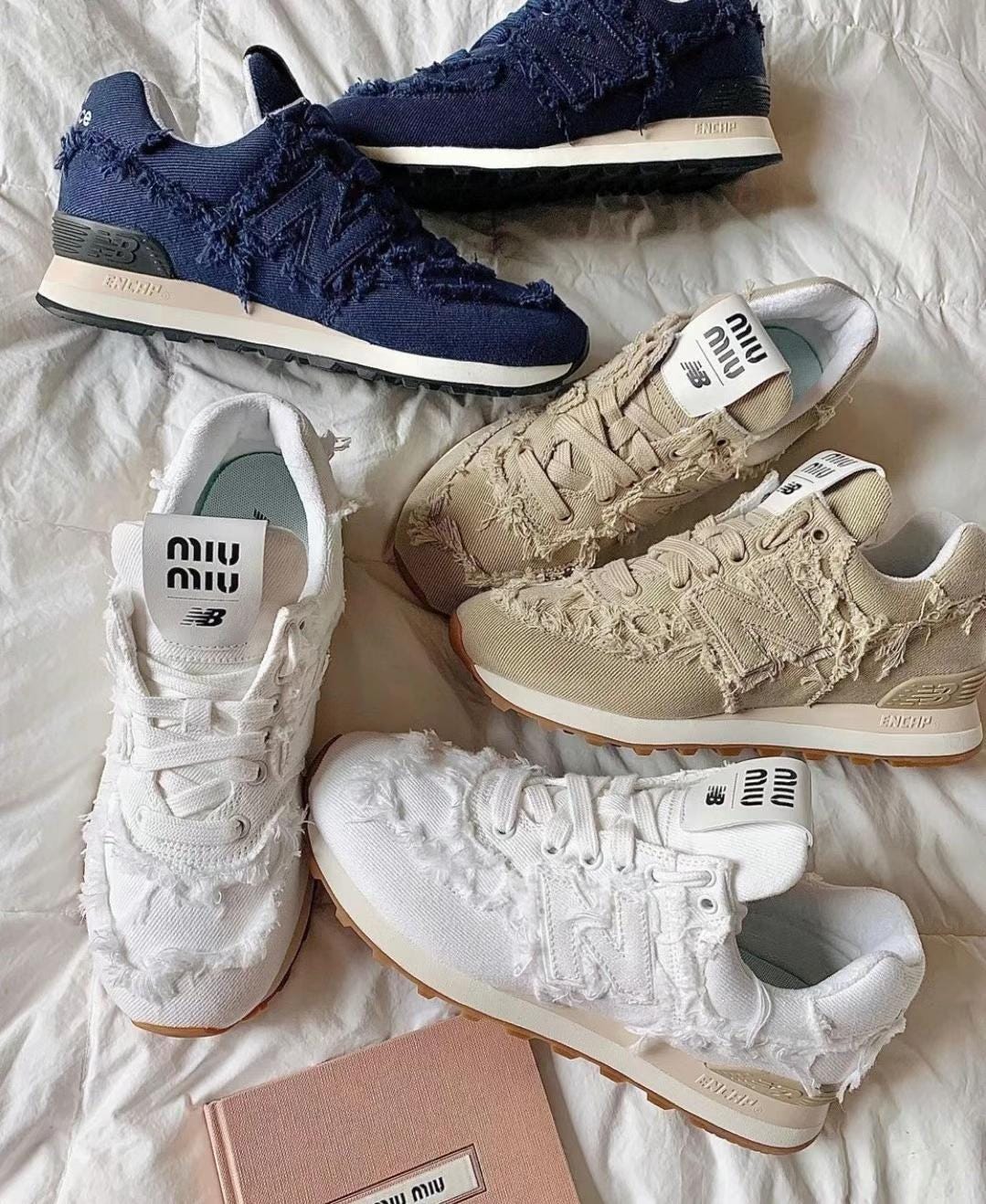
A standout example came in 2022 with Miu Miu, which reimagined the iconic 574 through its distinct design language—exploring new materials, deconstructed aesthetics, and fresh colorways.
The indefensibility of the 574
Just like when you spot an abandoned Pizza Hut building but instantly know what once occupied the space, the same idea applies to the 574.
Even if the “N” logo weren’t visible, you’d still recognize the unmistakable silhouette of the 574.
Kaseumsouk shared with me, “Culture and fashion leaders helped authenticate it in ways we couldn’t have manufactured. That grassroots adoption is invaluable.” When a shoe like the 574 becomes a perennial thanks to its versatility, you don’t abandon it. “We’ve celebrated it, collaborated around it, and reimagined it—while always returning to its essence,” Kaseumsouk adds.
Author W. David Marx tells me, “Volkswagen used to have ads in the 1960s where they bragged about the Beetle’s style never changing, and I think that’s what I like about New Balance as well.” He further emphasizes, “It’s an iconic staple that looks great and can be worn by everyone—without ever getting in the way of you wearing it.”

Where Design Meets Accessibility
One of the most mind-blowing things about the New Balance 574 is that, even with inflation at an all-time high, it has managed to stay under $100 (taxes are a mutha, I know!).
“They were affordable—especially for a kid in college with little to no disposable income,” says Uniform Journal founder Roderick Hunt.
For Peskowitz, he always counted on these staples:
“You could always get a pair of Wallabees. You could always get a pair of 574s. You could always get a pair of construction Timbs. Those were just some of the staple shoes that people my age, from my generation, wore.”
The price speaks to the company’s design philosophy, according to Kaseumsouk. “The stripped-down, straightforward construction means less waste, less complexity, and lower manufacturing overhead compared to shoes with intricate designs. Our Encap midsole technology is elegant and cost-effective; it’s been proven over 30+ years, so our processes are optimized.”
He adds, “The standard 574 remains attainable; that’s non-negotiable.”
How a classic stands the test of time
While the 40th anniversary of the shoe isn’t until two years from now, it’s safe to say it’s not going anywhere in the meantime. In a world full of tireless trend cycles, “It’s nice to be able to open the closet door and pull out something that’s trusted and continues to stand the test of time,” Hunt says.
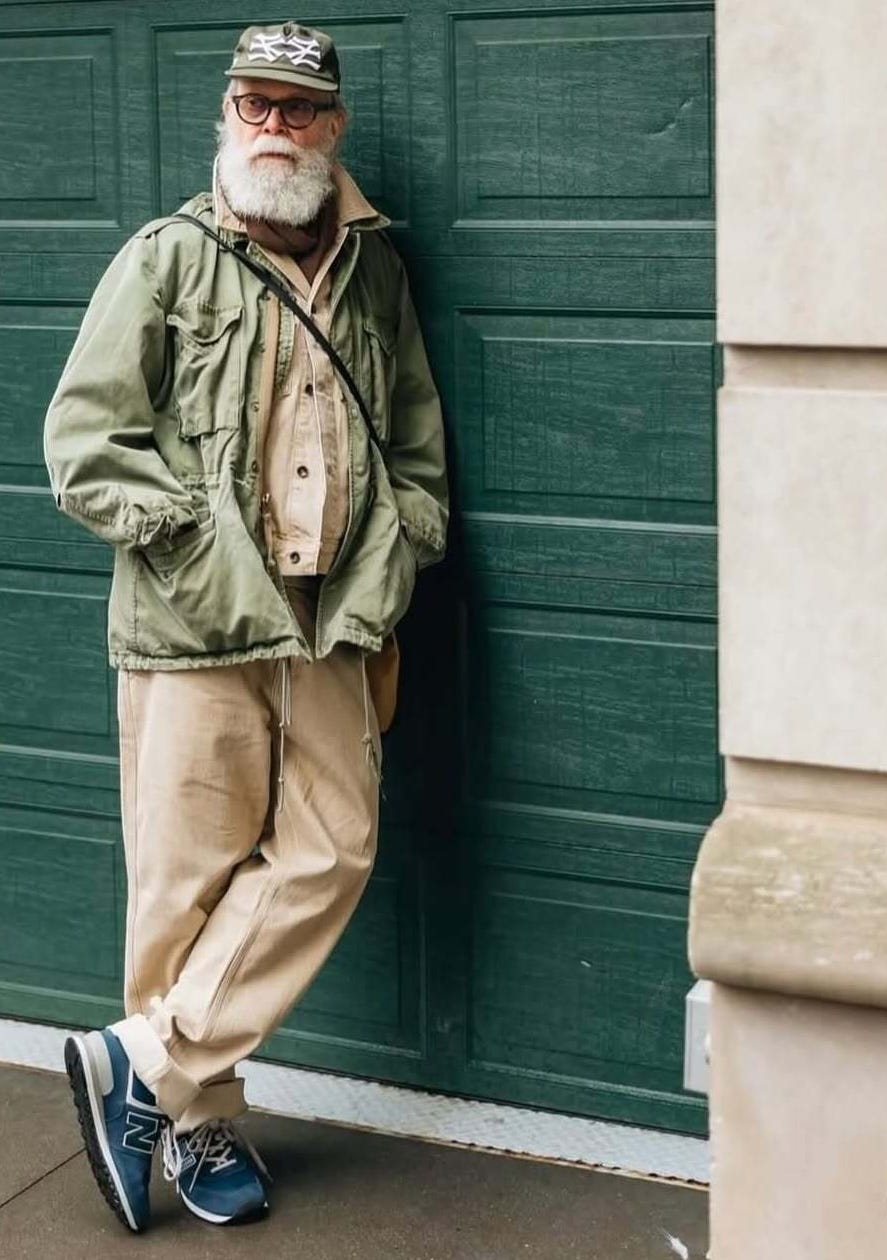
Someone who knows the shoe’s relevance firsthand is artist and illustrator Richard Haines, who has been wearing it exclusively for 15 years.

“I love that it’s super identifiable, very old school. I’m not a sneakerhead,” he says. Over time, the shoes have become something you’ll always associate with the artist.
No matter the collaborations or categories they’ve expanded into, “It’s always been about running,” Peskowitz says.
He further highlights its versatility: “You’ll see the most outlaw dude on the corner wearing 574s. You’ll see a computer science professor wearing 574s. You’ll see a guy working the loading dock wearing 574s.”
Kaseumsouk told me, “Relevance comes from respect.” I can’t think of a better quote to define such an iconic label—and this specific shoe.
Recently found the blue bodega 574 at a Salvation Army for 10 bucks. Truly amazing shoe
Originally designed as trail runners, no?
Nice to see the 574 get some well-deserved love. My toddler son is on this second pair already.