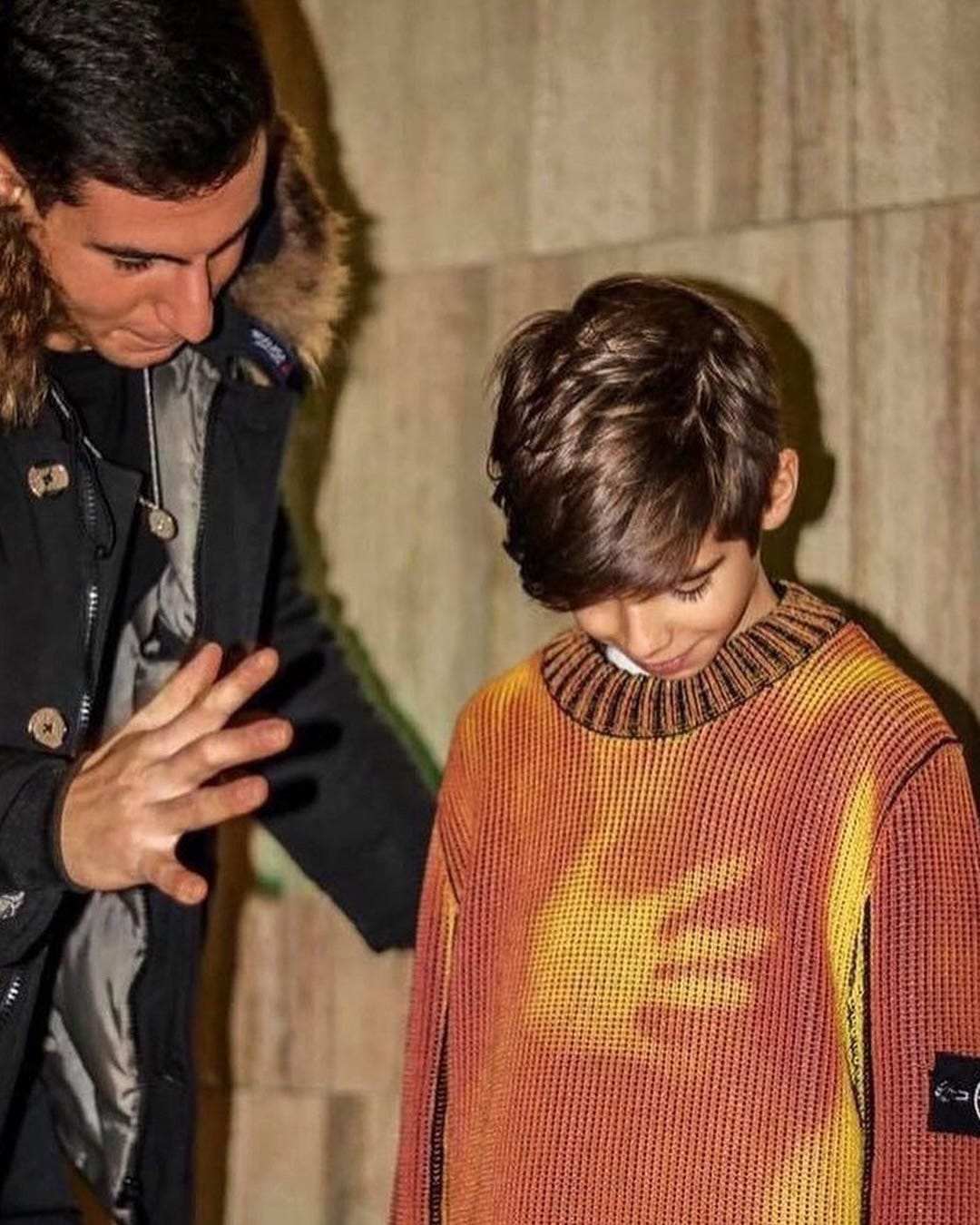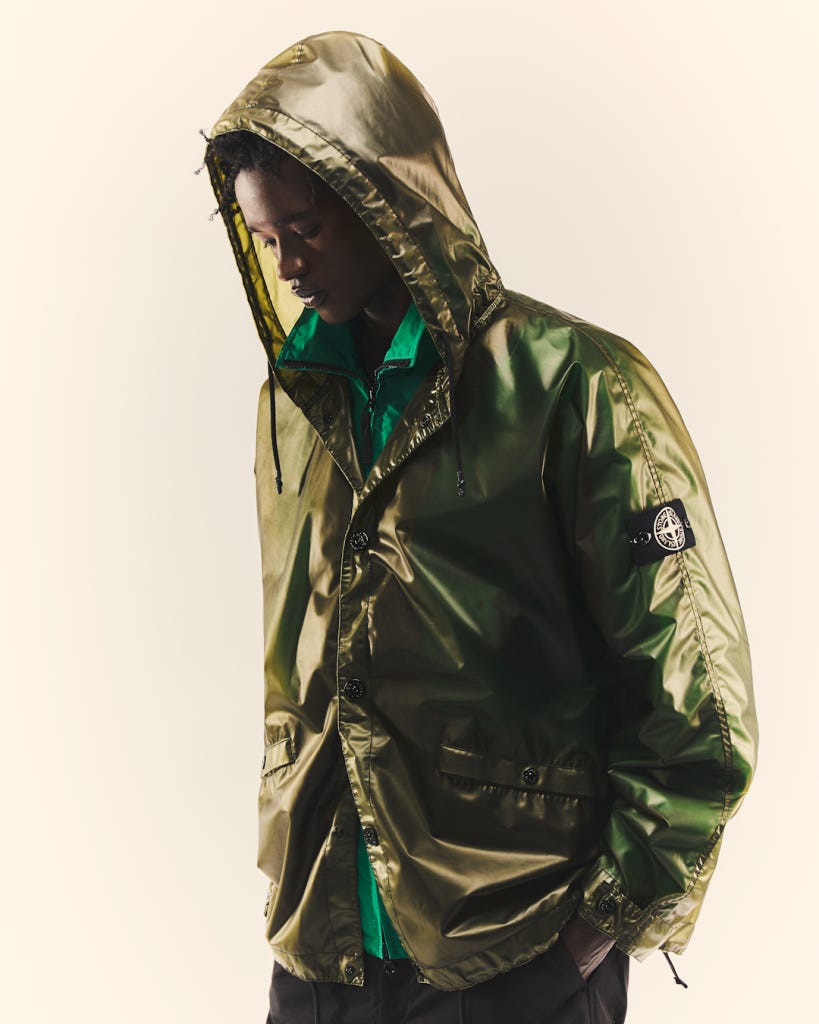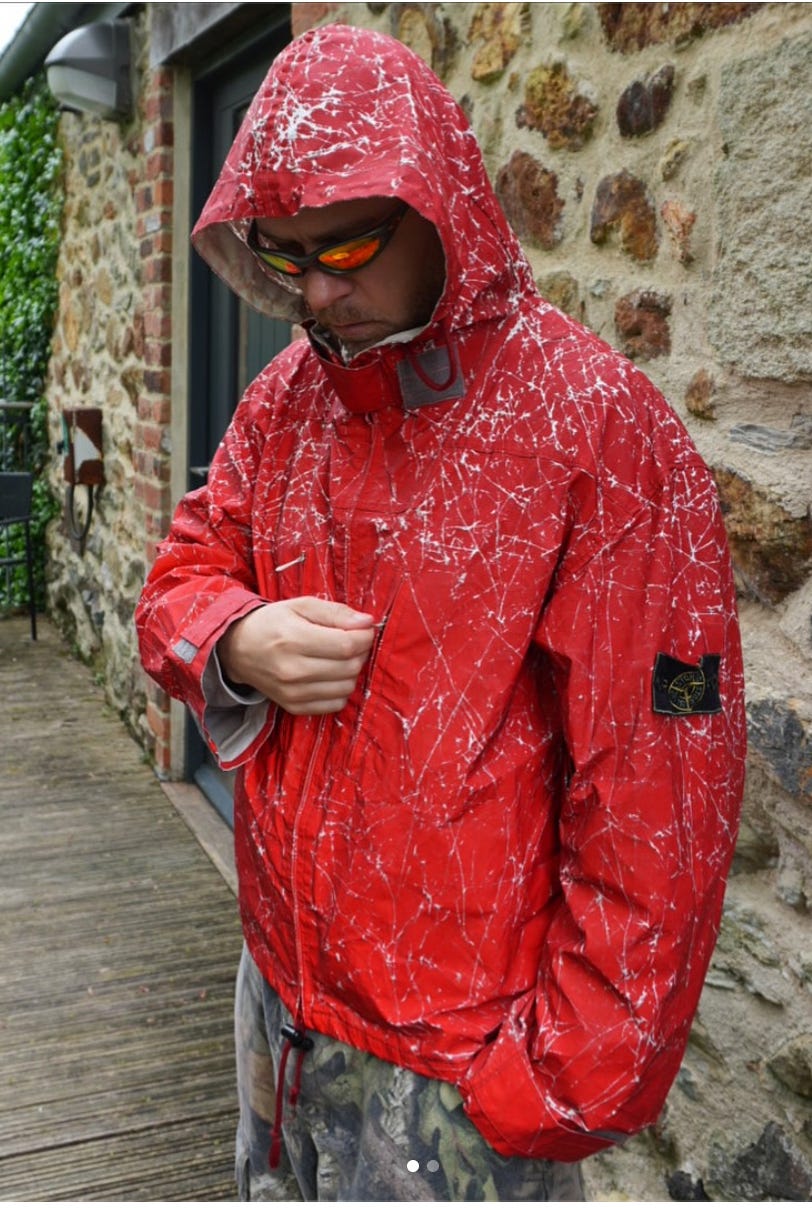
Earlier this year, we wrote about Stone Island and why it sits differently in our heads than most brands calling themselves “luxury” right now.
And I will defend that take, because a brand like Stone has something nearly all brands lack: an obsession with the process.
When you look at the clothing industry broadly, almost everyone operates the same way. A new drop every few weeks, campaigns that rip from another brand or creative, and collections that optimize for sHaReHoLdEr VaLuE.
We’ve seen this bleed into the luxury sector, and when it does, brands start cutting corners on product quality, research & development, and process.
… So much so that we’ve forgotten what true luxury feels like, from how it looks to the way it feels.
When we hear the word “luxury,” we often think of the word “craftsmanship” or “handmade,” both of which have a seat at the table. Another angle on what makes a product feel luxurious is experimentation.
And we don’t talk enough about that.
What happens when you know a fabric or material so well that you can predict how it will evolve before you ever cut into it?
Stone Island has built an entire company around that type of experimentation, and their NO SEASONS collection, which they just revived, is perhaps the clearest example I’ve seen.
WTF IS NO SEASONS?
NO SEASONS was a creative project Massimo Osti (the founder) started in 1989 to test how different fabrics and materials react when you manipulate them, mixing dyes at high temperatures and using different washes.
The intention was to build products that could transcend seasonality and trends, and the latest NO SEASONS campaign maintains that approach.
They just released a hooded jacket that comes in six of Stone Island’s signature materials:
Crinkle Reps
Nylon Prismatico
Tela Resinata
Raso Gommato
Panno
DAVID-TC
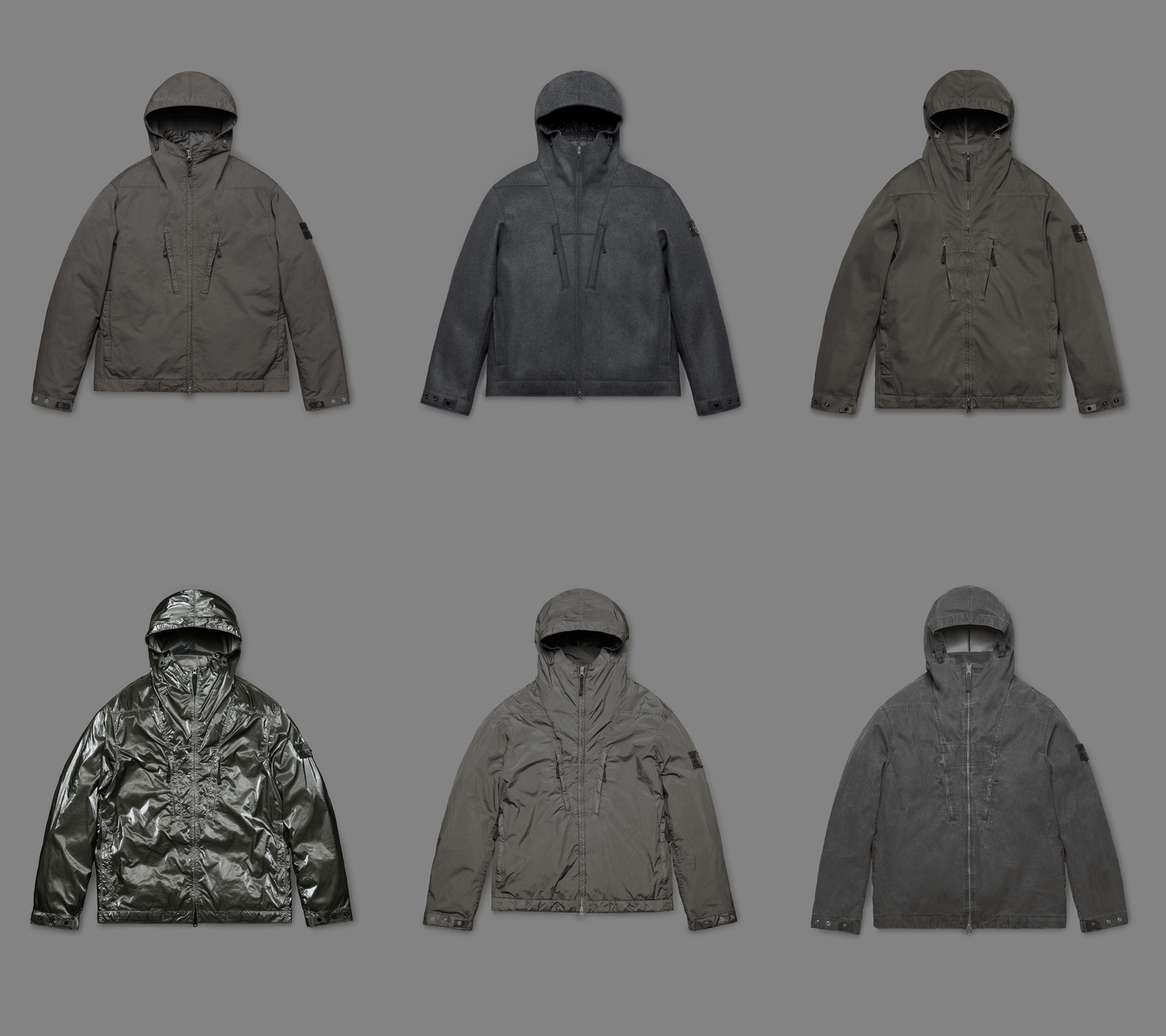
What I love about this project is that Stoney describes it as a continuation of ongoing research.
Which checks out to me, because it feels like a controlled experiment. The piece (the shape) stays fixed while the fabric varies, so any difference you notice between the six jackets comes from the materials.
A bit on the DAVID-TC
Stone sent me the DAVID-TC jacket to test for myself.
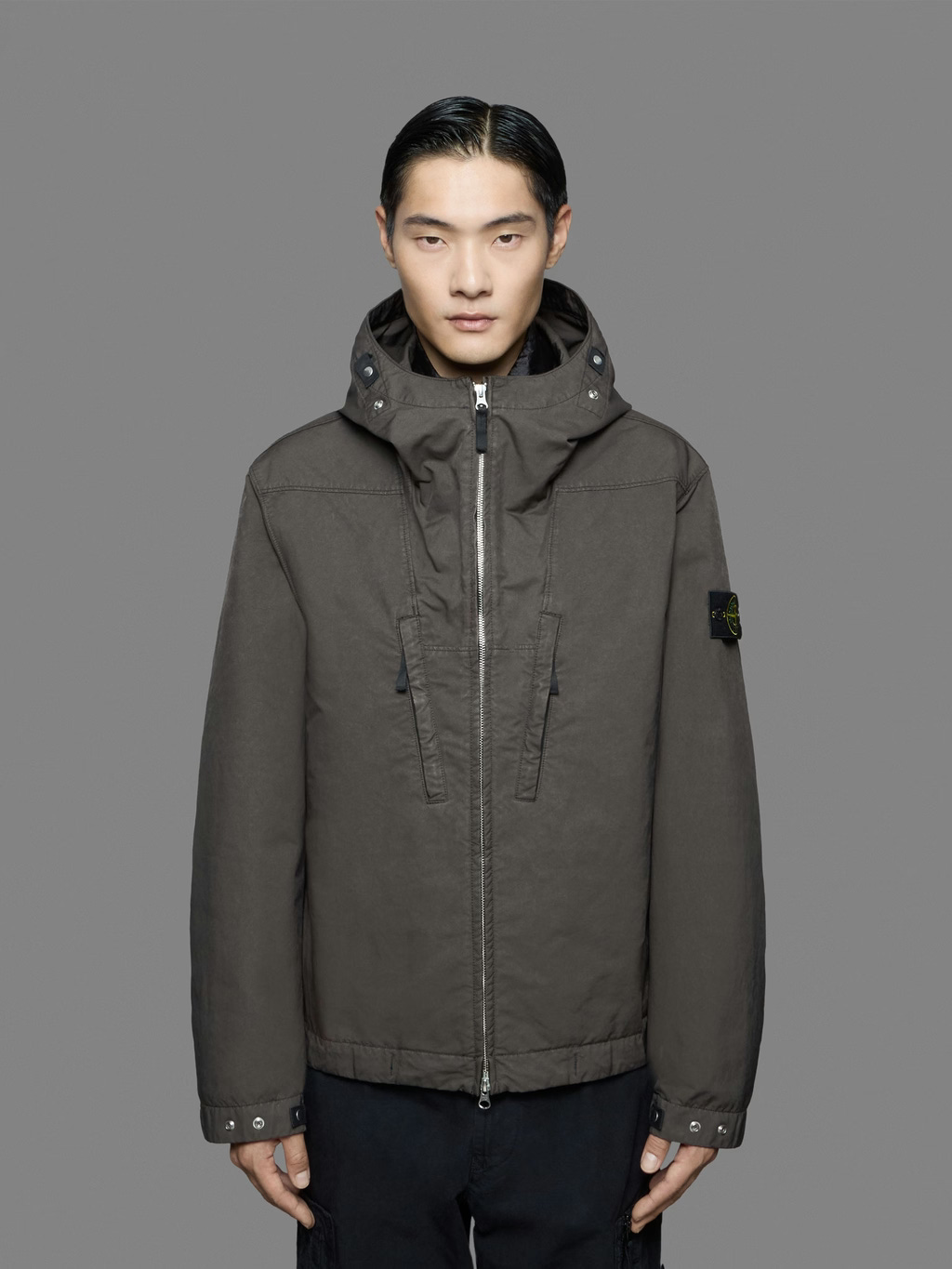
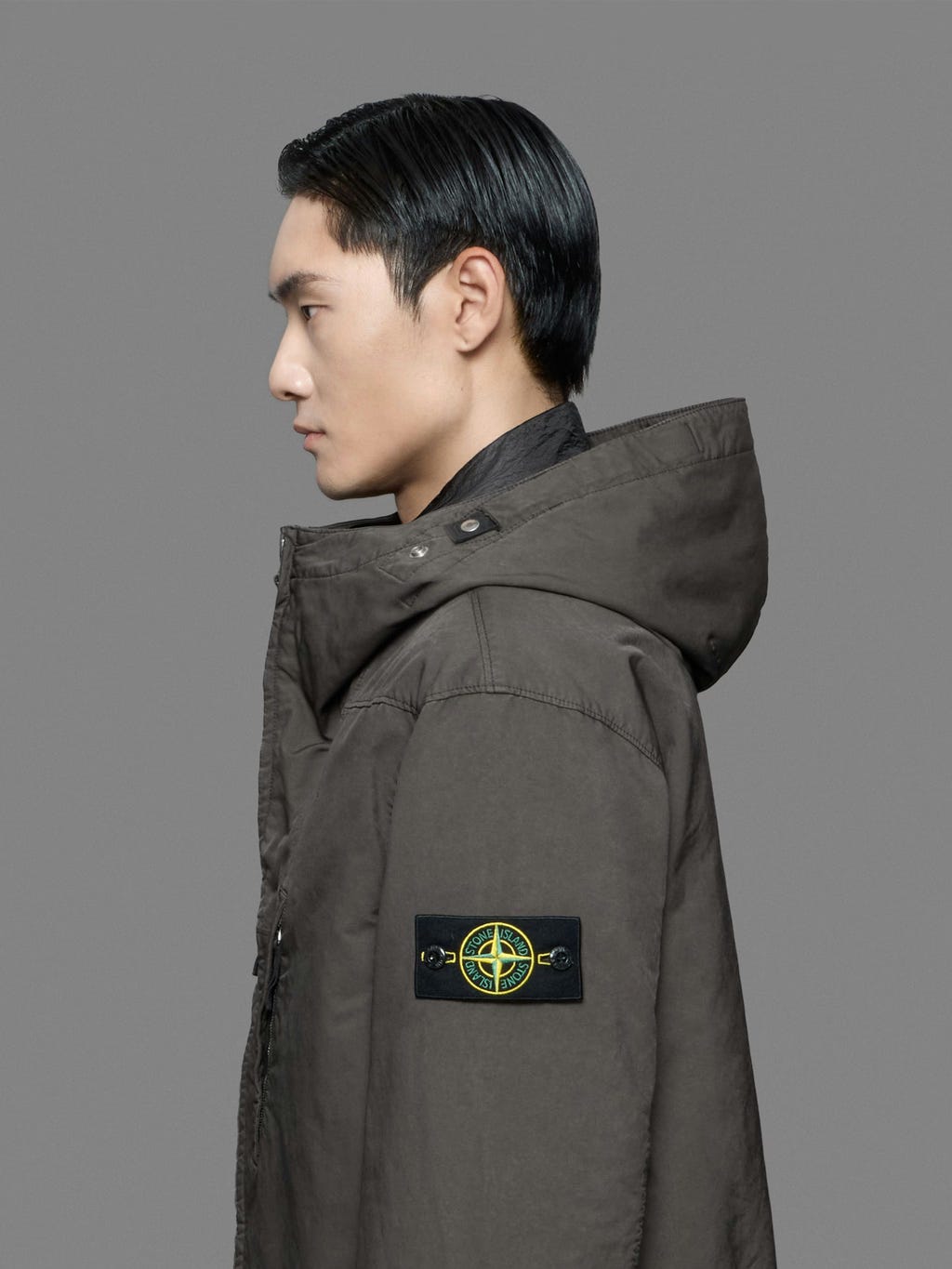
On the technical side: the fabric is a blend of Japanese polyester and polyamide, and under a microscope, you’ll notice the cross-section is shaped like a star.
But stepping back from that, I go back to the process again.
Most brands dye their product while it’s still a roll of fabric, and then they cut the pattern and sew it into clothing.
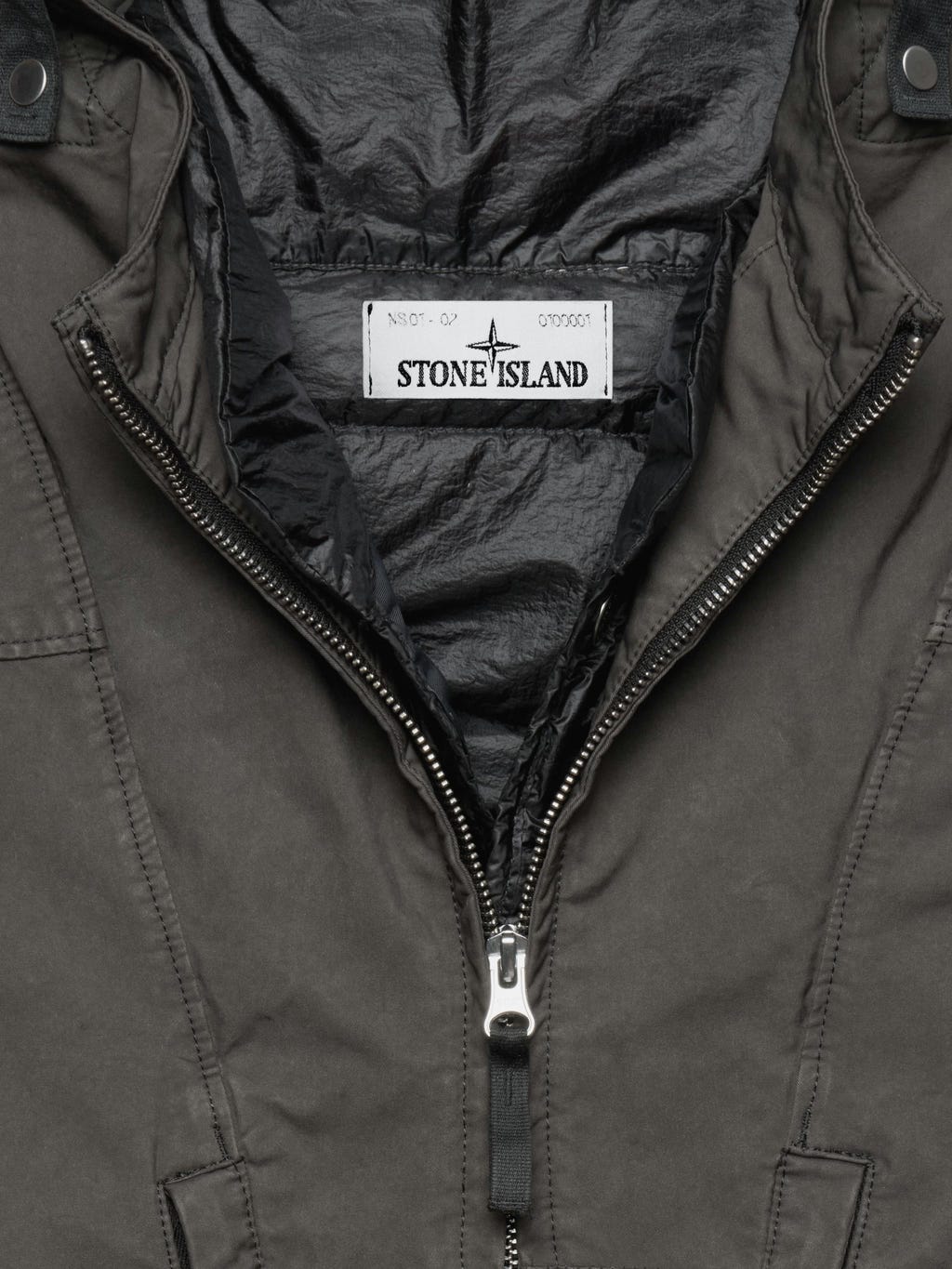
Stone Island does the opposite.
They fully sew all these jackets first, from seams and zips to pockets and hoods. THEN they put them in a dye bath and treat them with an anti-drop agent, a finish that helps them shed water and dirt.
The bath is pressurized and runs at 130°C. Mills usually dye polyester at those temperatures, but they don’t typically do it with finished garments. When it goes through the wash at that temperature, it goes through heat-induced compression.
The fabric shrinks and tightens, and its hand and body change completely. It comes out looking dense and almost canvas-like.
The jacket also has a detachable down liner for the colder months that you can remove when it warms up.
How they design jackets
But if the jacket shrinks in the bath, how do you end up with your size?
That’s where The Hub enters the chat.
In Ravarino, a small town in the province of Modena, where Stone Island was founded in 1982 (and still works today), they have a design facility called The Lab.
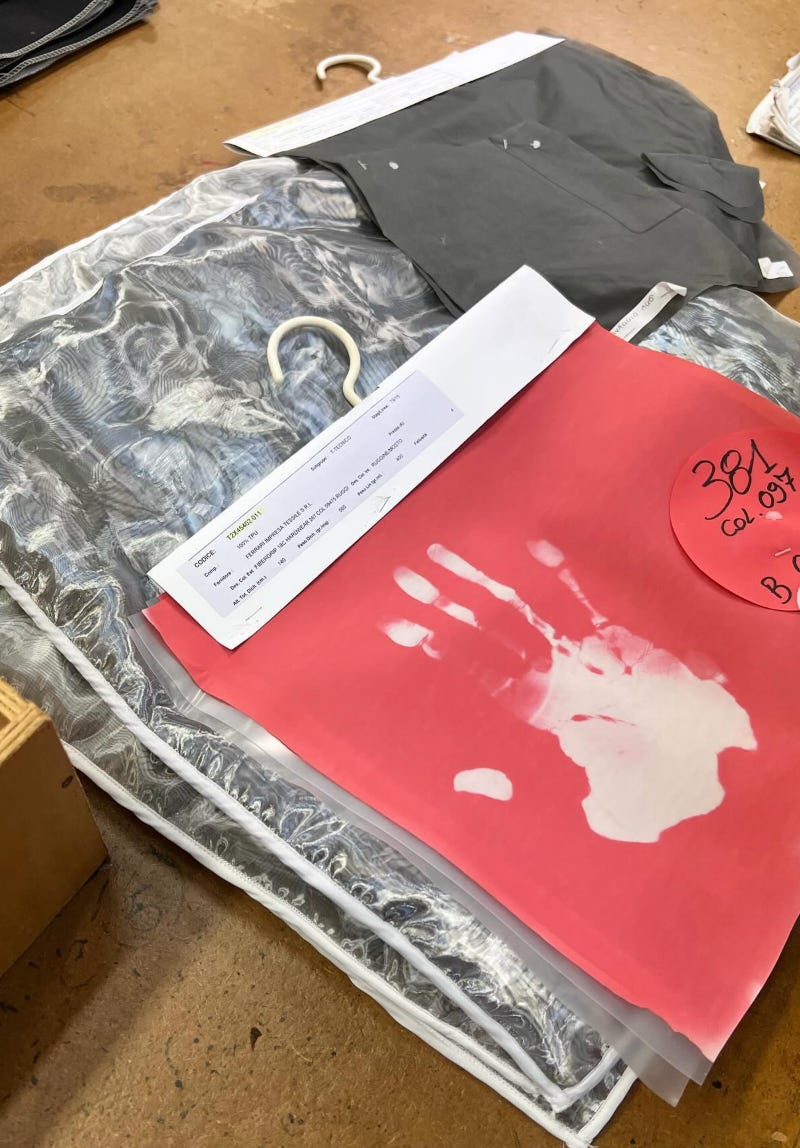
This lab has decades of research, archives, recipes, formulas, and so on.
It’s where they calculate how much each fabric will shrink during high-temperature garment dyeing, so pattern makers can account for it in advance. So they have exact measurements of how big to cut the jacket intentionally, before it shrinks later.
Pretty crazy.
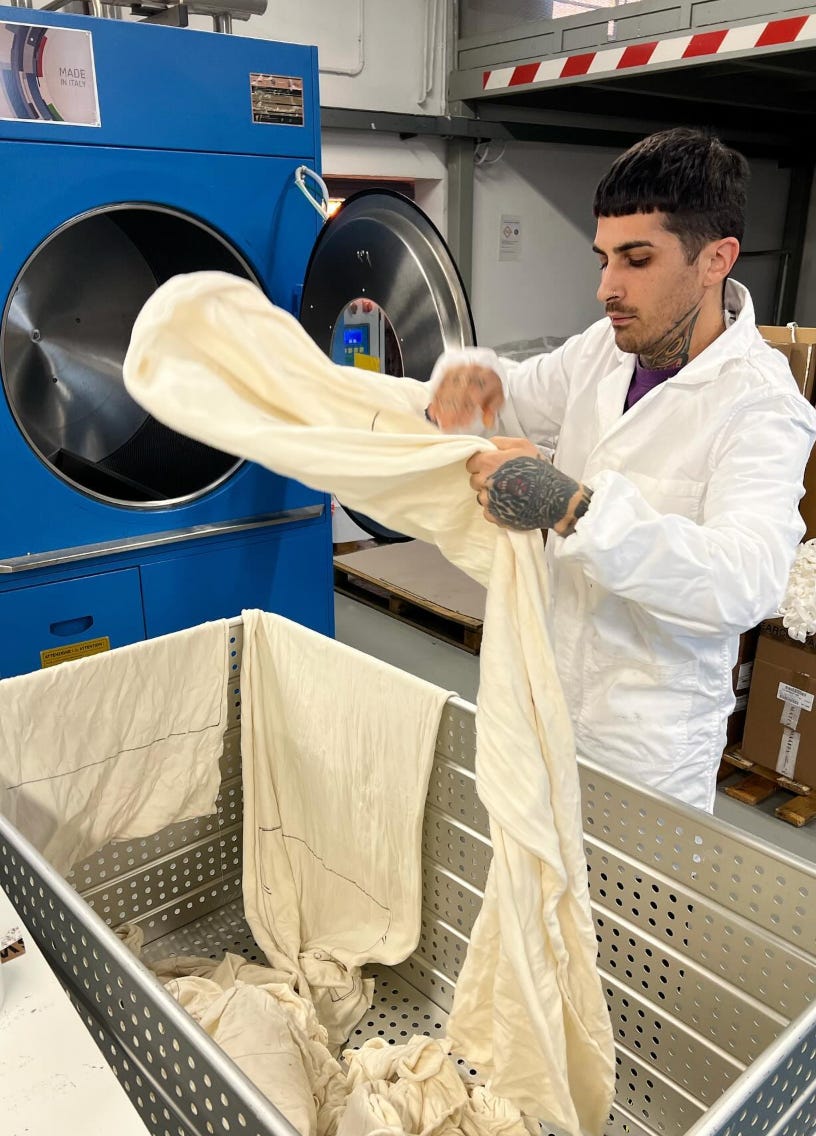
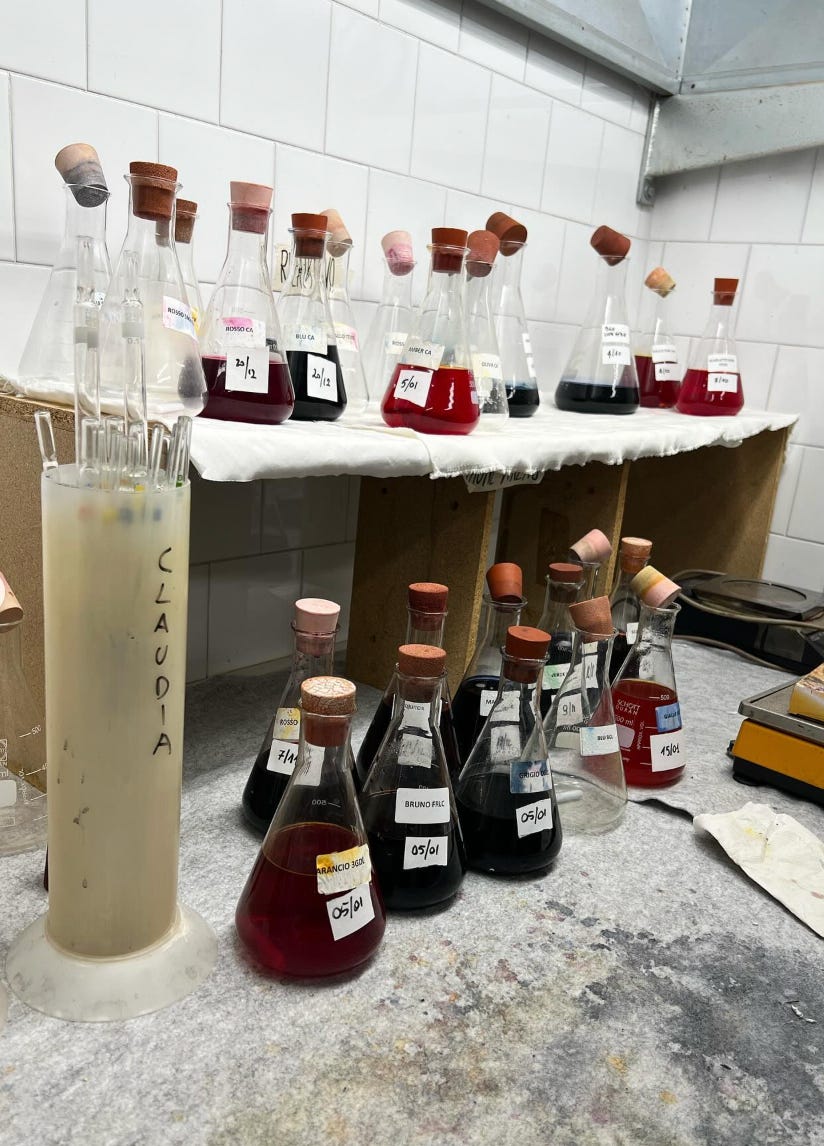
The design facility also has a color lab with an archive of more than 60,000 dye recipes for nylon, cotton, polyester, and blends. A staggering amount of research and attention to detail for a brand that’s only been around for a few decades.
Calculating shrinkage before the first cut shows care in understanding the product.
This is craftsmanship.
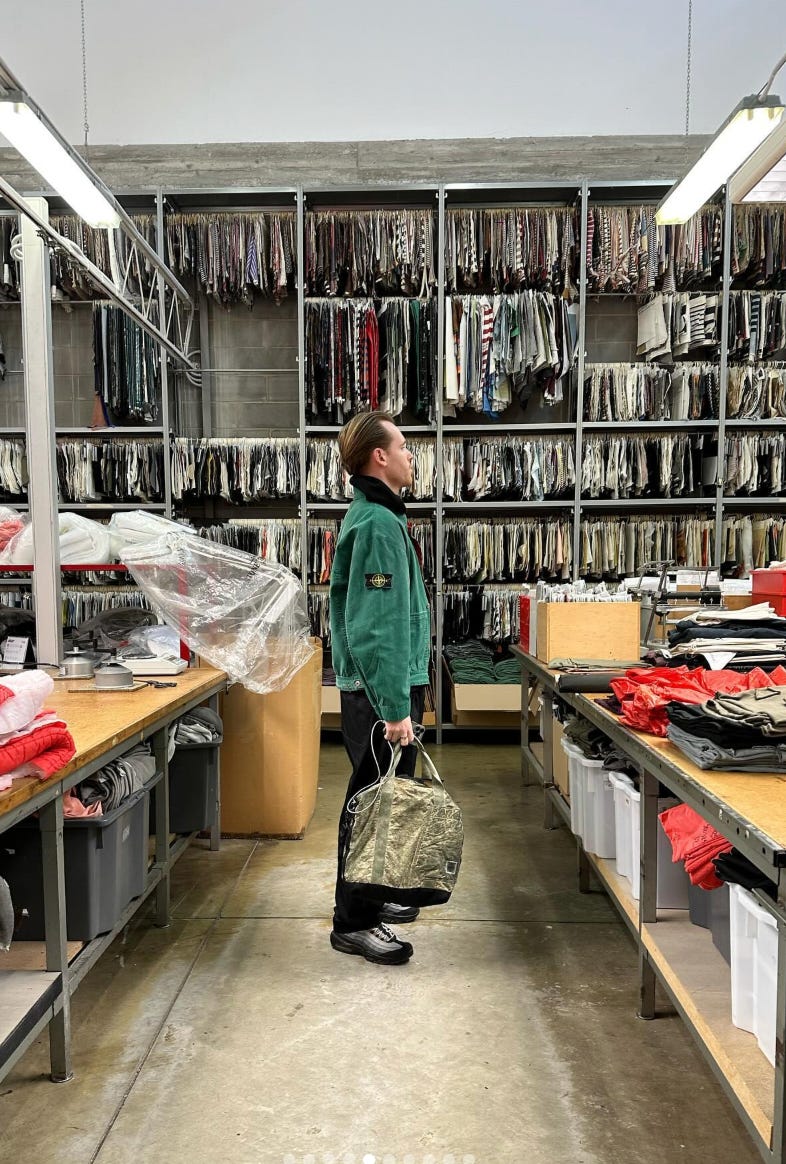
When the methods outlive the founder
Osti has been gone for two decades, but the brand has managed to maintain this level of quality in their product after all these years, which is rare to find in brands nowadays. But I guess that’s what you get when the brand was literally built as a fabric experiment.
After Osti left in 1995, British designer Paul Harvey took over the following year, and after Harvey left in 2008, Carlo Rivetti replaced the single-designer model with a multicultural team.
Experimentation has been constant despite the change, because it’s in Stone’s DNA.
The case for experimentation as luxury
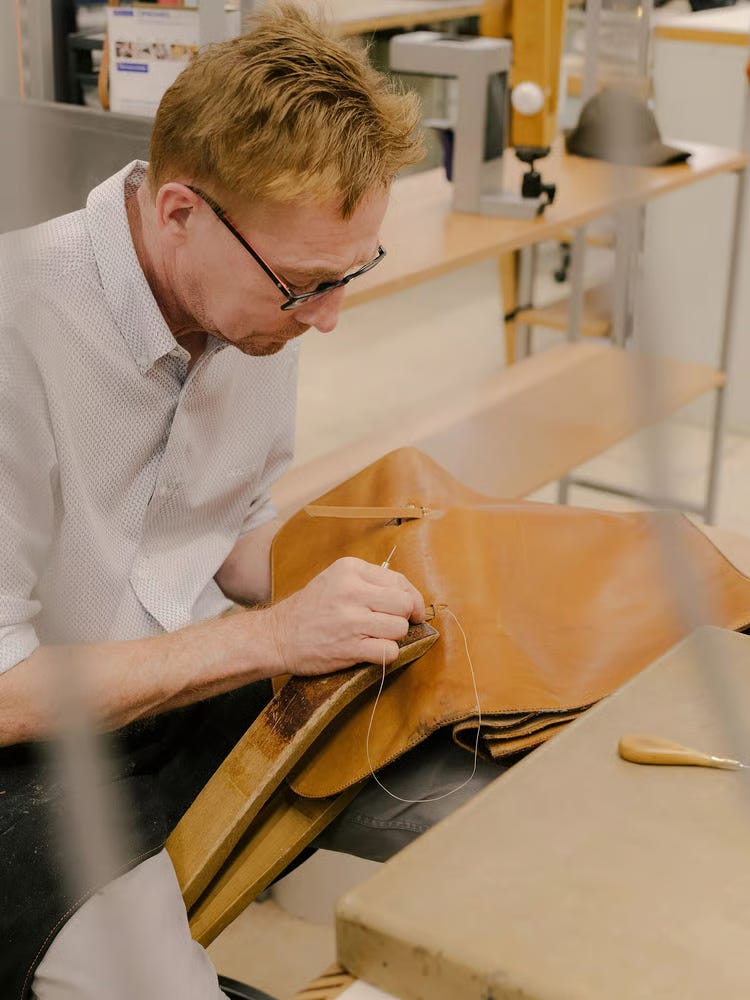
In a world that seems to reward fast, cheap production, the NO SEASONS collection is a good reminder that experimentation of product should be revered the same way that “handmade” product is.
Obviously, craftsmanship by hand is and will be important. But understanding your materials so well that you know what they’ll evolve into and what size they’ll shrink to is too.
And Stone Island deserves their flowers for this because they’ve held themselves to this standard for decades, and the result is some of the most interesting products imaginable.